
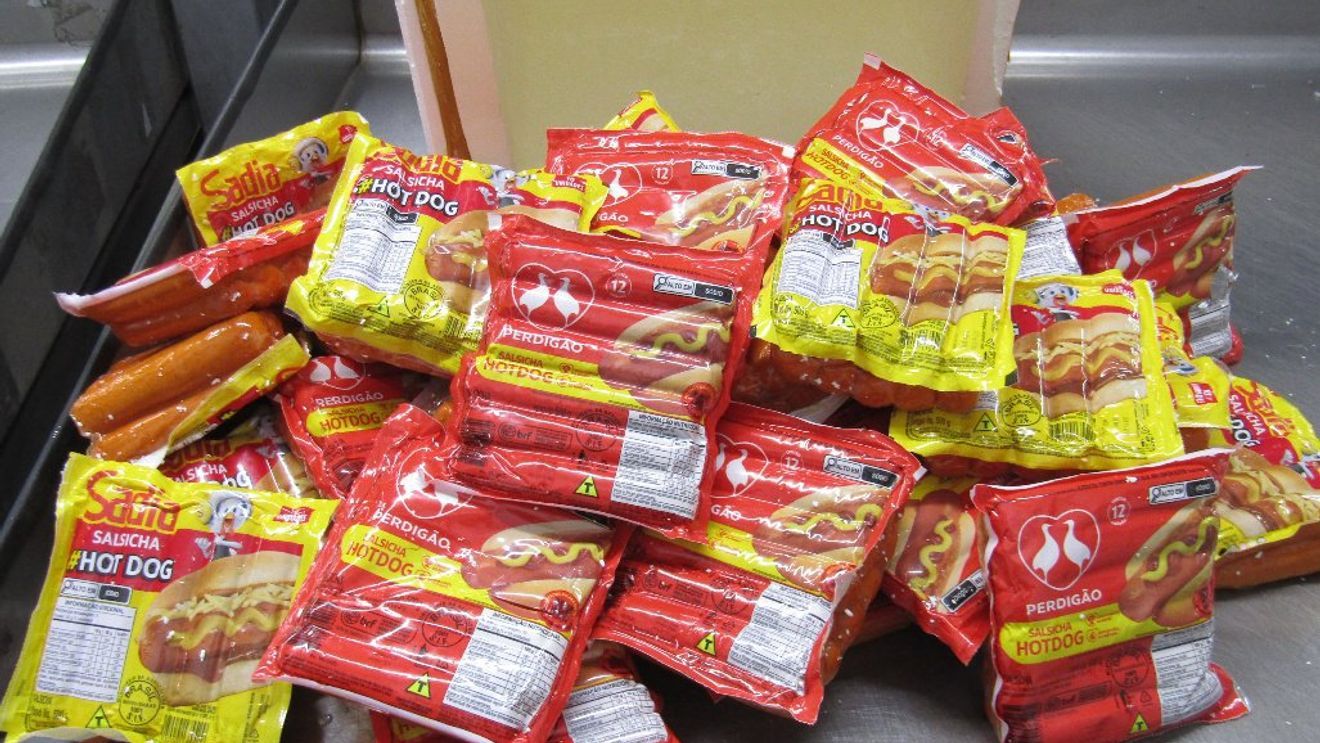
MIAMI, Fla. (CBS12) — In a case where the manifest didn’t “meat” expectations, Customs and Border Protection agriculture specialists intercepted more than 44 pounds of illegal meat inbound from Brazil at Miami International Airport.
The seizure was announced on Thursday by Florida’s Director of Field Operations, who praised the work of CBP agriculture specialists stationed at the airport.
“We relish the inspection process! In a wurst-case scenario we discover something that could hurt our natural resources. Frankly, @ifFlyMIA CBP ag specialists were happy to intercept 44+ POUNDS of prohibited meat inbound from Brazil.”
According to the agency, inspectors discovered the prohibited meat during a routine inspection after discrepancies were found between the shipment’s declared contents and what was actually inside.
Federal regulations tightly restrict certain meats from entering the United States because they can carry foreign animal diseases capable of harming livestock, wildlife, and the broader agricultural economy. CBP agriculture specialists are tasked with identifying and stopping those threats at ports of entry before they can spread.
Miami International Airport is one of the busiest international gateways in the country, particularly for travelers and cargo arriving from Latin America. Officials say that volume makes inspections especially critical, as undeclared or misdeclared agricultural products remain a common issue.
See also: Florida couple confirms identity of baby’s genetic parents in IVF mix-up case: Attorney
In this case, the meat was seized and removed from circulation, preventing it from reaching its intended destination. CBP did not release additional details about the type of meat or whether any fines or penalties were issued, but noted that enforcement actions can range from confiscation to monetary penalties depending on the circumstances.
CBP officials emphasize that inspections are designed first and foremost to protect the nation’s food supply and natural resources. Catching prohibited items, they say, is a sign the system is working.
Passengers and shippers entering the United States are required to declare all food and agricultural products. Failure to do so can result in delays, seizure of items, and potential fines.
The agency continues to remind travelers that even small quantities of undeclared meat can pose serious risks, urging anyone arriving from abroad to review import regulations before packing — or shipping — their goods.