
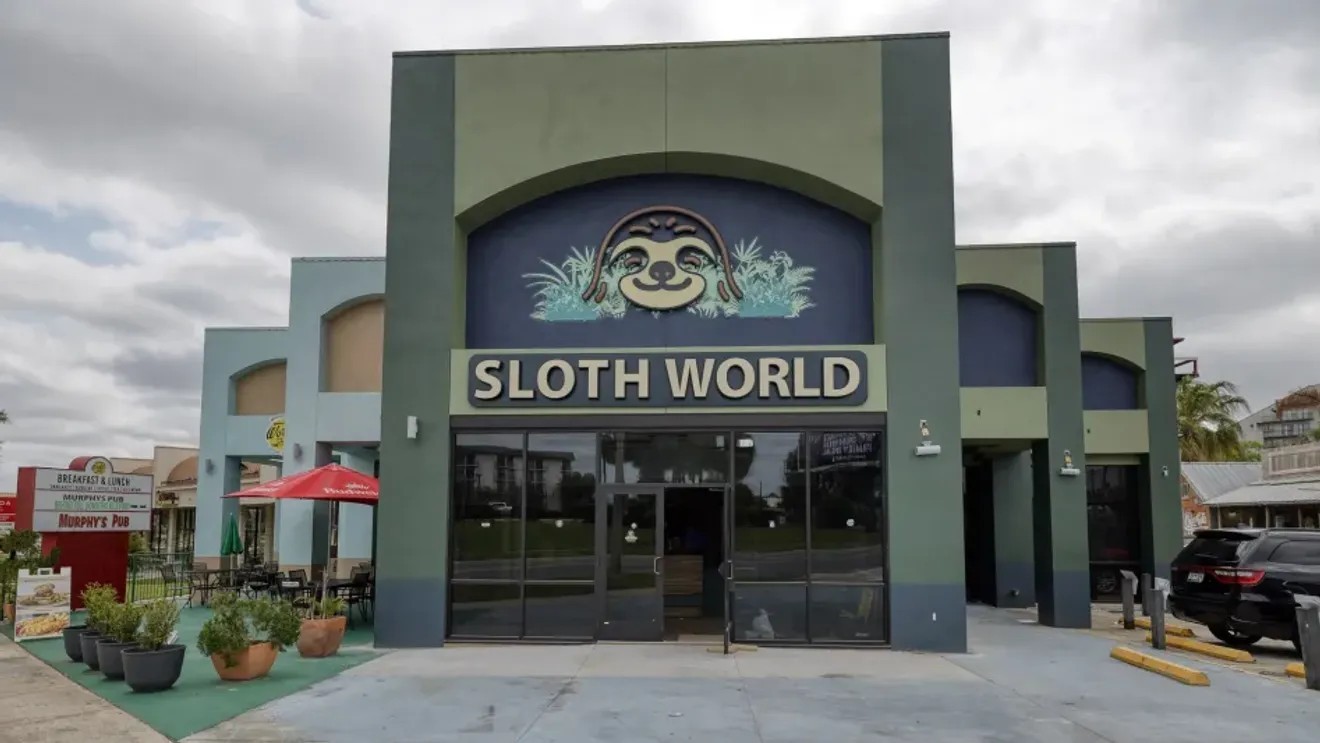
ORLANDO, Fla. (CBS12) — Before a single ticket was sold, dozens of sloths were dead, and state inspection records are now casting a harsh spotlight on the delayed Sloth World attraction in Orlando.
According to our news partners at the Orlando Sentinel, state wildlife documents on April 21 show that at least 31 sloths died after being imported to Florida for the planned International Drive attraction, raising renewed questions about animal welfare, oversight, and the growing market for exotic wildlife experiences. The animals were shipped from South America in two separate deliveries and were housed at an off-site warehouse while Sloth World prepared for its long-planned debut.
According to records from the Florida Fish and Wildlife Conservation Commission, the first shipment arrived from Guyana in December 2024. Twenty-one sloths were taken to a converted warehouse roughly a mile from Sloth World’s future location. Inspectors later found the building lacked permanent electricity and running water at the time the animals arrived. Temporary space heaters were used to warm the facility, but power failures left the sloths exposed to cold temperatures overnight. All 21 died within a short period, with reports later attributing their deaths to cold exposure, sometimes referred to as a “cold stun,” a condition to which sloths are particularly vulnerable.
A second shipment arrived from Peru in February 2025. State records say two sloths were dead upon arrival. The remaining eight were described as severely weakened and in poor health. None survived.
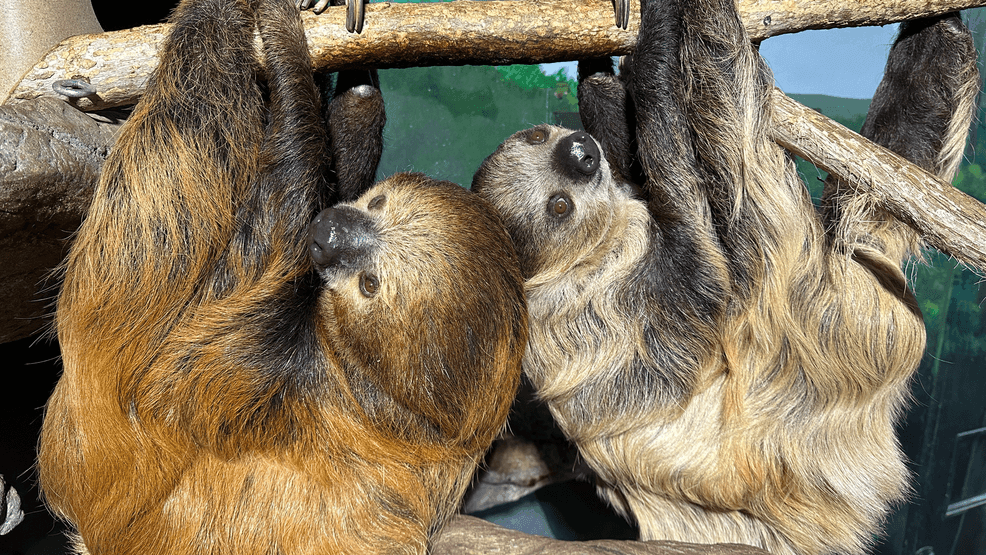 Southern two-ted sloths Vlad (left) and Athena in their habitat at the Small Mammal House. (Photo by Kara Ingraham/Smithsonian.)
The deaths came to wider public attention after an unannounced inspection conducted by state wildlife officers in August 2025 was disclosed this week through public records. During that visit, inspectors found six sloths still housed at the warehouse facility. Four of those animals were kept in enclosures that failed to meet minimum legal size requirements, according to the inspection report. The facility received a verbal warning but no fines or citations, with officials determining there was no evidence of intentional wrongdoing.
See also: Florida couple confirms identity of baby’s genetic parents in IVF mix-up case: Attorney
Sloth World was announced last year as a cage-free, guided walk-through attraction designed to immerse visitors in a rainforest setting alongside sloths. Promotional materials emphasized conservation, education, and ethical animal care. The attraction, billed as the world’s first “slotharium,” was expected to open earlier this year, but its debut has been repeatedly delayed. As of this week, the attraction has yet to open to the public.
Company representatives have largely remained silent since details of the inspection report became public. Calls and emails seeking comment were not returned, and statements disputing aspects of the state reports have not been accompanied by documentation addressing the conditions described by inspectors.
Animal welfare advocates say the records highlight broader concerns about commercial wildlife attractions and the importation of wild-caught animals. Sloths, experts note, are especially sensitive to stress, temperature changes, and disruptions to their diet. Even minor lapses in care during transport or housing can be fatal. Conservation groups have long warned that taking sloths from the wild for display purposes often results in high mortality rates, particularly during international transport and acclimation.
Regulatory questions continue to surround Sloth World’s operations. Federal law requires facilities that exhibit animals to the public to hold a license from the U.S. Department of Agriculture. As of late March, state and federal officials confirmed that Sloth World and a related import business did not yet hold federal exhibition licenses, though the attraction has indicated it intends to comply with all requirements before opening.
The case has also drawn attention to Florida’s system of wildlife oversight, which allows some facilities to operate with limited public visibility during pre-opening phases. Under current rules, operators are not always required to immediately report animal deaths, leaving gaps that may only surface during inspections or records requests.
For critics, the situation underscores a larger debate in Florida’s tourism industry, which continues to expand with exotic animal experiences marketed to millions of visitors each year. Supporters argue such attractions can educate the public and support conservation efforts, while opponents say they often place profit ahead of animal welfare.
As Sloth World remains closed and its future uncertain, the deaths documented in state reports have become a focal point in that debate, prompting calls for closer scrutiny of how wildlife attractions source, transport, and care for animals long before the public ever walks through the door.