
Fort Lauderdale Hits Pause: Public Backlash Forces City Hall Reckoning as Leadership Faces Mounting Pressure
Fort Lauderdale’s political temperature just broke.
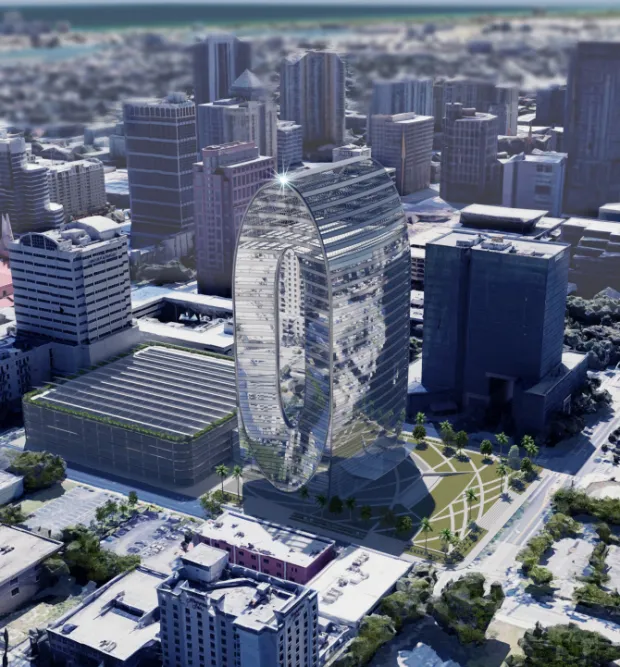
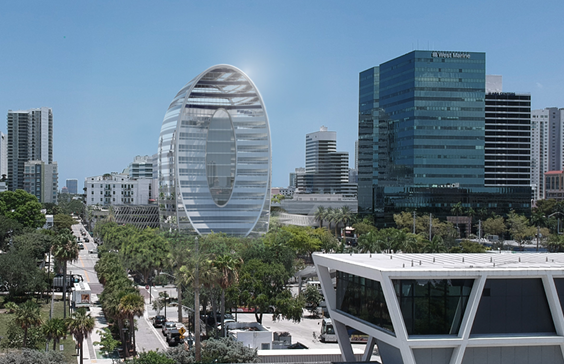
After weeks of escalating criticism, emotional public testimony, and growing financial scrutiny, the Fort Lauderdale City Commission made a pivotal move: it hit the brakes. In a unanimous vote, commissioners tabled the controversial $268 million City Hall deal an abrupt shift driven not by internal consensus, but by sustained public pressure and deepening concerns over the numbers behind the project.
What was once positioned as a defining legacy build has now become something else entirely, a symbol of distrust, financial anxiety, and a city government struggling to keep pace with its own growth.
“The new City Hall concept looks incredible, and under the right leadership I’d support it. But this commission has lost the public’s trust… Until there’s real accountability, a better loan, and new leadership, I can’t support it.” — Patrick Zarrelli
A Deal That Started Strong, Then Collapsed Under Scrutiny
The proposal:disaster.
The reality: a financing structure that raised immediate red flags.
At the center of the backlash was a controversial component of the interim agreement, an estimated $24 million developer loan at roughly 11% interest. For multiple commissioners, that number wasn’t just high, it was unacceptable. Even supporters of the project began to fracture.
Vice Mayor John Herbst, citing his Wall Street background, didn’t mince words, calling the deal “the worst financial arrangement” he had seen. Others echoed concern that once long term financing and operational costs were factored in, taxpayers could be locked into a commitment exceeding $700 million over 30 years. That figure changed the conversation overnight.
Public Pressure Forces a Political Reset
Leading into the vote, dozens of residents, civic leaders, and local stakeholders packed commission chambers, urging elected officials to slow down. They weren’t asking for tweaks, they were demanding a reset. And for once, the commission listened.
Instead of pushing forward, officials agreed to table the agreement and open the door to alternatives, including potential purchases of existing downtown properties like 101 Tower and 1 East Broward, options that could slash upfront costs dramatically. Even Dean Trantalis, a consistent advocate for new construction, conceded the need for more analysis.
The result is a rare moment in local government: a pause driven by public influence, not political momentum.
The Rodstrom Factor: Process Under Fire
The financial concerns are only part of the story. Local attorney John Rodstrom has emerged as one of the most detailed and persistent critics of the City Hall process, raising alarms not just about cost, but about how the deal came together in the first place.
His argument cuts deeper than aesthetics or budget: this wasn’t a city led vision. It was developer driven from the start. Rodstrom points to an unsolicited public private partnership proposal that shaped the entire project before the public was meaningfully engaged. By the time residents became aware, the framework was already in motion. That sequence matters. When developers define the solution before the city defines the problem, leverage shifts and so does accountability.
The City Manager Flashpoint
The controversy has now spilled into internal leadership dynamics. City Manager Rickelle Williams became a central figure after introducing lower cost alternatives, including an $86 million acquisition option for 101 Tower. What should have been routine due diligence instead triggered resistance and, behind the scenes, speculation about efforts to remove her.
Critics see a pattern: officials who challenge large scale development deals in Fort Lauderdale often face political blowback. Supporters argue Williams did exactly what taxpayers would expect, identify a path that could save hundreds of millions. That divide is now part of the broader crisis.
A Commission Caught Between Optics and Reality
This isn’t just about one building anymore.
The City Hall debate has collided with a wider set of unresolved issues:
– ongoing sewer failures and infrastructure strain
– aggressive downtown entertainment crackdowns after years of lax enforcement
– controversial redevelopment decisions, including Las Olas tree removal
– persistent concerns about developer influence in city planning
Individually, these are manageable policy challenges. Together, they form a narrative of a city moving dangerously fast, and not in alignment with its residents.
The Bigger Risk: Financial and Political
Fort Lauderdale is facing real economic pressure. Development is cooling. Budget uncertainty is growing. And potential changes to Florida’s property tax structure could further tighten revenue streams. Against that backdrop, locking into a long term, high interest public private deal raised a fundamental question. Can the city afford this, not just today, but over decades? Right now, the commission doesn’t have that answer. And that uncertainty is exactly why the deal stalled.
What Happens Next?
The City Hall project isn’t dead. But it’s no longer inevitable. Over the next several months, city staff will analyze alternative buildings, reassess financing structures, and return to the commission with new data. The next vote, expected in June, will be more than procedural. It will be a referendum on leadership, priorities, and whether Fort Lauderdale’s government is capable of recalibrating when the public pushes back.
For years, major decisions in Fort Lauderdale have moved forward with limited resistance. That era just ended. The commission didn’t pause this deal because it wanted to. It paused because it had to. And now, for the first time in a long time, the balance of power in this fight has shifted, away from the dais, and back toward the people watching it.