
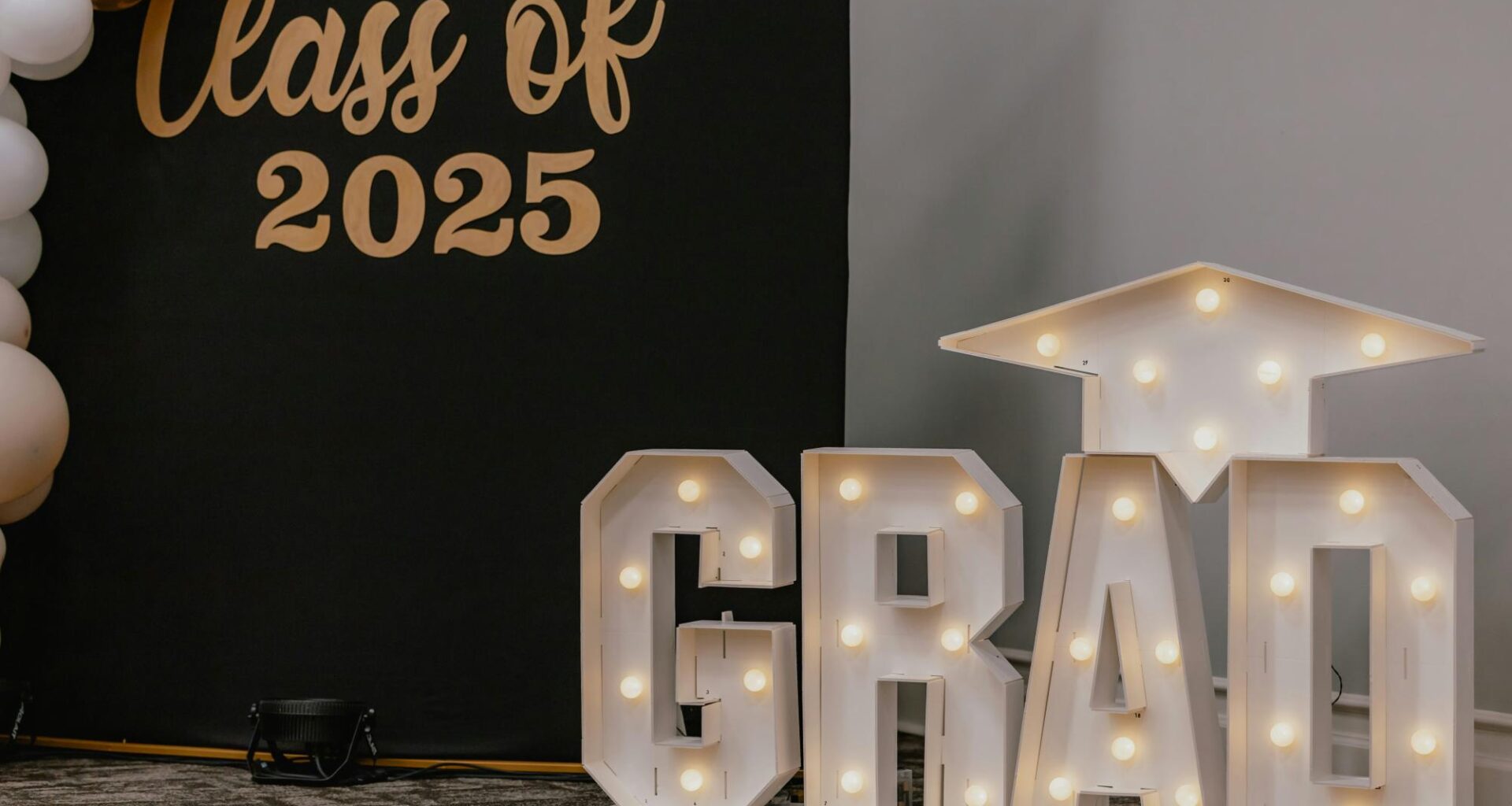
For many college seniors, the final weeks before graduation are supposed to feel like a celebration. After years of classes, internships and late nights, events meant to honor graduates should reflect that effort. Instead, FGCU’s grad fest felt less like a celebration and more like an obligation. A disappointing one at that.
Seniors were required to attend the event in order to pick up internship cords and stoles. These are physical symbols of the work they’ve put in over the years. That alone set the tone. Rather than being a voluntary celebration, grad fest became something students had to endure just to receive recognition they had already earned.
The setup of the event only made matters worse. Hosting the entire event in a single ballroom created an overcrowded, uncomfortable environment. The space was packed with students, tables and activities to the point that it felt humid and difficult to move around. What should have been an enjoyable atmosphere quickly turned into something overwhelming and frustrating.
Lines to pick up regalia stretched throughout the middle of the ballroom, effectively blocking access to other parts of the event. Students who were not in line struggled to navigate the room, while those waiting were stuck weaving through a chaotic layout. The placement of these lines disrupted the entire flow, cutting off access to tables, food and even the dance floor. Instead of encouraging students to engage with the event, it created congestion and made the experience feel disorganized.
Story continues below advertisement
Even the attempt at creating a celebratory atmosphere fell flat. The playlist, which leaned heavily on songs like the “Cupid Shuffle” and “Call Me Maybe,” felt more appropriate for a middle school dance in 2015 than a college graduation event. Seniors are not looking to relive their sixth-grade semi-formal. Music plays a significant role in setting the tone of an event, and in this case, it only added to the disconnect between what Grad Fest was supposed to be and what it actually felt like.
Interactions during the event further disrupted any sense of celebration. While waiting in line for a free headshot, I was approached by a recruiter on behalf of Enterprise Mobility. In the middle of an already crowded and noisy environment, he attempted to pitch job opportunities by shouting over the music. This completely interrupted any attempt at conversation and ultimately drove me to leave the line altogether. What was marketed as a fun, prom-like experience instead became another moment of pressure and discomfort.
The event also raised questions about who it was really for. Despite being framed as a celebration for graduating seniors, it was not exclusive to them. Underclassmen were present, which blurred the purpose of the event. Anyone could have attended. If Grad Fest is meant to celebrate graduates, then it should feel tailored to them. Instead, it came across as a general campus event that seniors were required to attend simply to collect their regalia.
At its core, the issue is not just about overcrowding or music choices. It is about how the event made students feel. After years of hard work, seniors deserve to feel recognized and celebrated. Instead, many felt rushed, uncomfortable and overlooked. The experience did not reflect the significance of reaching graduation, which made it all the more disappointing.
There were straightforward ways this could have been improved. Hosting the event outdoors or in a larger venue would have eased the overcrowding and heat. Separating regalia pickup from the celebration would have allowed students to choose whether to attend, rather than making it feel mandatory.
Even small adjustments to the layout could have made a noticeable difference. Instead, it felt as though boosting attendance took priority over student experience. The university is unlikely to invest in events that students would not attend voluntarily, and the solution here is to tie access to regalia to scanning into the event.
Grad fest had the potential to be a meaningful sendoff for FGCU seniors. Instead, it felt like a poorly organized requirement that fell short of what students deserved. When an event meant to celebrate achievement leaves students feeling more frustrated than appreciated, it misses its purpose entirely.