
Before Florida’s legislative session began in January, corporations, political committees and lobbyists showered the accounts of some of the state’s most influential lawmakers with a fresh $14 million in a single day.
It has been 16 years since the Supreme Court’s Citizens United decision flung open the door to unlimited corporate money. Its corrosive effects are still felt everywhere — and Tallahassee is a prime example.
That decision diluted the power of one citizen, one vote. People rightly understand that a single vote and a contribution of $100 is welcome, but a $50,000 donation that could help pay for glossy mailers to reach thousands of voters — that’s gold.
As a result, cynicism has replaced trust. Candidates and elected officials routinely insult the intelligence of voters by claiming that large donors don’t influence them. Yeah, right.
Orlando-based journalist Jason Garcia reported that gun manufacturer Sig Sauer and property insurer Slide gave out nearly $500,000 the day before lawmakers got down to work (contributions are forbidden during the session).
Both companies would benefit from state protection. Sig Sauer faces a class action suit over claims that its P320 pistol misfires. Slide drew attention for moving money through affiliates, a fiscal sleight of hand that could enable home insurers to reap excess profits.
Companies don’t just donate money. They write laws, too.
Garcia showed how Sig Sauer lobbyists drafted legislation that could help shield it from lawsuits. Rep. Wyman Duggan, a Jacksonville Republican who previously received $50,000 from Sig Sauer, cosponsored. The gunmaker’s water-carrier in the Senate was Republican Jay Trumbull of Panama City, who Garcia reported accepted $50,000 from Sig Sauer through a fundraising committee. Both bills failed.
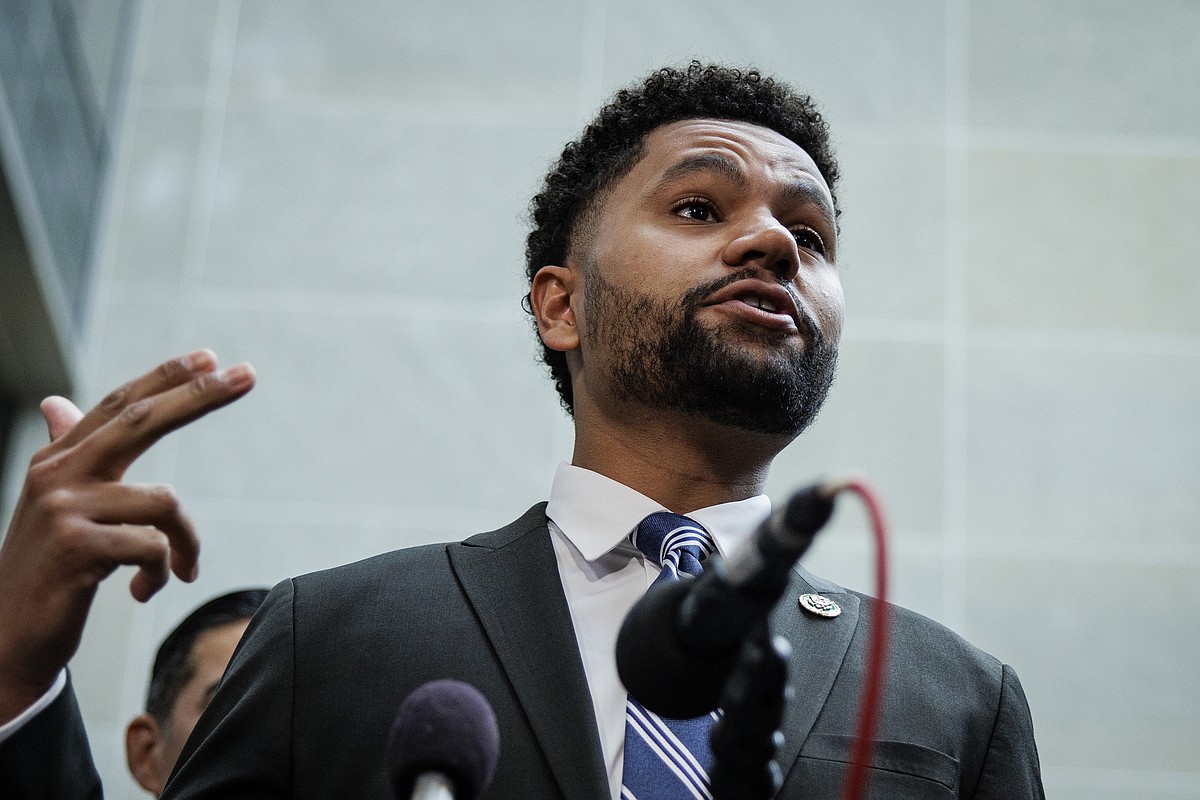
There are bright spots. Small donations made up almost half of U.S. Rep. Maxwell Frost’s 2023-2024 contributions, as the Orlando Democrat rose to national fame as the youngest person to ever be elected to Congress.
Newly elected Democratic state Rep. Emily Gregory of Jupiter just won a special election without corporate money, with hundreds of $25 checks.
But those are exceptions, and their wins don’t offset the widespread sense that nothing short of a new Supreme Court ruling or amending the U.S. Constitution can rein in big money.
The state of Montana is betting it can, with an oddly simple yet startlingly robust solution.
Only states can incorporate businesses, and only states can define what a corporation’s powers are. If voters approve, Montana would redefine corporations to bar most direct or indirect political spending.
If passed, the Montana plan would trigger a barrage of lawsuits from PACs and businesses. The Supreme Court would eventually be asked to bless this end run around its previous decisions — not just Citizens United, but related rulings from 1976 and 2010.
And it’s a coin toss as to whether five justices would heed former Justice Byron White, who advised that, “The State need not permit its own creation to consume it.”
What’s known as The Montana Plan is being taken seriously by legal scholars and national political figures fed up with the corrupting influence of money. It’s also being taken seriously by business leaders, many nearly in hysterics that the open-air market for elected officials might close.
Montana is a test case, but Florida has specifically been named as well-positioned to follow suit. If the hidden money and firehose of lies behind Florida’s failed 2024 ballot initiatives on reproductive freedom and marijuana are an indication, big business and politicians dependent on their cash would move heaven and earth to keep it off the ballot.
That’s because clamping down on corporate cash enjoys widespread support among voters but not among wealthy business interests and the politicians they buy.
Without big donations, political candidates would have to solicit money from living, breathing voters.
They might have to listen to what people think about data centers, utility rates and how to keep their areas livable — as it should be.
The founders never intended for money to be the loudest voice in the room.