
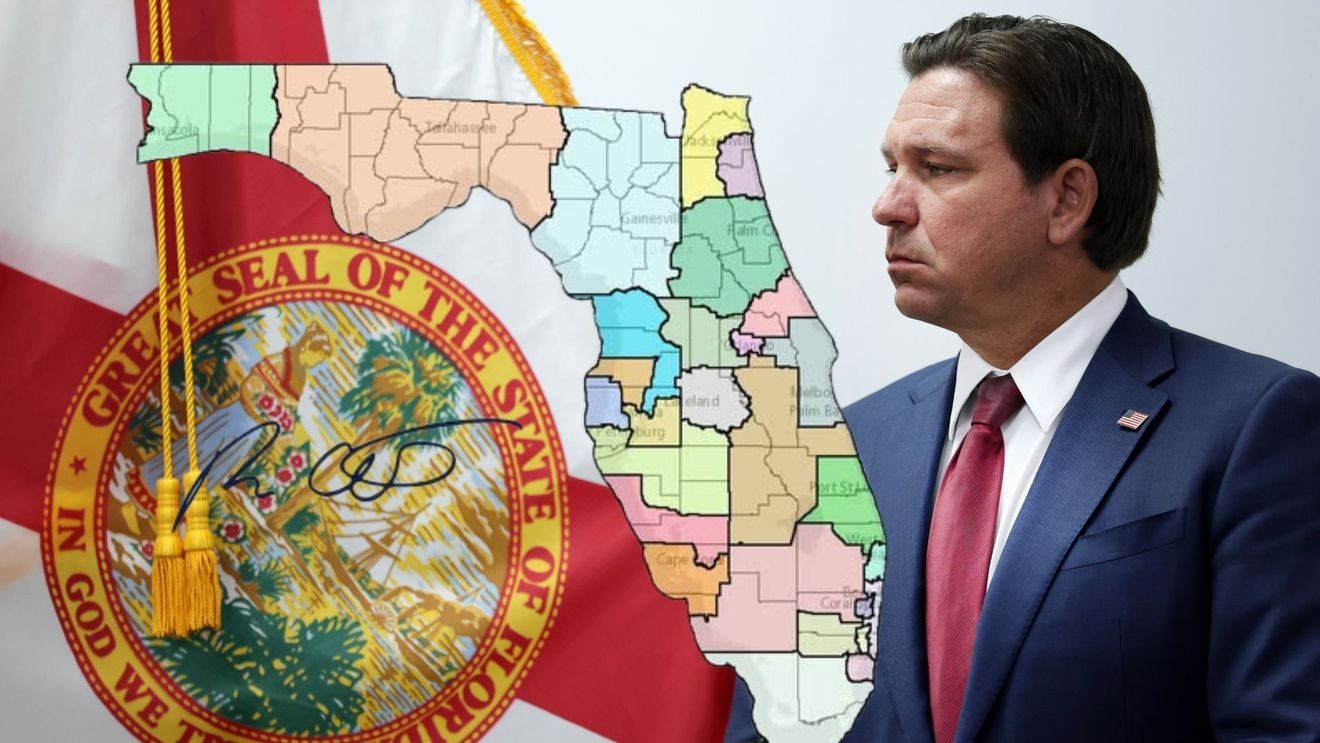
WEST PALM BEACH, Fla. (CBS12) — Governor Ron DeSantis signed a new congressional redistricting law on Monday that redraws Florida’s political boundaries ahead of the 2026 elections – a move that is already reshaping the debate over representation in South Florida and placing Congressional District 20‘s future in serious doubt.
By signing the bill, DeSantis made Florida’s new congressional map official state law. Under that map, District 20 — a historically Black, Democratic-leaning seat spanning parts of Palm Beach and Broward counties — is eliminated, with its voters absorbed into surrounding districts.
What the signature does not do, however, is instantly settle the issue. While the law now assumes District 20 will no longer exist in future elections, legal challenges are widely expected, and courts could still block or modify the map before it is used.
In short, District 20 is legally slated to disappear, but its final fate has not yet been decided.
A rare mid-decade redraw
Florida typically redraws congressional maps once every 10 years, following the U.S. Census. This redistricting, however, comes just four years after lawmakers approved new lines in 2022.
Republican leaders pushed the bill through during a short special session, arguing that recent court rulings — including decisions affecting how race can be considered in redistricting — justified revisiting the maps. Democrats criticized the move as unnecessary and politically motivated.
If the new map stands, Republicans are projected to be favored in 24 of Florida’s 28 congressional seats, a notable increase from the current map.
Why District 20 is at the center of the fight
District 20 has long been viewed as a cornerstone of minority representation in South Florida. Drawn to comply with the federal Voting Rights Act, it has been represented for decades by Black members of Congress, including the late Rep. Alcee Hastings.
Civil rights groups say eliminating the district weakens the political voice of Black and Hispanic voters in Palm Beach County and surrounding areas.
The NAACP and other advocacy organizations have condemned the new map, calling it a step backward for voting rights. They argue the changes conflict with Florida’s Fair Districts amendments, which voters approved to limit gerrymandering and protect minority representation.
State leaders counter that recent court rulings have altered how those protections are applied, and they maintain the new map is constitutional.
See also: Saved from a lab, learning to be dogs; Beagles arrive at Big Dog Ranch Rescue
Already vacant — now potentially gone
The timing has only intensified the controversy. District 20 is currently without a voting representative following the resignation of Rep. Sheila Cherfilus-McCormick in April.
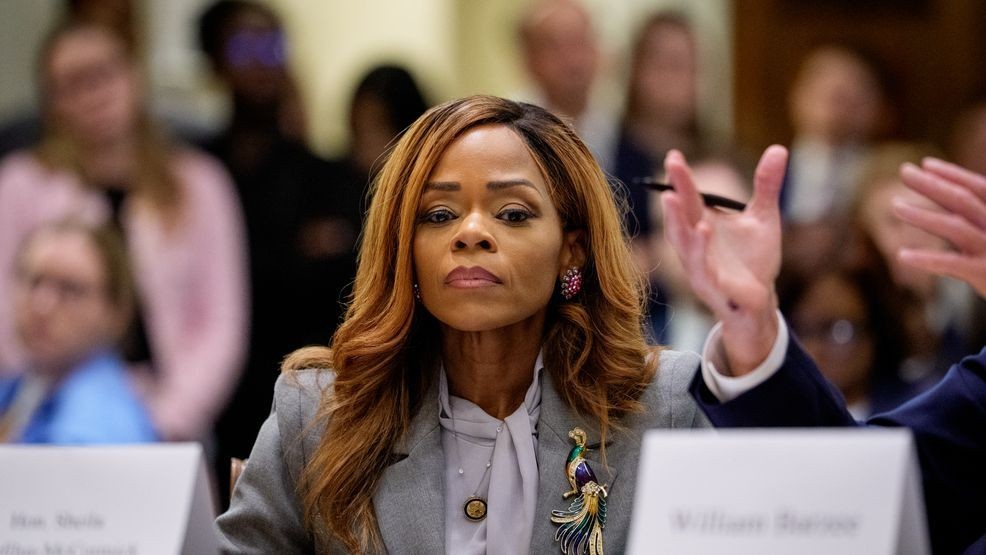
WASHINGTON, DC – MARCH 26: U.S. Rep. Sheila Cherfilus-McCormick (D-FLA) appears for a hearing of the House Ethics Committee on Capitol Hill on March 26, 2026 in Washington, DC. Cherfilus-McCormick is accused of stealing $5 million from FEMA and using part of it to fund her first successful run for Congress in 2021. (Photo by Andrew Harnik/Getty Images)
Since her departure, residents have lacked a voice in the U.S. House. While district staff continue to help constituents navigate federal agencies, no one is casting votes on legislation, budgets, or disaster funding.
Normally, a vacancy would trigger a special election. But Governor DeSantis has not announced whether one will be called.
That’s because the newly signed map assumes District 20 will not exist going forward. Calling a special election for a district slated for elimination raises logistical and financial questions, with state officials estimating such an election could cost taxpayers more than $1 million.
As a result, District 20 residents are caught in an unusual limbo — currently unrepresented and unsure whether they will ever vote again in the district where they live now.
What happens next
Legal challenges are expected from Democrats and voting-rights groups, and the courts could pause or strike down the new map before it takes effect for elections.
Until that happens:
District 20 still exists on paper, but has no voting member.The new law eliminates the district for future elections unless courts intervene.The governor’s decision on a special election remains unclear.
For now, the future of District 20 — and the communities it has represented for decades — rests with the courts. The outcome could shape not just South Florida’s political landscape, but Florida’s role in the balance of power in Congress.