
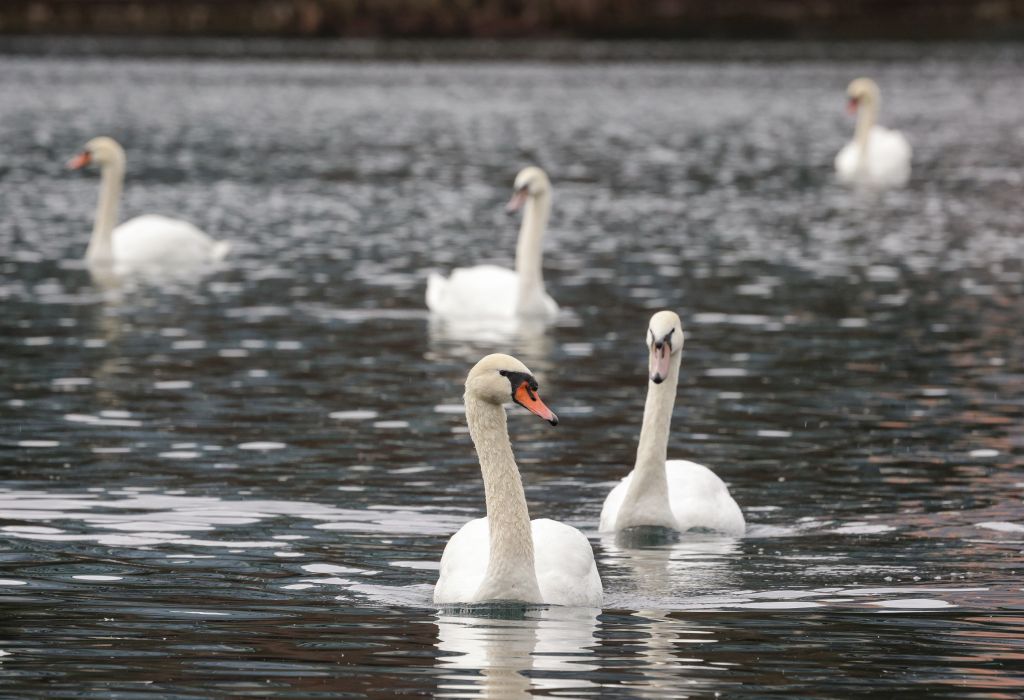
For more than a century, the swans at Lake Eola have been among the most iconic symbols of the city of Orlando.
But on Friday, officials announced the city has decided to move its famous swan flock to new homes, putting a “pause” on the program that has kept dozens of birds in the city’s signature park for decades.
The decision was made this week as the city completed a “comprehensive review” of the swan program following a deadly outbreak of avian flu earlier this year, which led to criticisms from some of the volunteer caretakers that the flock wasn’t adequately cared for.
In a statement, Mayor Buddy Dyer said the decision was made for the well-being of the swans.
“That is why, after consulting closely with state and federal partners, including the Florida Fish and Wildlife Conservation Commission, we have decided to pause the program and work with partners in animal care to rehome them,” the statement reads. “I know this is hard for our community, but also our staff and volunteers who have worked diligently in taking care of them over the years to hear.”
Lake Eola is visited by millions annually and is home to an eclectic mix of fowl. The jewel of the park is the vast flock of swans, which had reached numbers as high as 80 and included nearly every variety found all over the world. But the 30 or so deaths earlier this year due to bird flu has whittled the number of swans down to about 44, a city official said.
As the swans are removed from the water and given new homes in the coming months – beginning with recently hatched cygnets and their parents, as well as those nesting eggs – the public may still see some number of them there.
During the annual swan roundup, vets have also found a few wild swans that had flown in and settled on the lake, which would still be allowed to stay.
The process of finding new homes for the birds is expected to begin soon, and officials hope for it to be completed by early fall.
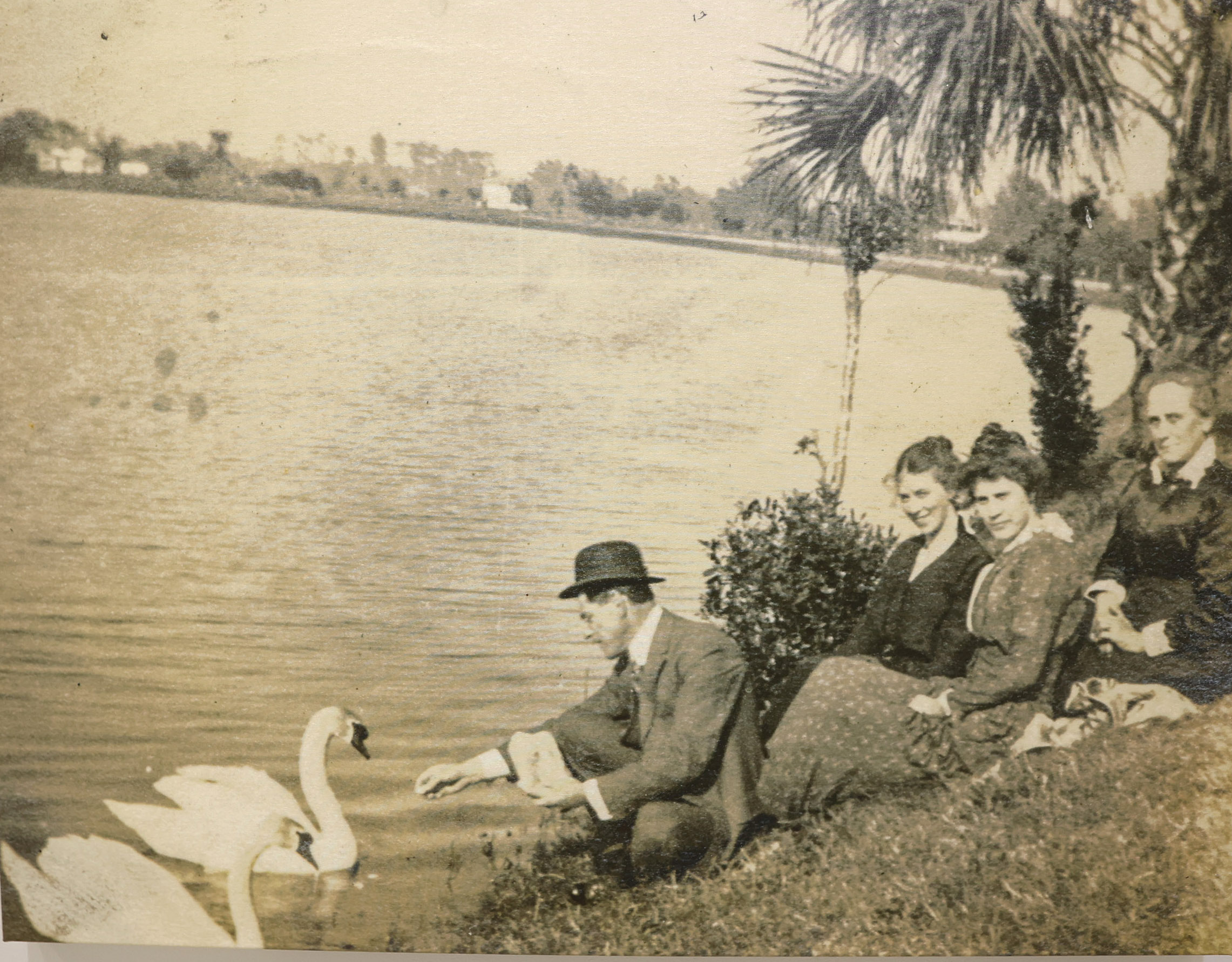
People feed swans on Lake Eola in 1910. (City of Orlando)
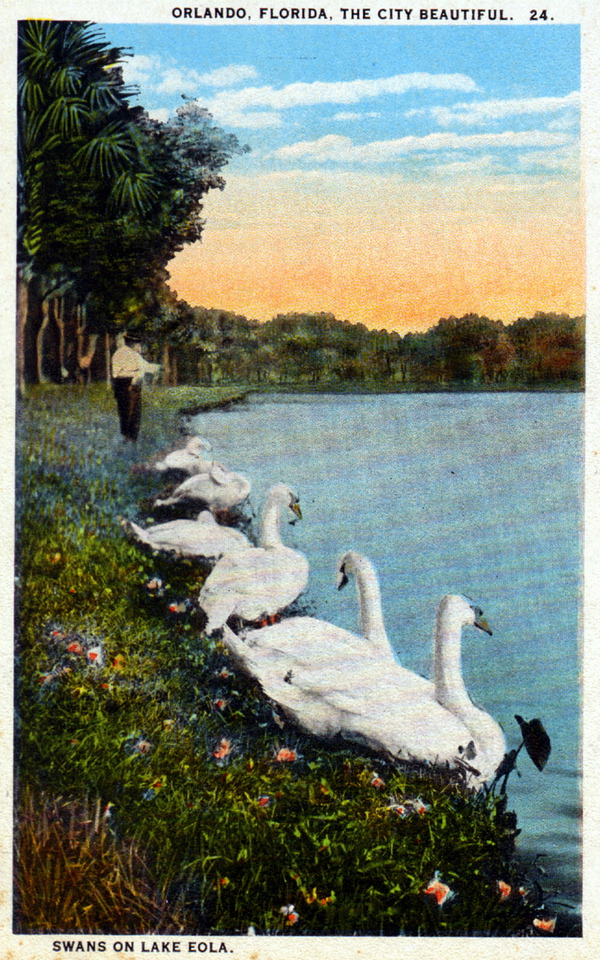
A 1923 postcard shows swans swimming in Orlando’s Lake Eola. (State Archives of Florida, Florida Memory)
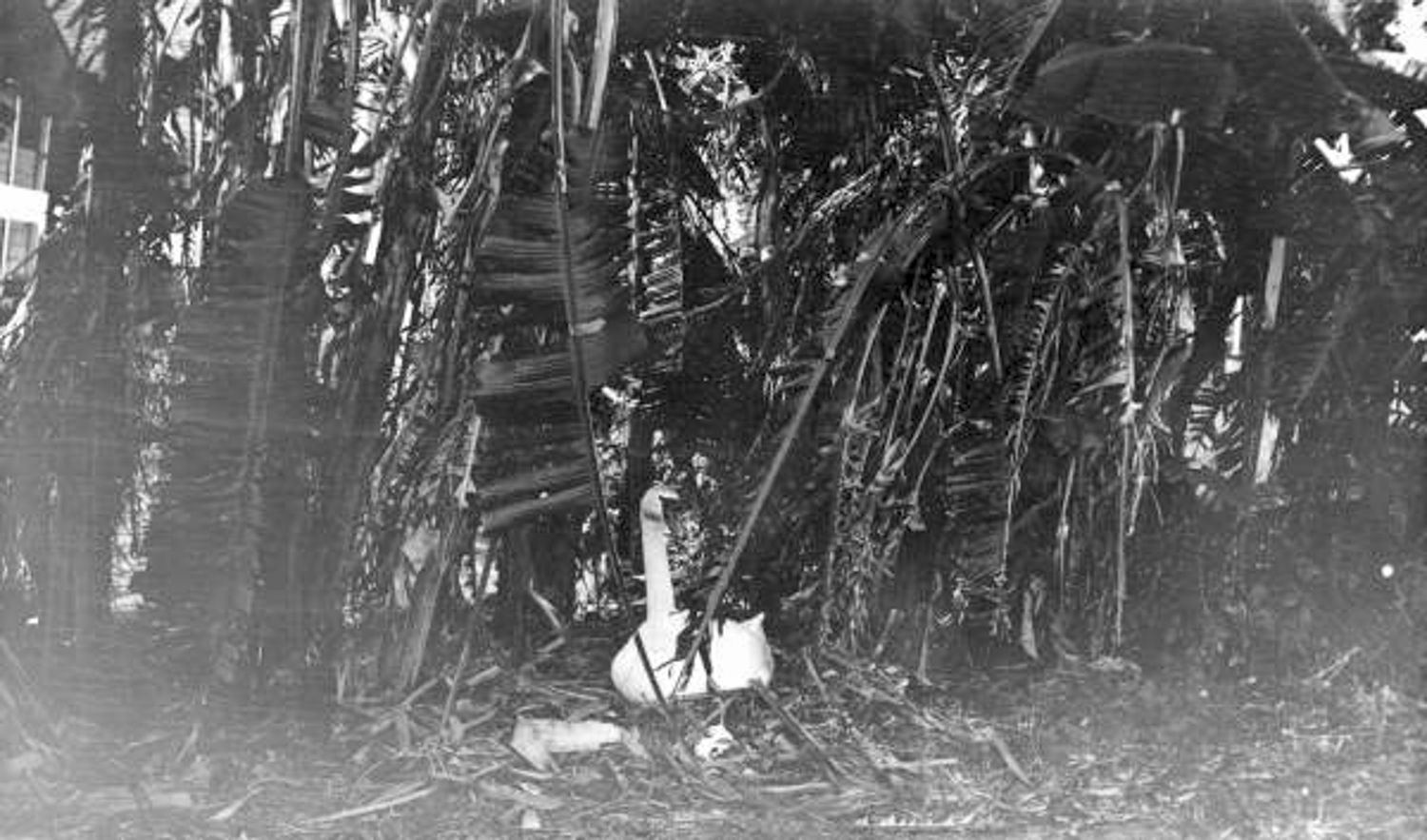
A swan sits on a nest on the shore of Lake Eola in a photo dated 1915. (State Archives of Florida, Florida Memory)
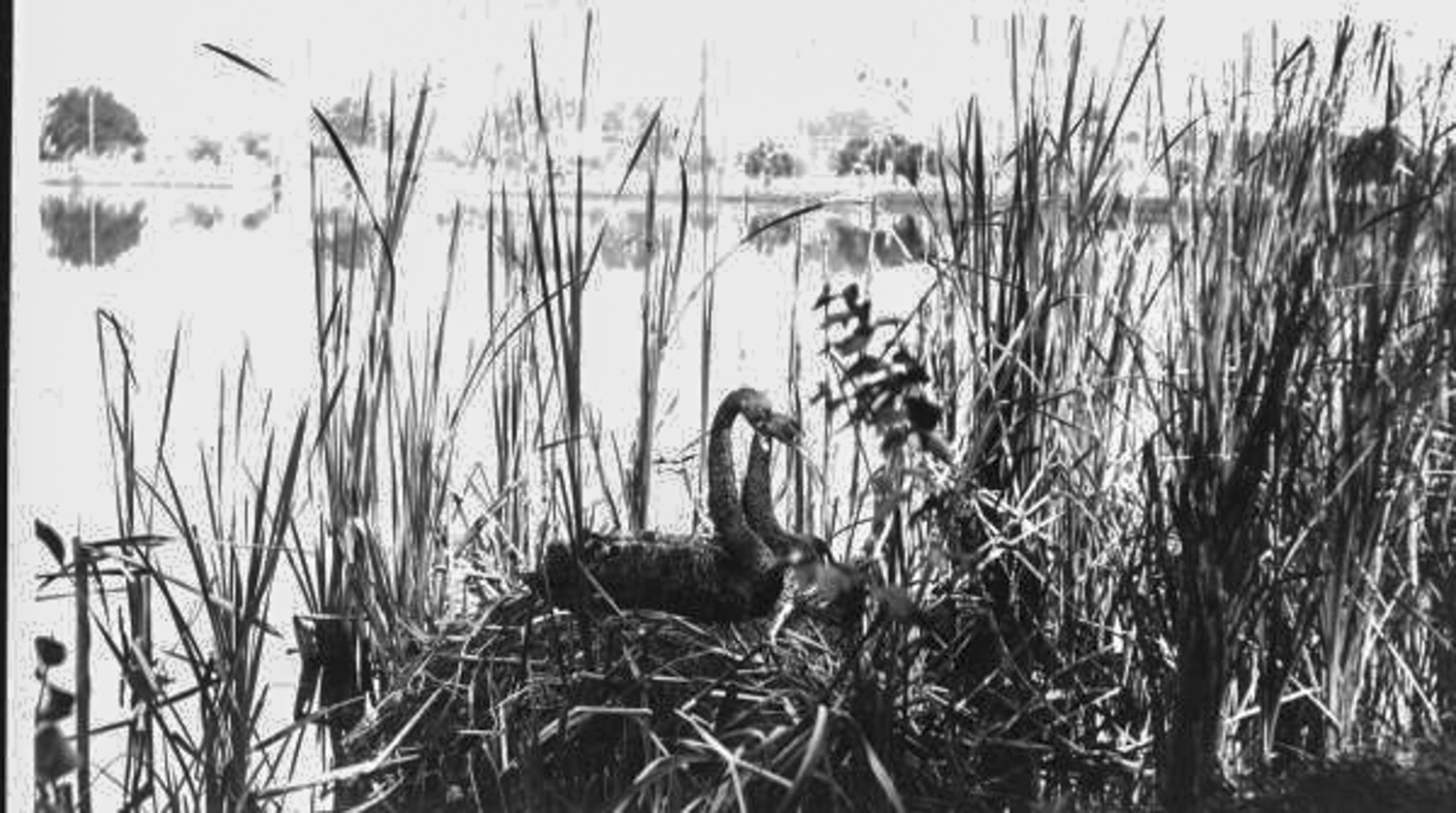
A swan sits on a nest on the shore of Lake Eola in the early 1900s. (State Archives of Florida, Florida Memory)
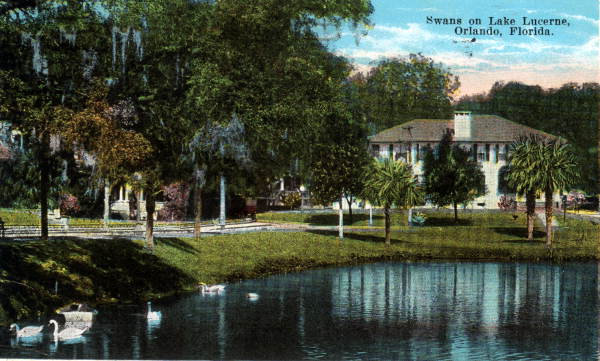
A postcard (circa 1900) shows swans swimming in Orlando’s Lake Eola. (State Archives of Florida, Florida Memory)
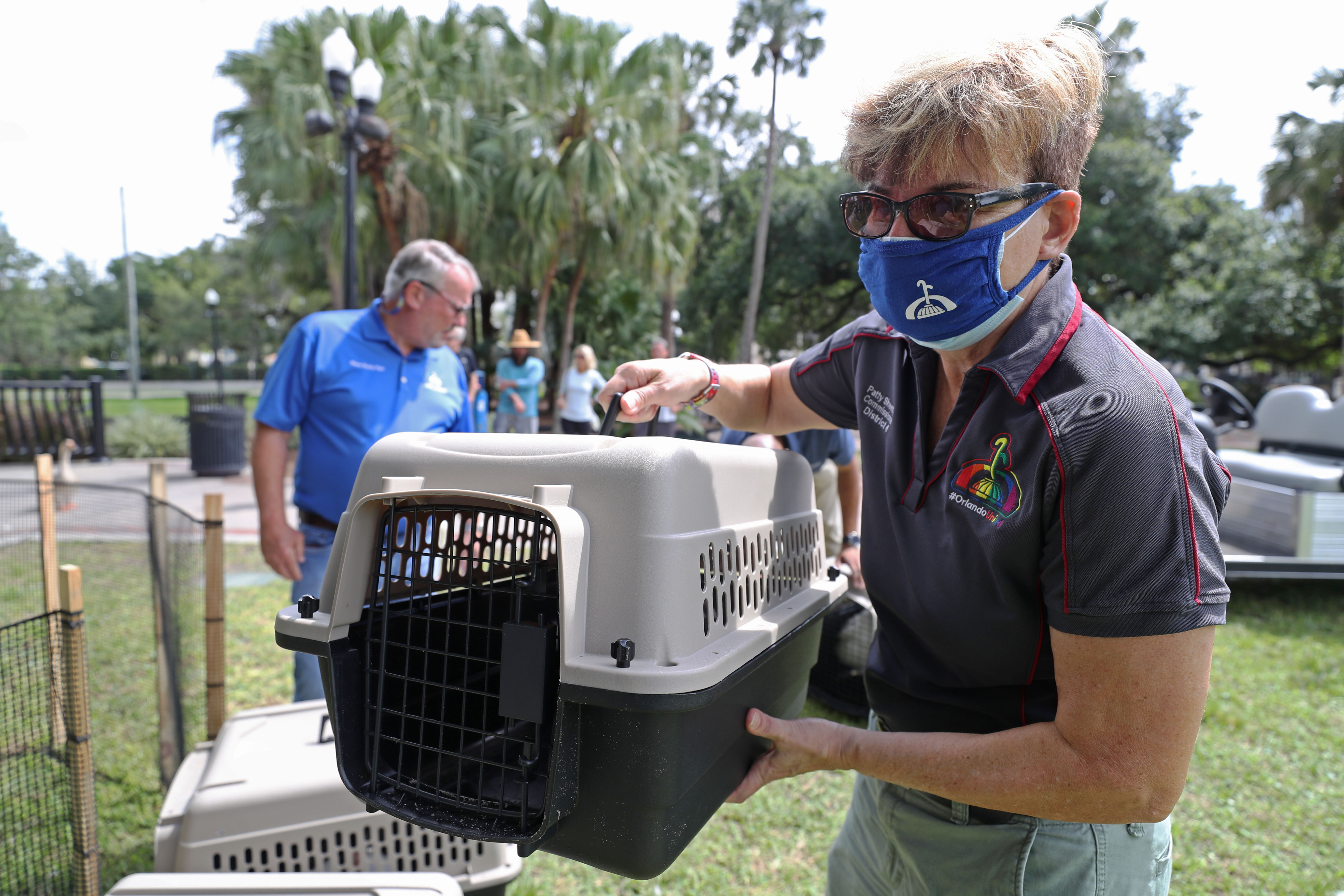
Commissioner Patty Sheehan shows one of the swans, as they are unloaded prior to their release into Lake Eola Park, on July 14, 2021. (Ricardo Ramirez Buxeda/ Orlando Sentinel)
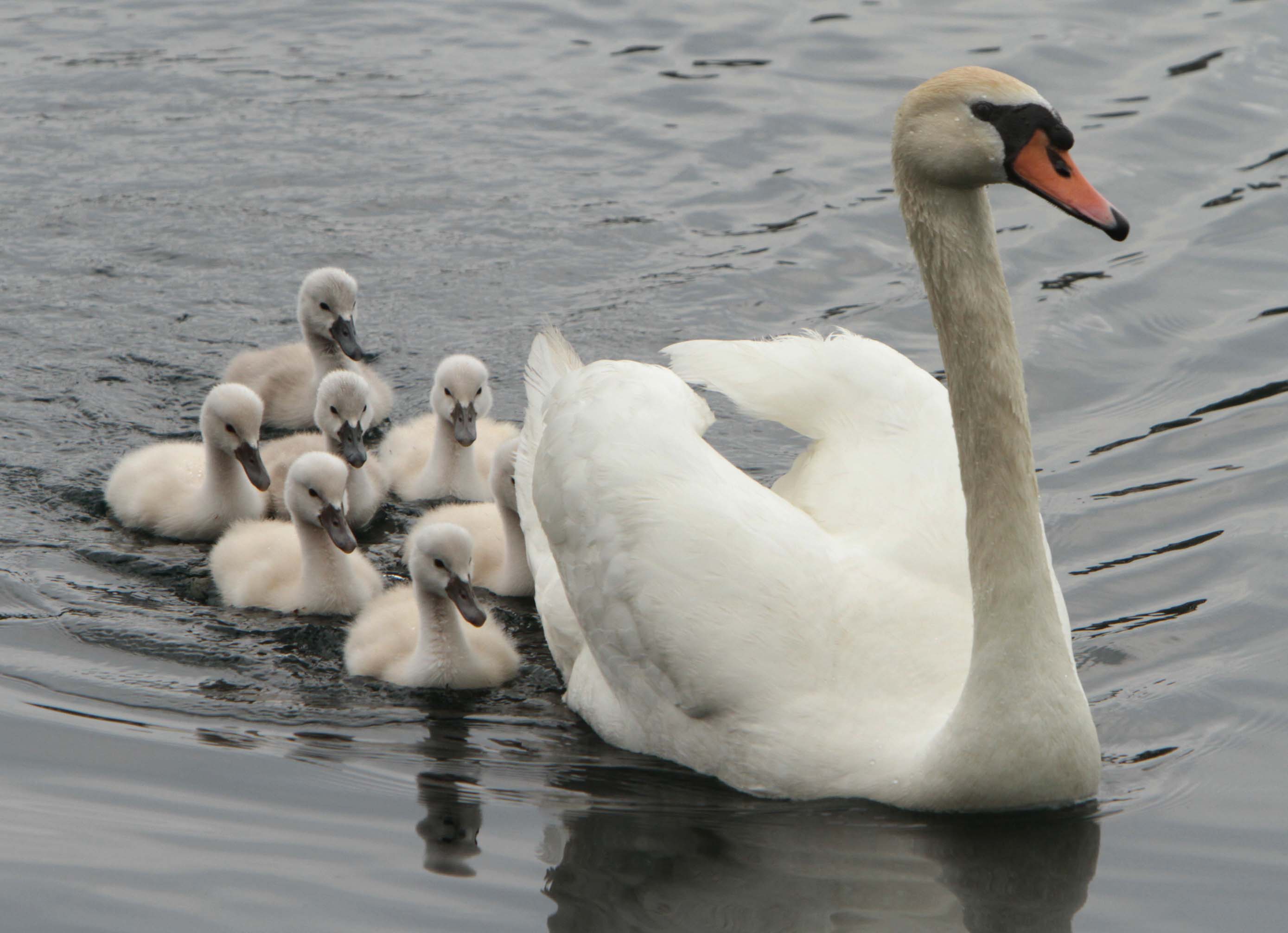
Young swan cygnets travel with their mother on Lake Eola on May 17, 2012. (George Skene/Orlando Sentinel)
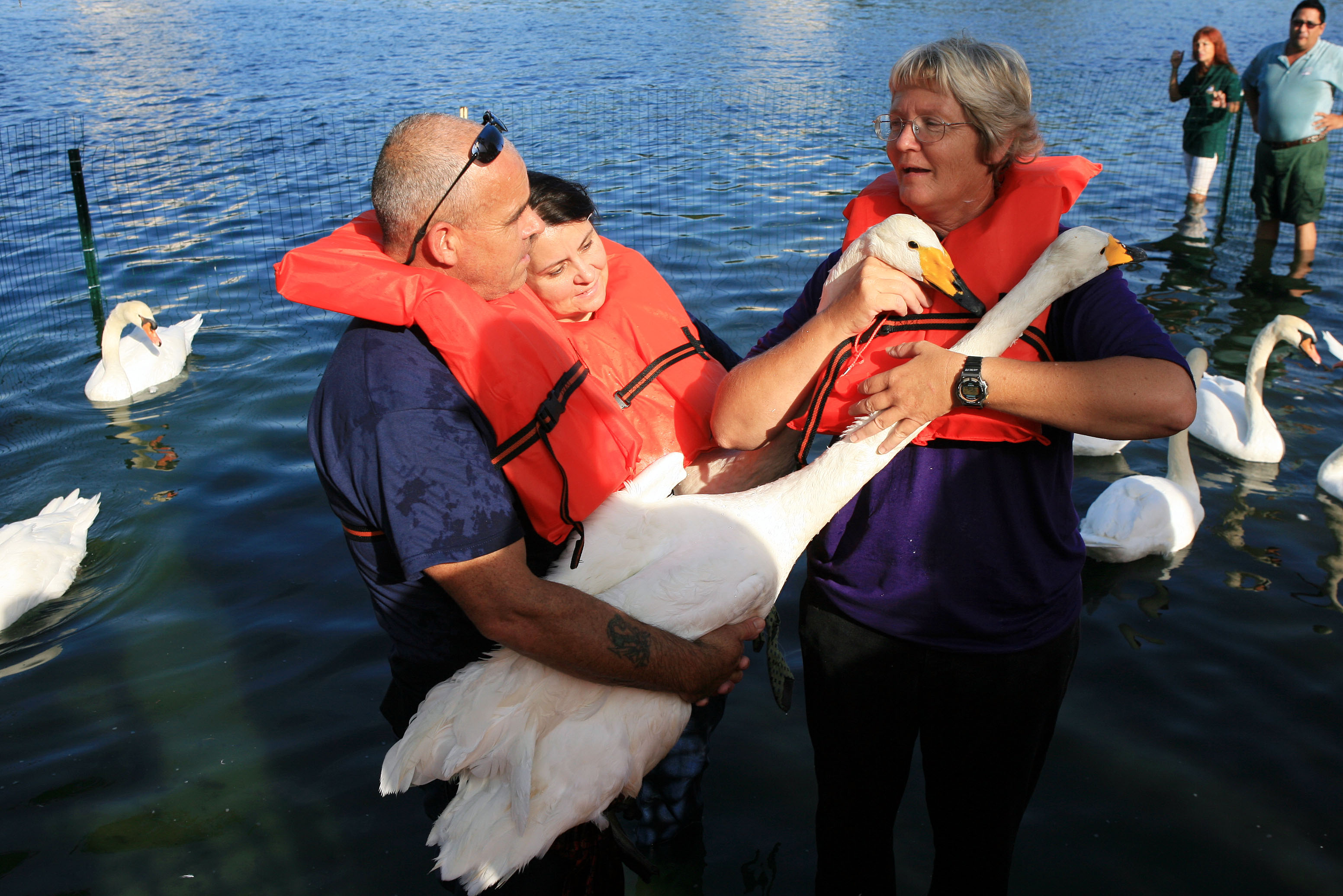
From left, Steve and Wendy Hermon of England’s Swan Lifeline and Sheila Bolin, CEO of Regal Swan Foundation, grab two swans to be brought to the veterinarian during the second annual Swan Round-up will at Lake Eola Park, on Oct.r 18, 2008. The swans got their annual medical exams and vaccinations during a coordinated capture by experienced kayakers. The roundup is part of a weekend long celebration culminating in the ribbon cutting for the new swans of the world habitat, and the black-tie Swan Soiree. (Ricardo Ramirez Buxeda / Orlando Sentinel)
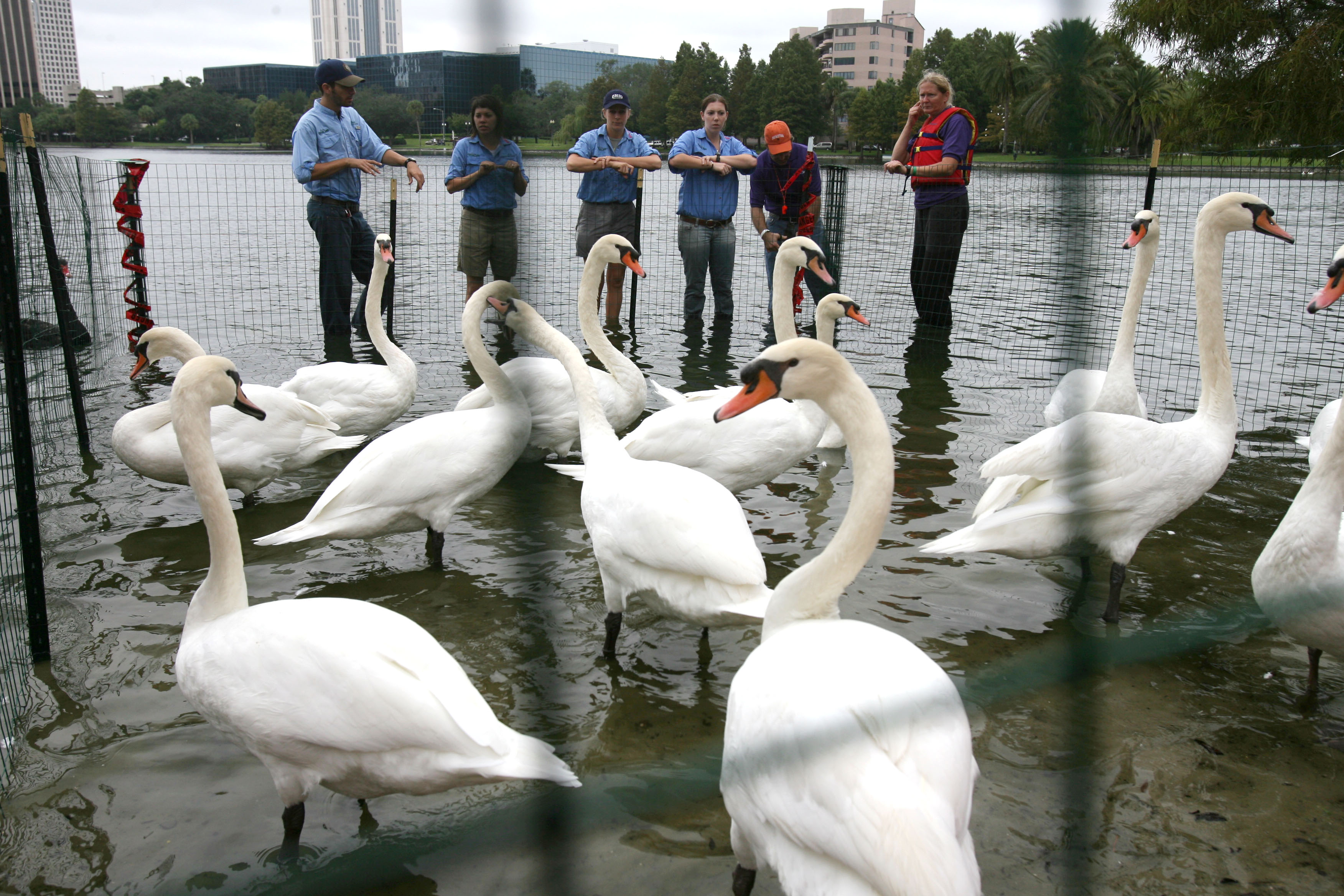
All the swans on Lake Eola were rounded up for vaccination and tagged on Oct. 26, 2007. The first annual medical exam program for swans at Lake Eola was under The Regal Swan, an Orlando based swan research group. The swans were corralled into temporary holding pens for their inoculations and exams. (Julie Fletcher/Orlando Sentinel)
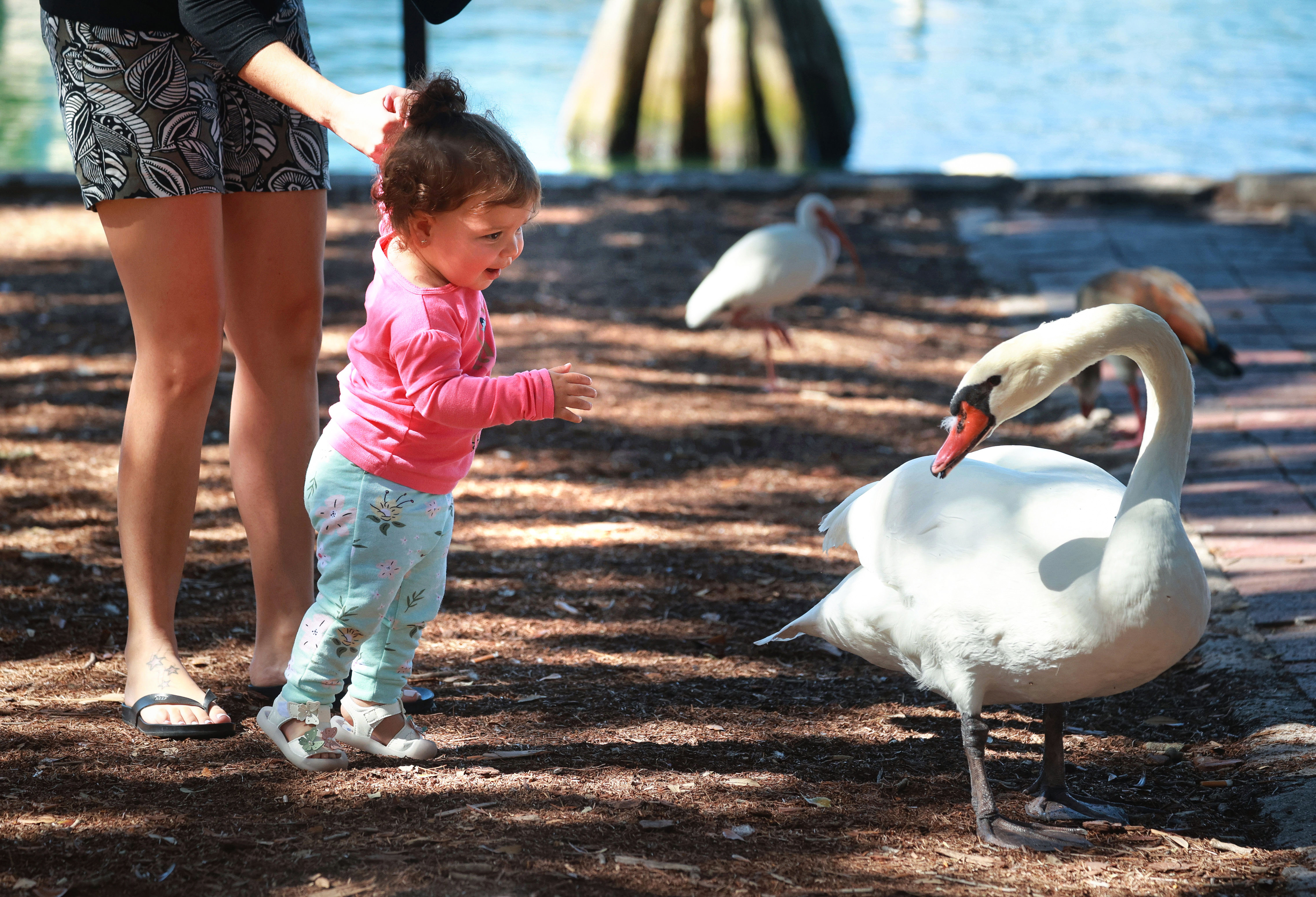
A young visitor to Lake Eola Park gets an up-close view of one of the park’s iconic swans on Nov. 6, 2023. The swans have been a fixture at Lake Eola since being placed there by the City of Orlando in 1922. There are 5 species totaling 60 swans currently living at the park in downtown Orlando. (Joe Burbank/Orlando Sentinel)

A Royal Mute Swan and its babies are seen seen at Lake Eola in downtown Orlando in June 2023. The City of Orlando said on Tuesday, February 27, 2024, that two cases of bird flu have been found among the lake’s famous swans. A Royal Mute Swan and an Australian Black Swan both died from Avian Influenza, the city said. (Roger Simmons/Orlando Sentinel)

A sign posted at Lake Eola Park warns about Avian Flu on Feb. 29, 2024, after some bird deaths at the park. An investigation found the 4 swans to be positive for Avian Influenza. The sign urges visitors to the park to take the following precautions: Avoid direct contact with birds and only observe them from a distance; do not feed birds; avoid contact with any bird excrement; and remove your shoes before entering your home and clean them off if contamination is suspected. (Rich Pope/Orlando Sentinel)

One of the Australian black swans at Lake Eola keeps an eye on passing visitors at the park in downtown Orlando on Aug. 28, 2024. The City of Orlando added six new swans to Lake Eola recently to replenish the current bevy of 50 trumpeter, black neck, whooper, royal mute and Australian black swans. The swans have been residents of the park since the early 1920s. (Joe Burbank/Orlando Sentinel)
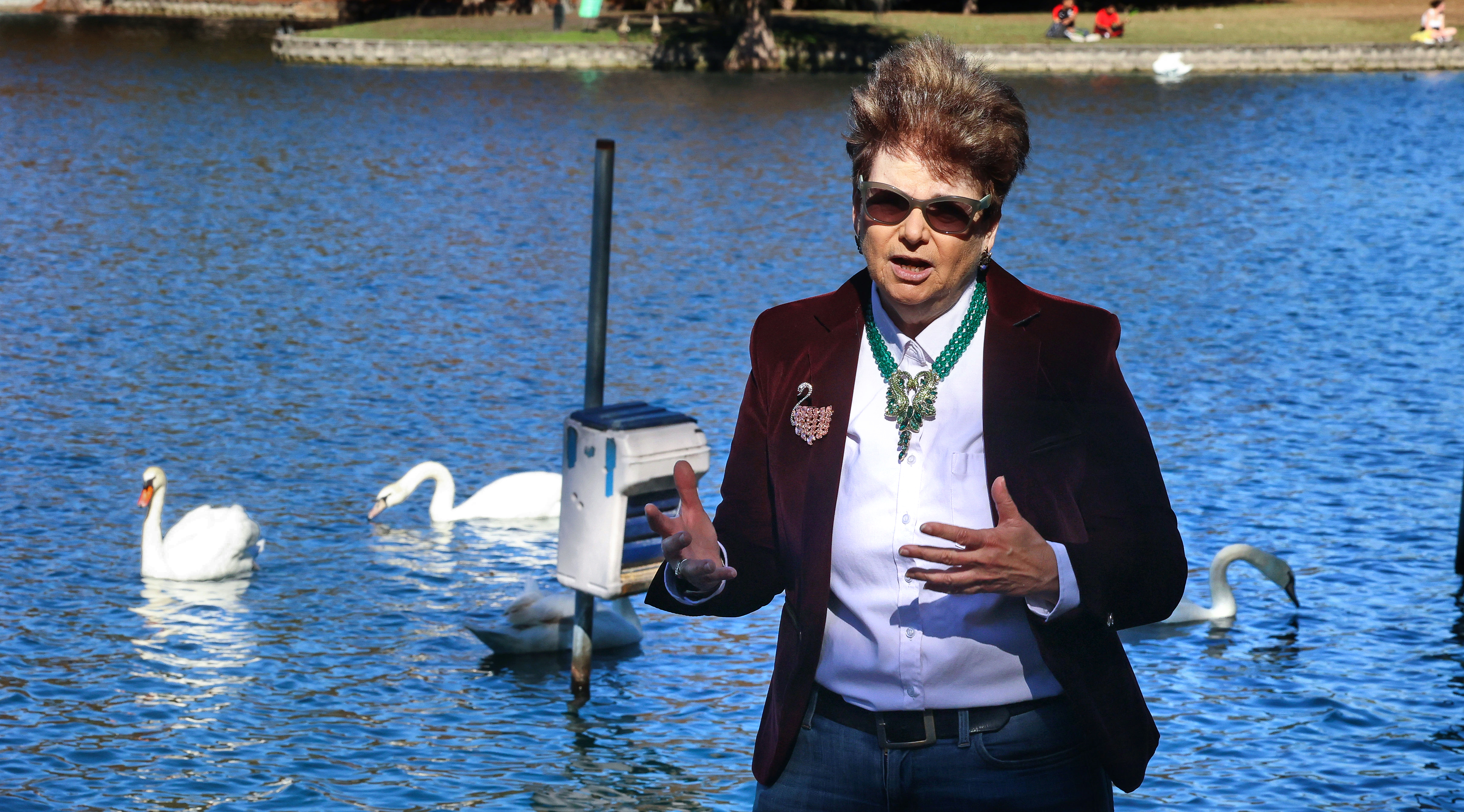
Orlando City Commissioner Patty Sheehan talks about the deaths in recent weeks of 12 swans at Lake Eola Park. on Dec. 29, 2025. Sheehan has been a longtime advocate for the care of the iconic birds, including championing the city’s Swan-A-Thon fundraising program. (Joe Burbank/Orlando Sentinel)
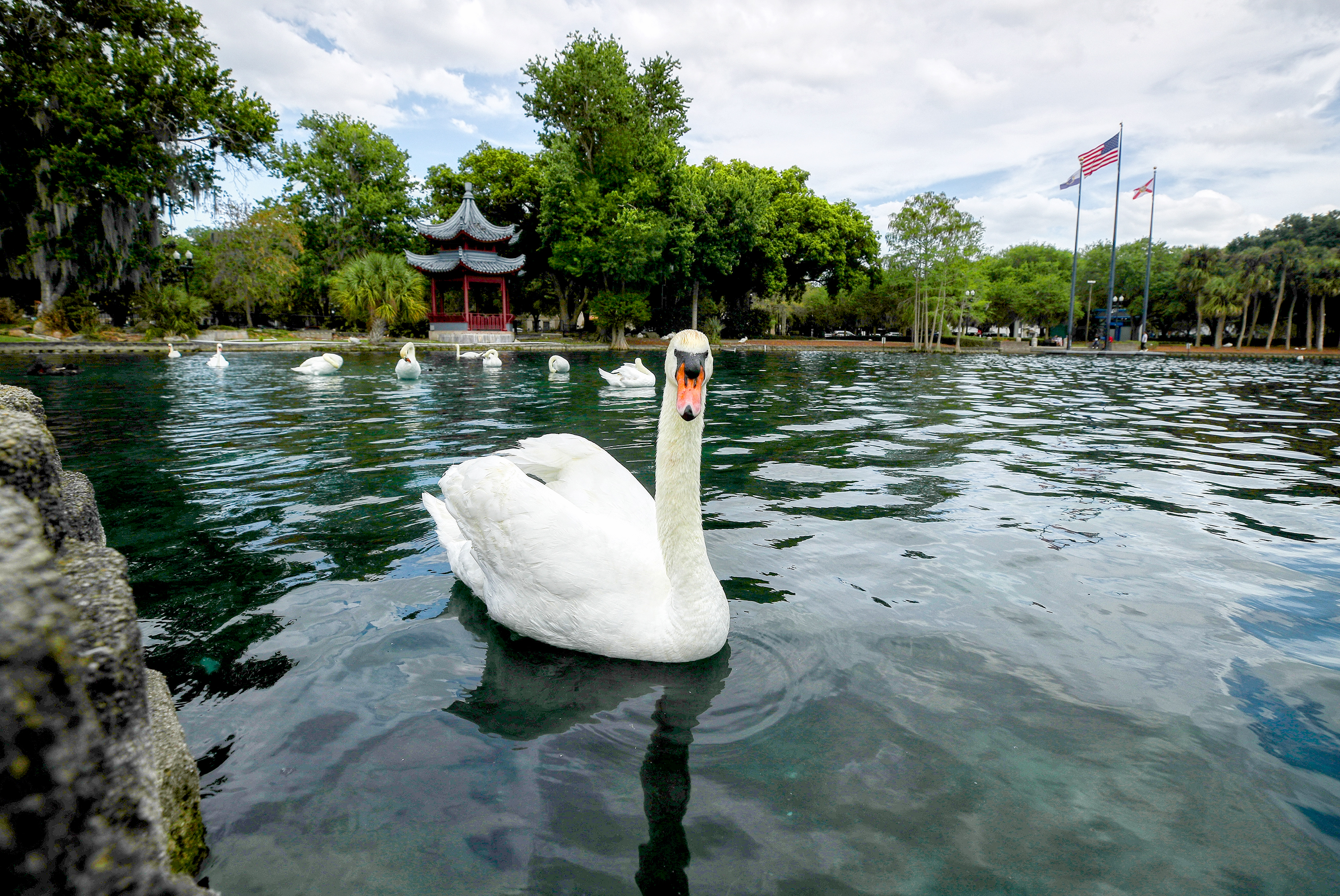
Swans at Lake Eola Park in downtown Orlando, Florida, on April 2, 2024. (Ricardo Ramirez Buxeda/Orlando Sentinel)
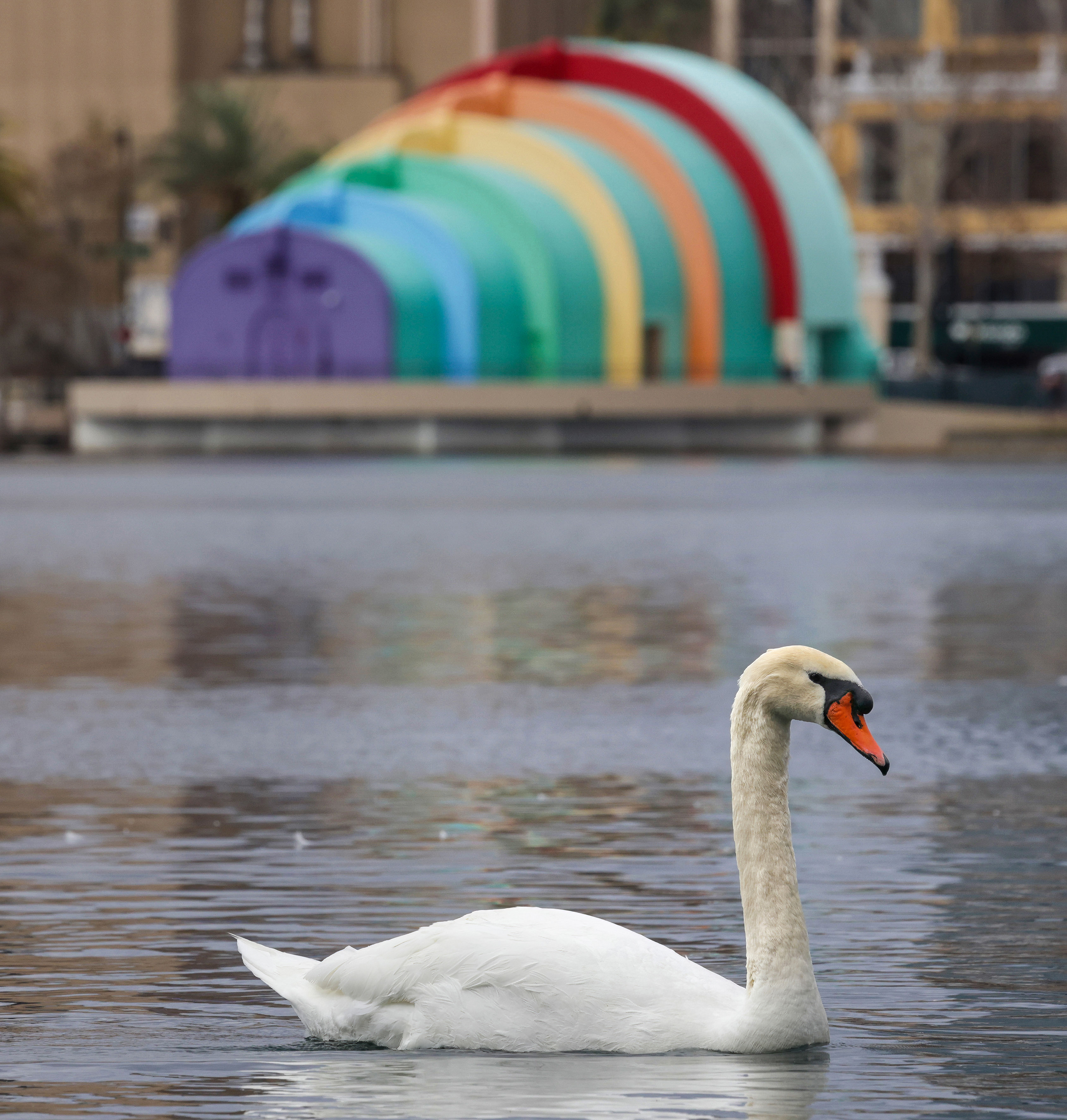
Visitors enjoy watching swans at Lake Eola Park on Feb. 16, 2026. With no new swan deaths reported at the lake in several weeks, city officials and swan advocates are optimistic that the avian flu outbreak that killed 29 of the birds may be over. (Joe Burbank/Orlando Sentinel)
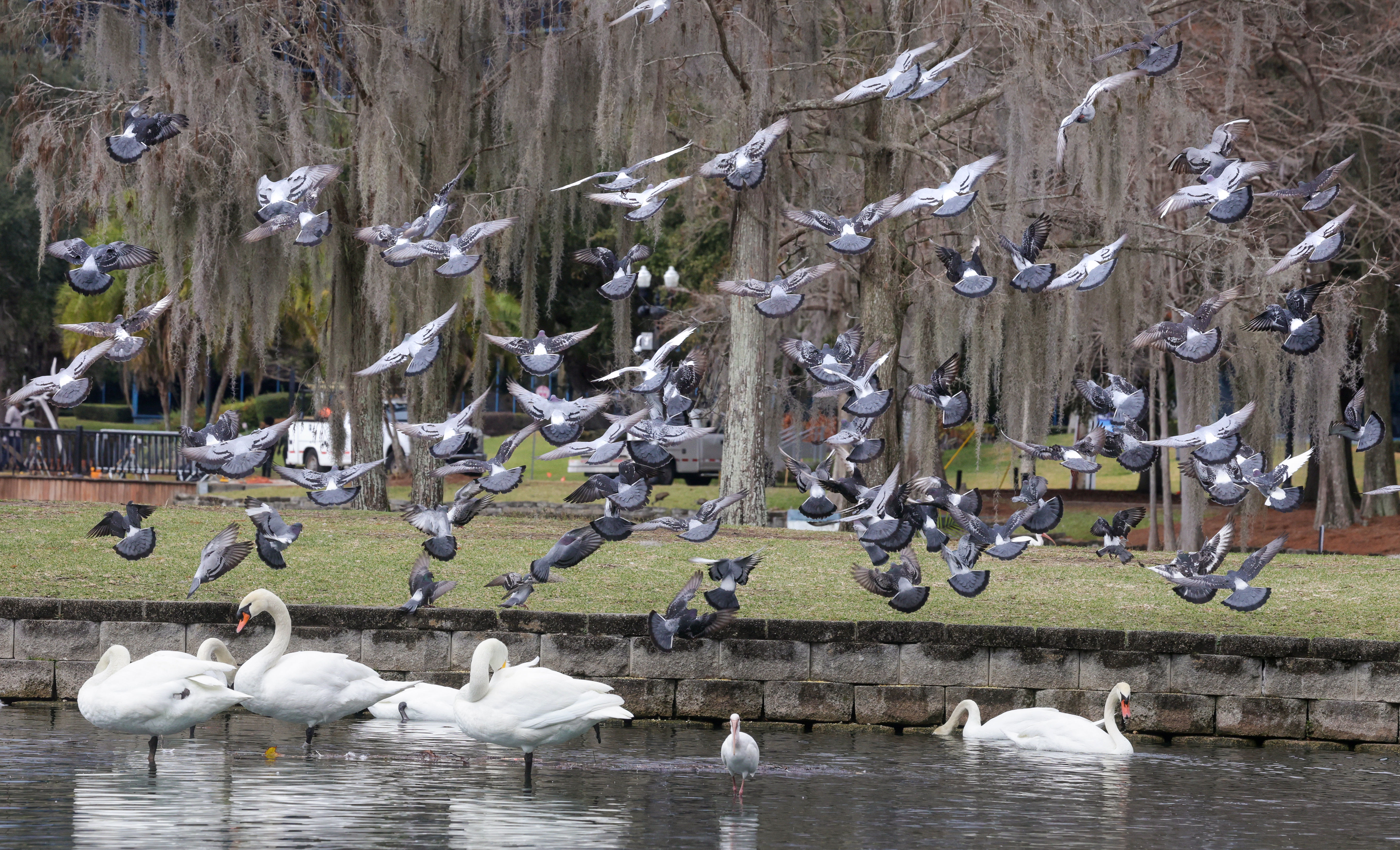
A flock of pigeons fly over the swans at Lake Eola Park on Feb. 16, 2026. With no new swan deaths reported at the lake in several weeks, city officials and swan advocates are optimistic that the avian flu outbreak that killed 29 of the birds may be over. (Joe Burbank/Orlando Sentinel)
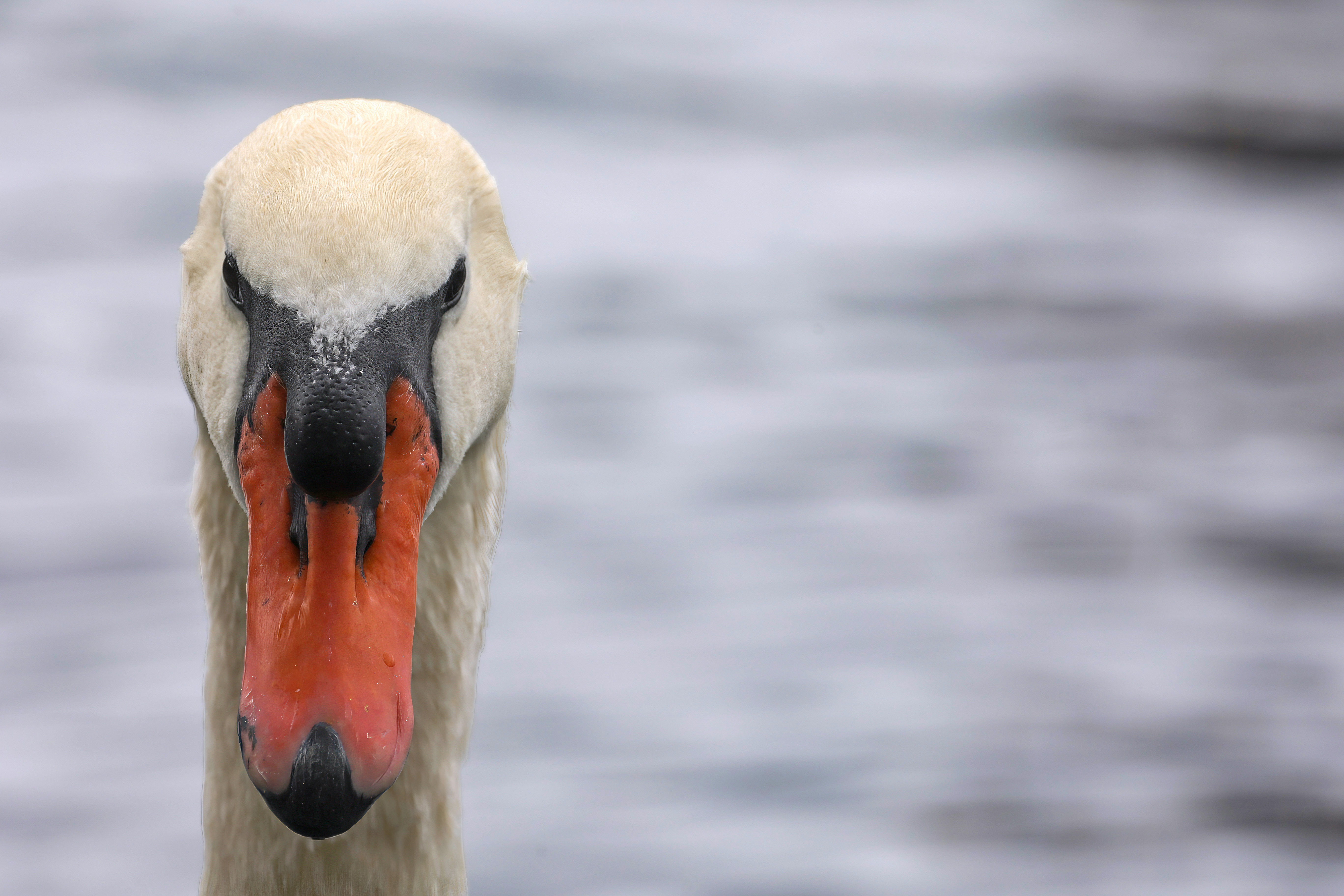
Visitors enjoy watching swans at Lake Eola Park on Feb. 16, 2026. With no new swan deaths reported at the lake in several weeks, city officials and swan advocates are optimistic that the avian flu outbreak that killed 29 of the birds may be over. (Joe Burbank/Orlando Sentinel)
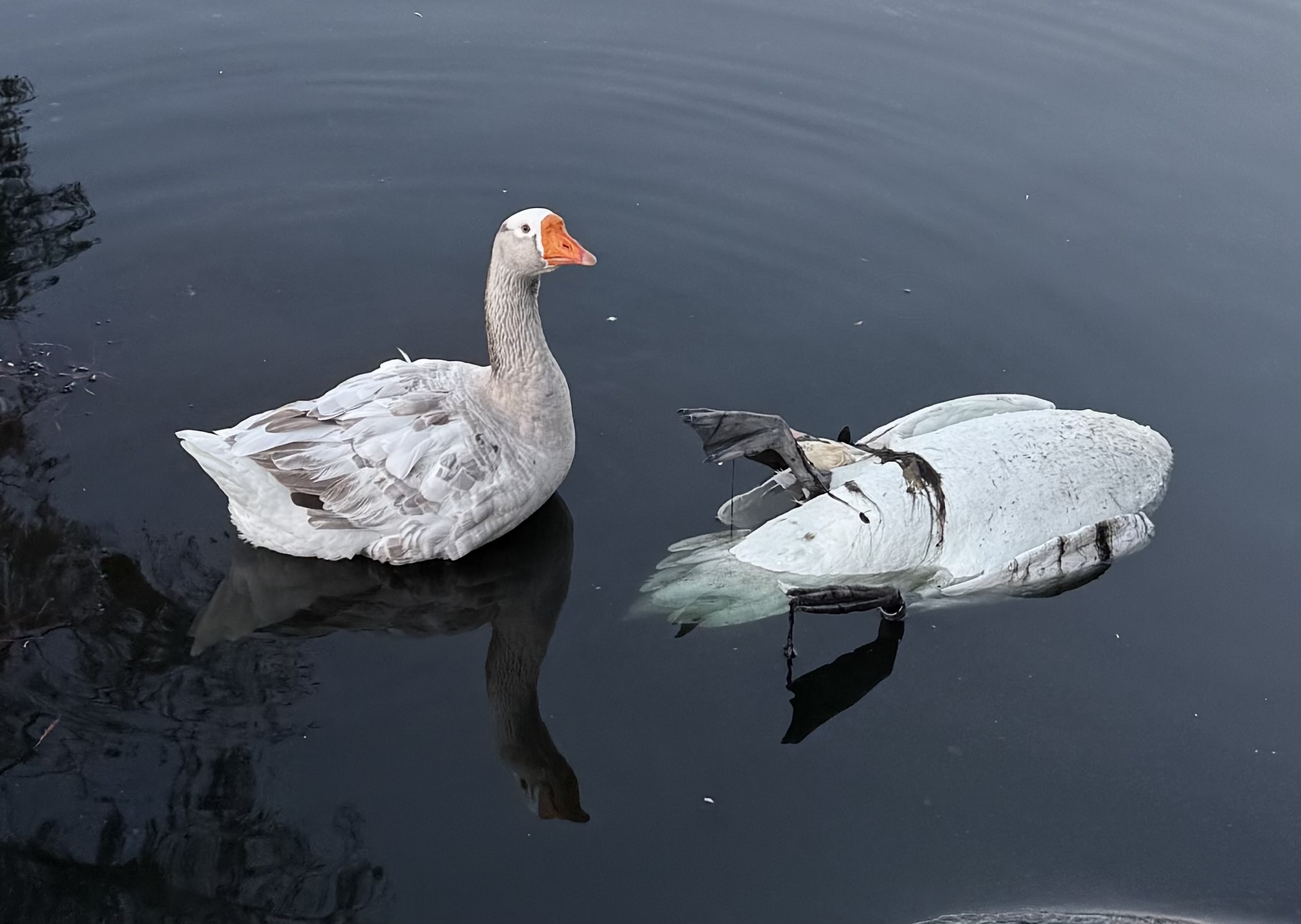
A dead swan is pictured floating in Lake Eola in Orlando on Dec. 27, 2025. (Hal Boedeker)
Show Caption
1 of 19
People feed swans on Lake Eola in 1910. (City of Orlando)
City Commissioner Patty Sheehan, a longtime backer of the flock who has purchased birds and sought donations for others, said she agreed with the decision, even if she didn’t like it. She said the transmissibility of avian flu among birds without a known cure made keeping the birds safe a tall task.
“My hope is that there will be a shot or an inoculation or an injection to cure the avian flu,” she said. “It’s sad for everyone. I know there’s going to be a lot of people who are going to be upset by this decision; it’s not one we’ve come upon lightly.”
Following the avian flu outbreak, which began in December, advocates called city leaders to do a better job of cleaning trash, feeding swans, and improving infrastructure and water quality. But many, including Andrew Marshall, a volunteer caretaker of the birds, started to question the program itself.
The move to find other homes for the swans, he said, was “the right thing to do.”
“I’m very pleased with the decision to do what is right by the animals,” he added.
At first, he said, ending the swan program wasn’t his goal. But the more research he did and experts he spoke to, his concern grew as mated swans are territorial and typically don’t live in such large groups.
“We learned this is not a safe environment,” he said. “This is not natural.”
Avery Boger, the city’s Signature Parks and Events program manager, said the city’s swan program could return one day after construction improvements to the park are completed, though such a decision would come later.
“Right now it’s a pause, it’s going to be paused during the construction,” she said. “The swan program is going to be re-evaluated as that project progresses.”
In a news release, the city said FWC has strict rules for captive wildlife, and officials determined it would be difficult to consistently comply with those rules in an urban park – especially one that is expected to undergo a substantial overhaul in the coming months and years as part of the Lake Eola Master Plan.
“We were probably going to have to move them anyway because of the construction, but this kind of forces our hand,” Sheehan said.
This is a developing story; please check back for updates.