

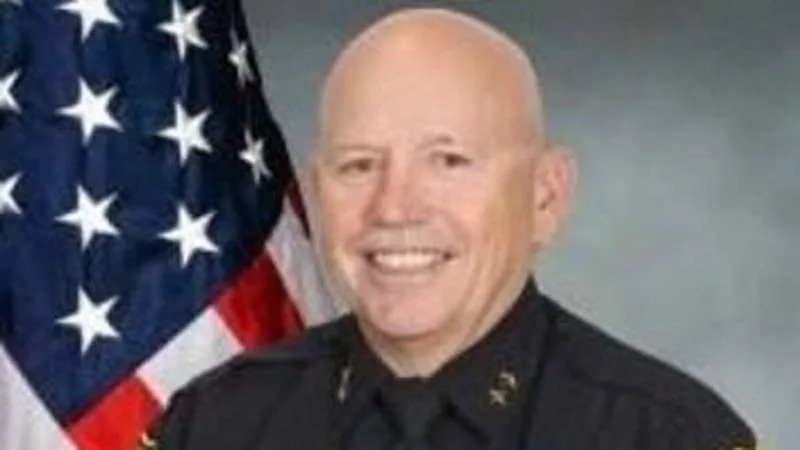
After 33 years in law enforcement, I have had the honor of protecting my community and the families who call it home. I am proud to be the immediate past president of the Florida Police Chiefs Association, an organization that supports the needs of our departments statewide. Today, I advocate for officers across our state, many of whom are now confronting a challenge few people fully understand: What happens after the uniform comes off.
For decades, Florida’s law enforcement officers have answered every call for help, worked holidays and nights away from their families, and carried the emotional weight of protecting others. They accepted those sacrifices with the understanding that, at the end of a difficult and dangerous career, they would be able to retire with stability and dignity.
But for officers who are now retiring, that promise of stability is slipping away.
In 2011, significant changes were made to Florida Retirement System benefits, including the elimination of the cost-of-living adjustment for members enrolled after July 1, 2011, and reductions affecting those hired before that date. More than 125,000 past and present first responders have been impacted.
Retired officers are watching the value of their retirement benefits steadily erode while the cost of nearly everything else has increased. While the everyday expenses of housing, insurance, groceries, utilities and medical care continue to rise, their retirement checks do not.
These are not extravagant requests. These are retired police officers trying to keep pace with inflation after careers spent protecting Florida communities.
For many officers, retirement is not easy to begin with. Law enforcement careers leave lasting impacts — physically and emotionally. Officers retire after decades of exposure to trauma, stress, violence and tragedy that most people will never experience. The financial uncertainty created by shrinking retirement value adds another layer of anxiety for many retirees who already bear the profession’s invisible burdens.
Officers should not spend retirement worrying about whether they can afford basic living expenses after dedicating their lives to public safety.
The discussion around cost-of-living adjustments is often framed solely as a workforce recruitment and retention issue, and it certainly matters there. Young officers pay attention to how retirees are treated. Mid-career officers look ahead and wonder what their future will look like. But this issue is also about honoring commitments to the men and women who have already completed their service.
A meaningful cost-of-living adjustment helps ensure retired officers can maintain the quality of life they earned through decades of sacrifice. It provides predictability and security at a stage of life when many are dealing with health concerns, caregiving responsibilities and the long-term effects of their careers.
Florida’s law enforcement officers held up their end of the bargain. They protected our communities, lowered crime and stood ready during hurricanes, disasters and emergencies.
Now, as the state Legislature reconvenes in Tallahassee to pass a budget, Florida has an opportunity to stand with them.
Supporting a responsible cost-of-living adjustment for retired first responders is more than a financial decision; it is a statement about how much we value the people who spent their lives protecting the rest of us.
Chief Charlie Vasquez, a veteran of the U.S. Army, began his 33-year career in law enforcement as a police dispatcher for the Houston Police Department, rising to the rank of assistant chief. Since 2017, he has served as Chief of Police for the Tampa International Airport Police Department. He is the immediate past president of the Florida Police Chiefs Association.