
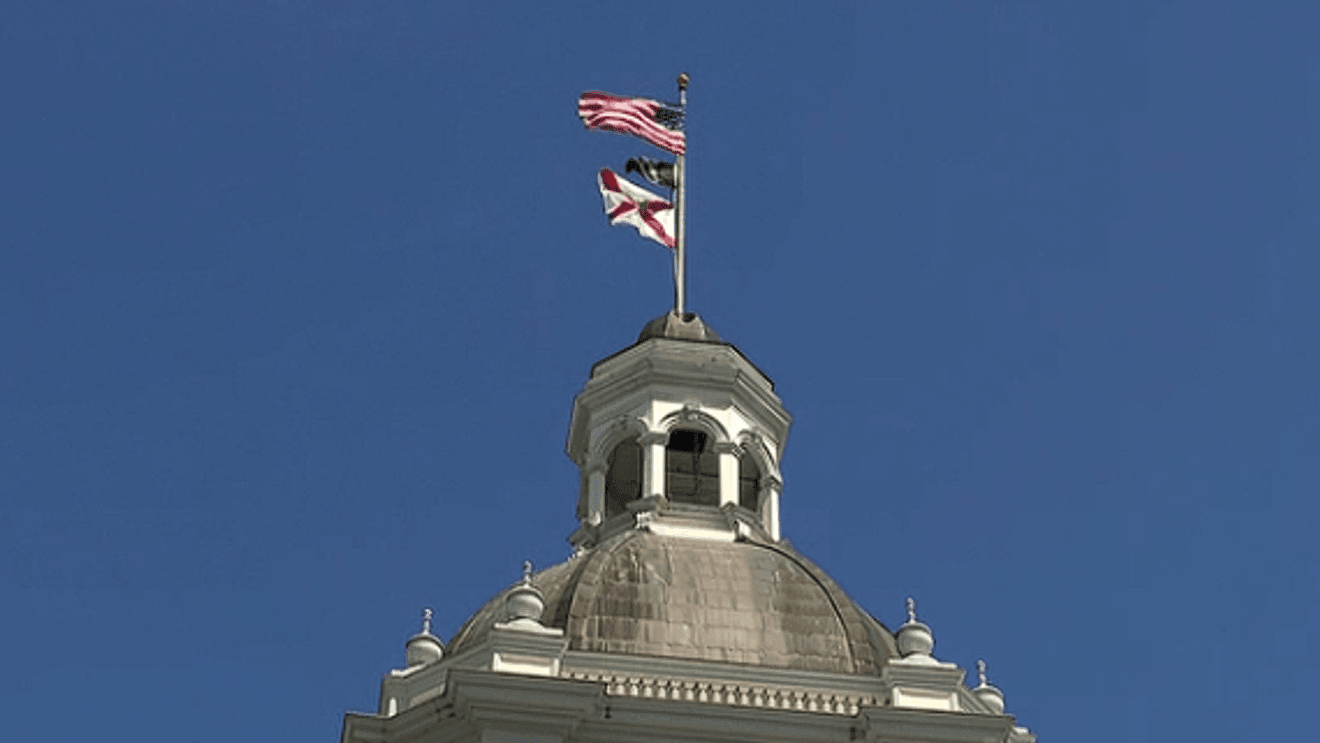
TALLAHASSEE, Fla. (CBS12) — Florida lawmakers are back at the state Capitol in Tallahassee once again, this time facing pressure to pass a long-overdue state budget.
It’s the one task the Florida Constitution requires lawmakers to complete every year, and for the second year in a row, legislators failed to finalize a budget during the regular legislative session.
Budget negotiations between the House and Senate broke down in March, leaving an estimated $1.5 billion gap between the two chambers’ spending plans. If lawmakers cannot reach an agreement before July 1, when the new budget year begins, Florida could face a partial government shutdown.
This marks the second return to Tallahassee for legislators in recent weeks. The governor called a special session last month to redraw Florida’s congressional maps.
See also: Port St. Lucie murder-suicide highlights domestic violence warning signs, resources
On Tuesday morning, the House passed 12 budget bills. The Senate replaced language in 10 of those measures, signaling continued disagreements over spending priorities.
The House is proposing a $114 billion budget, emphasizing restrained spending amid slowing revenue growth. The Senate, by contrast, is pushing a $115 billion spending plan that includes funding increases for education, health care and public safety, as well as pay raises for state employees and law enforcement.
Lawmakers say negotiations have stalled largely because the two chambers cannot agree on how much the state should spend overall.
State Senator Don Gaetz (R–Niceville) says the final budget will still be fiscally responsible.
“There will be a budget,” Gaetz said. “It will be a good budget. Fortunately, it will be a budget that spends less than was spent last year. That models, in the right way, behavior we should expect from the legislature. We’ve got to bring spending into conformance with revenues, to meet our constitutional responsibilities.”
Democrats, including House Minority Leader Fentrice Driskell, argue the process has dragged on too long and warn the proposed budget may not meet the needs of many Floridians.
“We should have completed this in the 60-day regular session. It’s a shame that the people of Florida are the victims of this, frankly, overreach, infighting and disfunction within the majority party,” Driskell said. “We still have a lot of conversations to go. I want to make sure there are actually good proposals in this budget that would help Floridians with the affordability crisis they are facing.”
Budget talks are scheduled to last 18 days, running through midnight on May 29. If lawmakers fail to reach a deal by July, some state-funded services and agencies could face disruptions.