
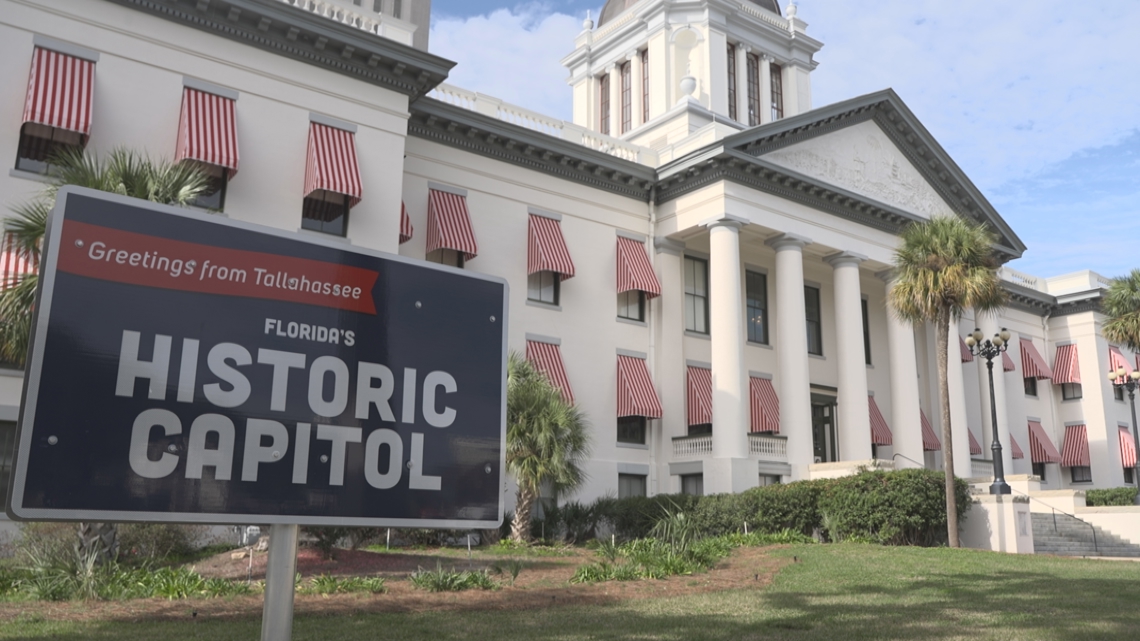
The legislature needs to pass a budget by July 1 to avoid a state government shutdown.
TALLAHASSEE, Fla. — Nearly two months after Florida lawmakers were supposed to finish the state budget, the House and Senate are back in Tallahassee for a special session aimed at getting it done before the July 1 deadline to avoid a state government shutdown.
The three-week special session began Tuesday, with both chambers approving their respective bills to officially begin conference negotiations.
Lawmakers left the regular session in March with a roughly $1.4 billion gap between the House and Senate spending plans. The House had proposed a $113.6 billion budget, while the Senate backed a $115 billion plan.
One major hurdle has already been cleared: leaders agreed on a top-line spending number of $52 billion in general revenue. Now, negotiators must decide how that money will be divided across major priorities like education, health care, environmental programs and state employee pay raises.
Gov. Ron DeSantis criticized the delay Tuesday, saying there was “no reason” lawmakers could not have finished the budget during the regular session.
“I just think it’d be a mistake to drag it out anymore,” he said.
The chambers’ initial proposals both fell short of his $117.4 billion proposal from back in December, especially in areas like education, the Florida State Guard and a controversial emergency fund going towards immigration enforcement.
Florida House Democrats are also criticizing the majority party for the need for a special session.
“We should have completed this during the 60-day regular session,” said House Minority Leader Fentrice Driskell, D-Tampa. “It’s a shame that the people of Florida are the victims of this frankly overreach and dysfunction and fighting within the majority party. But now it’s time to roll up our sleeves and get the work done.”
The overtime negotiations are also costing taxpayers money.
Last year’s extended budget talks cost the state an additional $259,000 in overtime expenses for lodging, travel and daily expenses for lawmakers and staff, according to the Office of Legislative Services.
This year’s costs are expected to climb even higher. The current budget talks mark Florida’s second special session of the year after lawmakers recently returned for redistricting discussions. Another special session focused on property taxes is also expected later this year.
Legislative leaders say lawmakers will spend the next few days in Tallahassee before continuing negotiations remotely and returning May 29 for final votes on the budget package.