
Florida is finally seeing meaningful progress in the fight against opioid overdose deaths. That progress should guide what we do next.

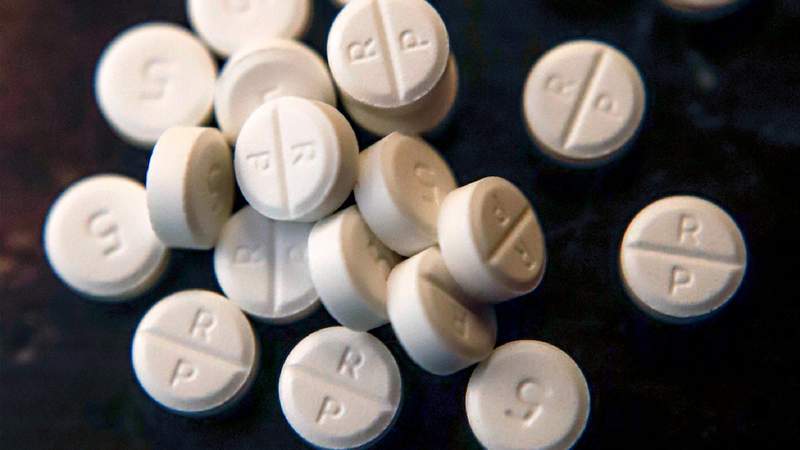
According to new data from the Centers for Disease Control and Prevention, analyzed by Stateline, opioid overdose deaths are declining sharply across the country. Florida stands out among the states with the most significant improvement. In the 12 months ending in October 2025, opioid overdose deaths in Florida fell to roughly 2,300, down from more than 5,700 at the peak in mid-2023.
That represents a nearly 60% decline.
This is real progress. It reflects years of work by public health officials, first responders, treatment providers, and community organizations. It also reflects a shift in how we approach addiction, with more emphasis on harm reduction, treatment access, and meeting people where they are.
But at the very moment we are seeing progress, Washington is considering a step that could move us in the wrong direction. Recently, legislation was introduced in Congress that would classify all forms of 7-hydroxymitragynine, known as 7-OH, as a Schedule I controlled substance, placing it in the same category as drugs like heroin. This proposal would significantly restrict access to products that some individuals are using as alternatives to far more dangerous substances. It would also hinder scientific and medical research into 7-OH, such as ongoing studies exploring its potential to slow the growth of HER2+ breast cancer. That raises an important question: As overdose deaths decline, should we be limiting potential off-ramps or expanding them?
7-OH is a naturally occurring alkaloid found in the kratom plant and an active metabolite of kratom, meaning it is also produced naturally in the body after consuming traditional kratom. There are no confirmed reported deaths tied solely to 7-OH ingestion.
For individuals struggling with opioid dependence, the path to recovery is rarely linear. Not everyone is ready or able to enter traditional treatment or abstinence-based programs immediately. That is why public health experts increasingly emphasize a continuum of care that includes harm reduction strategies alongside treatment.
Options matter.
Safer alternatives can play a role in helping individuals reduce or avoid the use of more dangerous substances. This is not a theoretical concept. It is the same logic that underpins widely accepted tools like medication-assisted treatment, naloxone distribution and syringe services programs. Each of these approaches was once controversial. Each is now recognized as essential.
The encouraging decline in overdose deaths suggests that a broader ecosystem of interventions is working together. A shrinking and less potent fentanyl supply may be part of the story, as experts note. So too are expanded treatment efforts and community outreach.
But it is unlikely that any single factor explains such a significant drop. More realistically, this progress reflects a combination of factors, including the availability of alternatives that help people move away from the most dangerous drugs.
That is why policymakers should proceed with caution before removing options from the landscape.
A blanket approach that treats all alternative products as inherently dangerous risks, pushing individuals back toward illicit markets, where substances are unregulated, unpredictable, and far more likely to result in overdose. We have seen this dynamic play out before. When access to safer or regulated alternatives is restricted, the void is often filled by more dangerous substances.
None of this is to suggest that kratom products should exist without oversight. Reasonable regulation, including age restrictions, product standards, labeling requirements, and quality controls, is both appropriate and necessary. Consumers deserve transparency and safety. However, legislation proposing the Schedule I status of 7-OH will not address any of these issues, and risks making the market more dangerous and unregulated.
There is a meaningful difference between smart regulation and outright prohibition.
As Florida and the nation continue to build on its progress, the goal should be clear: reduce harm, save lives, and expand pathways to recovery. That requires a pragmatic approach grounded in evidence and real-world behavior, not fear.
The nearly 60% drop in opioid overdose deaths is a reminder that progress is possible. It also underscores the importance of policies that support, rather than limit, the tools people are using to move away from deadly substances.
Florida has momentum. The challenge now is to ensure we do not undermine it.
Brooke Sanders, MS, is a neuroscientist serving at the Director of Network Relations & Strategic Expansion at Students for Sensible Drug Policy and is a Pinellas County resident.