
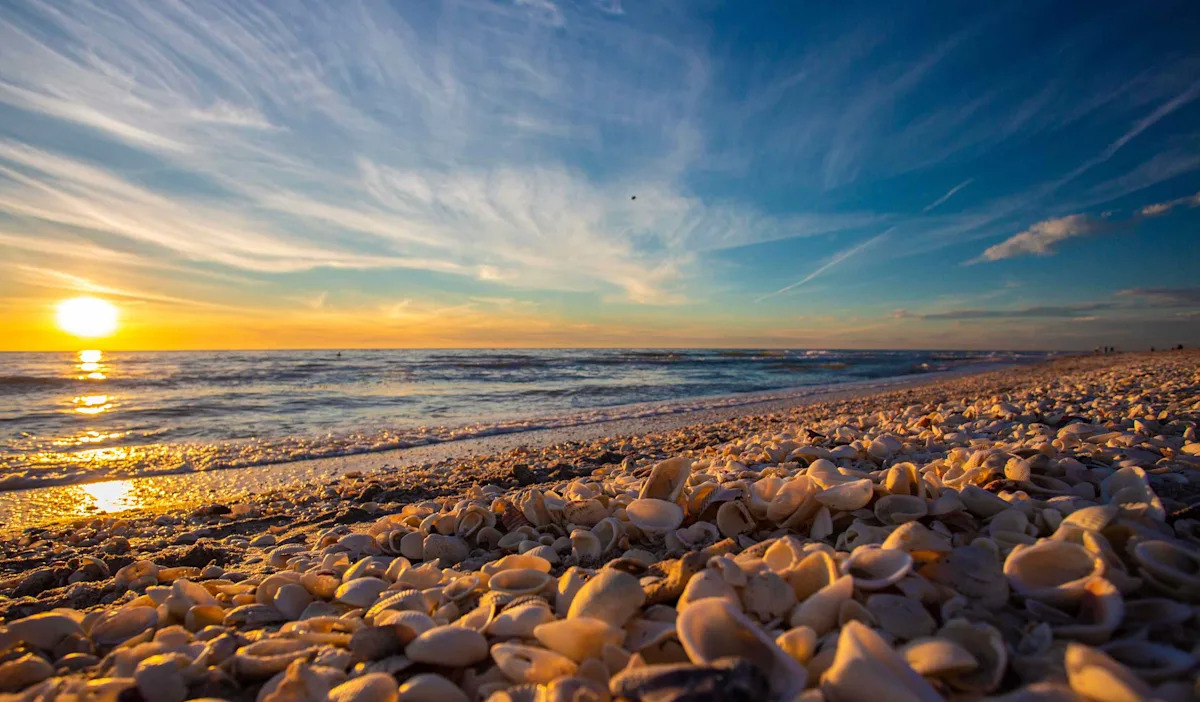
Florida’s coastline is home to more than white sandy beaches and cool breezes. It is also the place to discover some of the best shelling in the country. Whether you’re a seasoned sheller or just love walking on the shoreline, discovering beautiful seashells adds excitement to any beach day. From remote barrier islands to hidden coastlines, here are the best spots Florida shellers quietly cherish.
What is Shelling?
Shelling, also known as beachcombing, is strolling along the seashore in search of seashells. A popular pastime amongst people of all ages, it is a great way to connect with nature and become acquainted with the different wildlife in an area.
The Best Times For Shelling
Seasoned shellers know that timing is everything when uncovering rare finds. The best time to comb the beach is early morning during low tide when more of the shoreline is exposed, and crowds haven’t yet arrived. The weather and the moon also affect shelling. After a storm, the ocean deposits fresh treasures along the shoreline, and during a full moon, stronger currents and lower tides can reveal hidden shells that were once out of reach.
Ethical Shelling
Responsible or ethical shelling is being mindful of only taking empty seashells and always ensuring sand dollars, sea urchins, and other creatures are no longer alive before taking them home. It’s also important to be aware of local rules and regulations, as some beaches may have restrictions to help preserve delicate ecosystems.
The Best Beaches for Shelling in Florida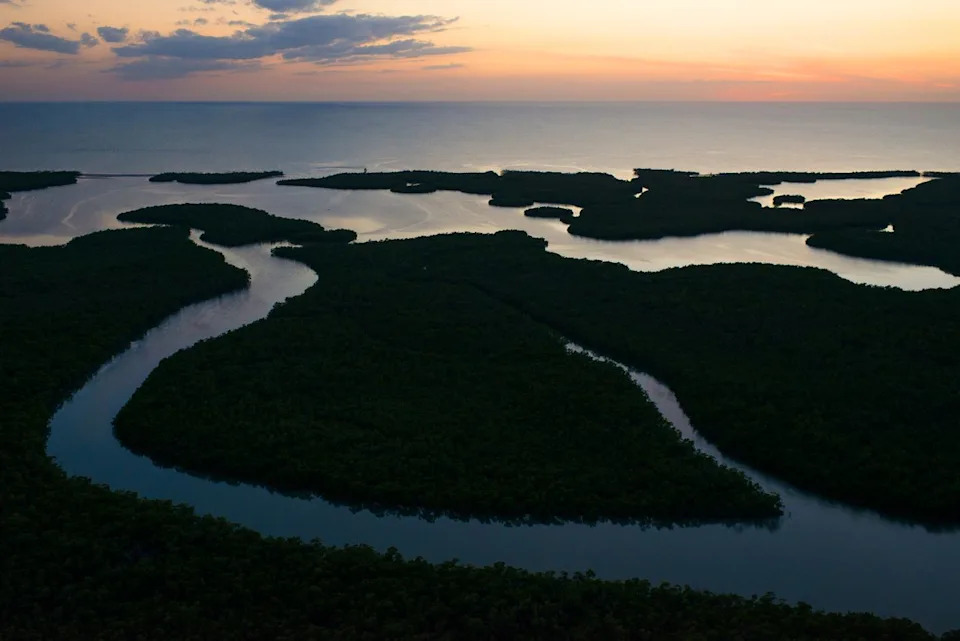
Credit: Darron Silva
Credit: Darron Silva
Ten Thousand Islands
Shellers looking for the ultimate adventure should plan to visit this cluster of islands located 20 miles southeast of Naples. Part mangrove and part beach, these islands offer an almost exclusive shelling experience because of their remote location. Most easily accessible by shelling tours or boat tours, Ten Thousand Islands is a good place to find the scarce Junonia shell, known as the Jewel of Florida, along with whole sand dollars, Florida spiny jewel boxes, and lightning whelks.
Credit: Calliope Films
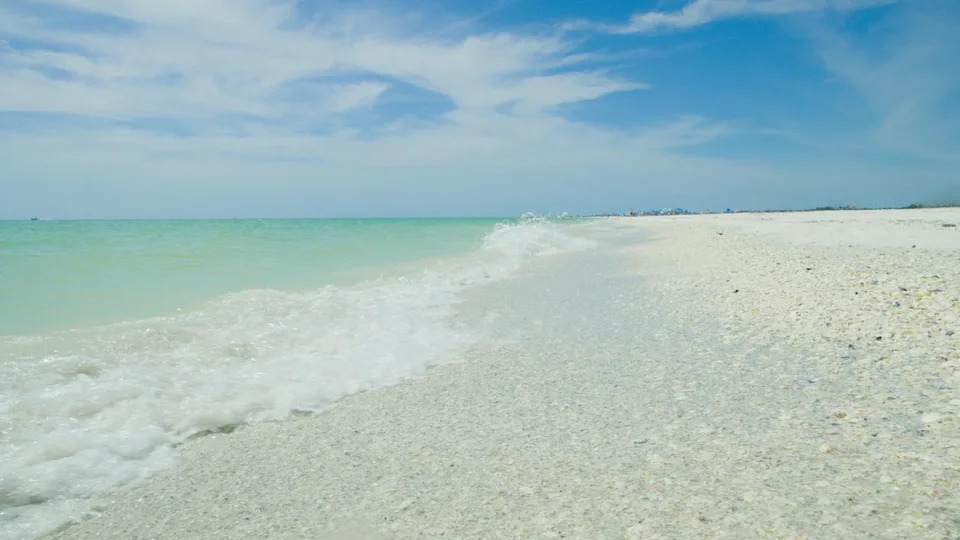
Marco Island
Adjacent to the Everglades National Park and nearly 100 miles of undeveloped islands, bays, and estuaries, Marco Island is a sheller’s paradise. At 22 square miles, it is an excellent place to find fighting conchs, murexes, and cones and see an abundance of wildlife, including manatees, pelicans, herons, and bottlenose dolphins.
Credit: Calliope Films
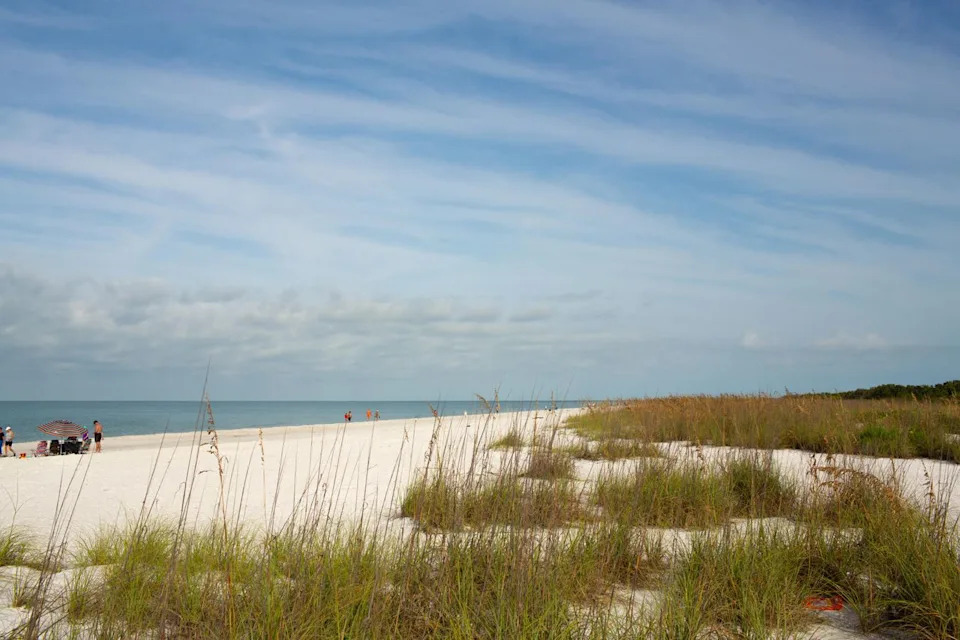
Tigertail Beach
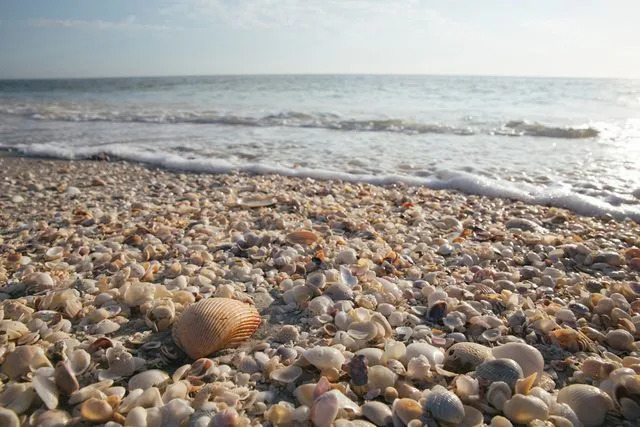
Tucked away on Marco Island, Tigertail Beach is a shell hunter’s dream, so special it’s earned a reputation all its own. Made accessible only after Hurricane Wilma hit in 2005, Tigertail Beach is split into two distinct areas: an inner lagoon and an outer beach. Adventurous beachgoers can reach the outer shore by wading through shallow, grassy waters during low tide or by kayak. Those who make the quick journey are rewarded by three miles of pristine shoreline covered with shells, including calico scallops, sand dollars, moon snail shells, and lightning whelks.
Credit: Visit Florida
Captiva Island
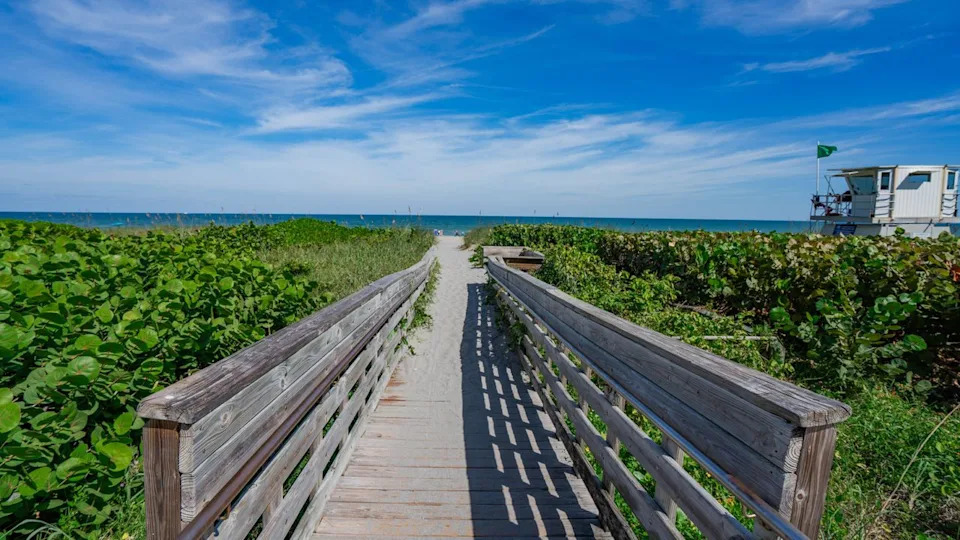
Just off the coast near Fort Myers, Captiva Island’s unique curve in the Gulf creates ideal conditions for world-class shelling. Often overshadowed by its more famous sister, Sanibel Island, the two are connected by just one scenic road. Captiva offers the same shell-strewn beaches, minus the crowds. Early risers will beat beachgoers to find coquinas, false angel wings, conch, murexes, scallops, tulip shells, and more.
Credit: NPI Productions
Jupiter Island
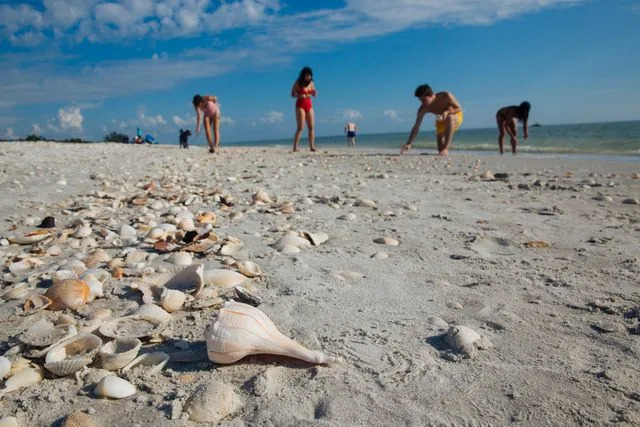
While most of the premier shelling spots in Florida are on the Gulf side of the state, there are a few good opportunities on the east side, including Jupiter Island. Located approximately 50 miles north of West Palm Beach, the areas close to Coral Cove Park, Hobe Sound National Wildlife Refuge, and Jupiter Island Country Park are home to lion’s paws, sand dollars, and coquinas.
Credit: Visit Florida
Barefoot Beach
Nestled on a 342-acre nature preserve in Naples, Florida, Barefoot Beach is one of the last undeveloped beaches on Florida’s Southwest coast. With miles of clear, calm water, it is easy to find worm snail shells, lightning whelks, conchs, and sand dollars.
Read the original article on Southern Living