
WEST PALM BEACH, Fla. (CBS12) — Florida’s sea turtle nesting season is already off to an impressive start, and researchers say it could be a big year.
New numbers from the Florida Fish and Wildlife Conservation Commission’s Fish and Wildlife Research Institute on May 13 show nesting activity is up across several species. In some cases, counts are already ahead of recent record-setting years.
Loggerhead turtles are leading the way so far. As of April 30, about 1,450 nests have been counted statewide. That is a major jump from 796 at the same time last year and well above 469 in 2024. It also slightly exceeds 2023, which was considered a strong season.
Leatherback turtles are also off to a strong start. Researchers have documented 1,008 nests, already topping last year’s total at this point. That continues an upward trend seen over the past few seasons.
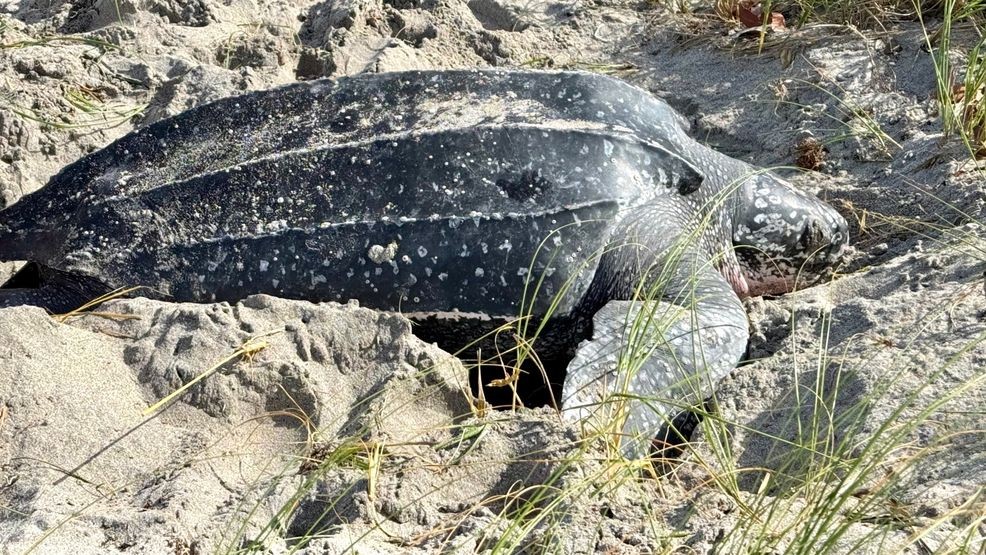
Loggerhead Marinelife Center said the sighting is unusual, as leatherback sea turtles typically nest at night. The turtle, known as “Worm,” was previously documented by Florida Leatherbacks Inc on March 4. The center says this marks the first time it has encountered this particular sea turtle. (Loggerhead MarineLife)
Kemp’s ridley turtles, one of the most endangered sea turtle species, are showing a small increase. Three nests have been recorded so far, compared to one at this time in 2025. While the numbers are still low, researchers say any increase is encouraging.
See also: El Niño is heating up faster than expected; what that means for hurricane season
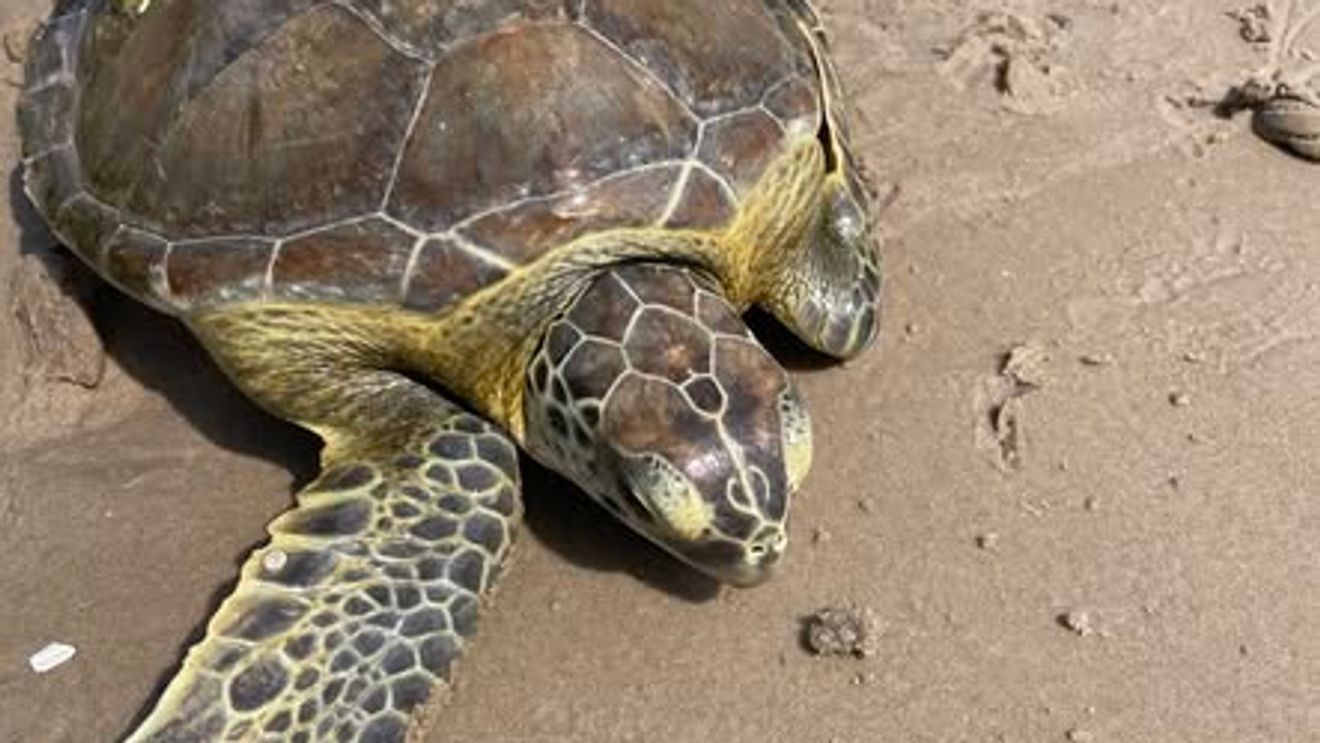
Green turtles have not appeared in the early counts yet, but that is typical. They tend to nest later in the season, and early totals have been low in recent years.
Researchers say it is still early, but the strong start is a good sign. Florida’s beaches are some of the most important nesting grounds in the world, and the state plays a key role in sea turtle conservation.
The data comes from a large network of permitted surveyors, volunteers, and partner organizations who walk beaches daily to track nesting activity. Their work helps scientists monitor populations and protect nests.
Even with the strong numbers, experts say there is still reason to stay cautious. Sea turtles face ongoing threats, including coastal development, artificial lighting, pollution, and climate change. People living near or visiting beaches are encouraged to follow guidelines that help protect nesting turtles.
With peak nesting months still ahead, researchers will continue to watch closely. For now, the early numbers are giving them reason to feel optimistic about the 2026 season.