
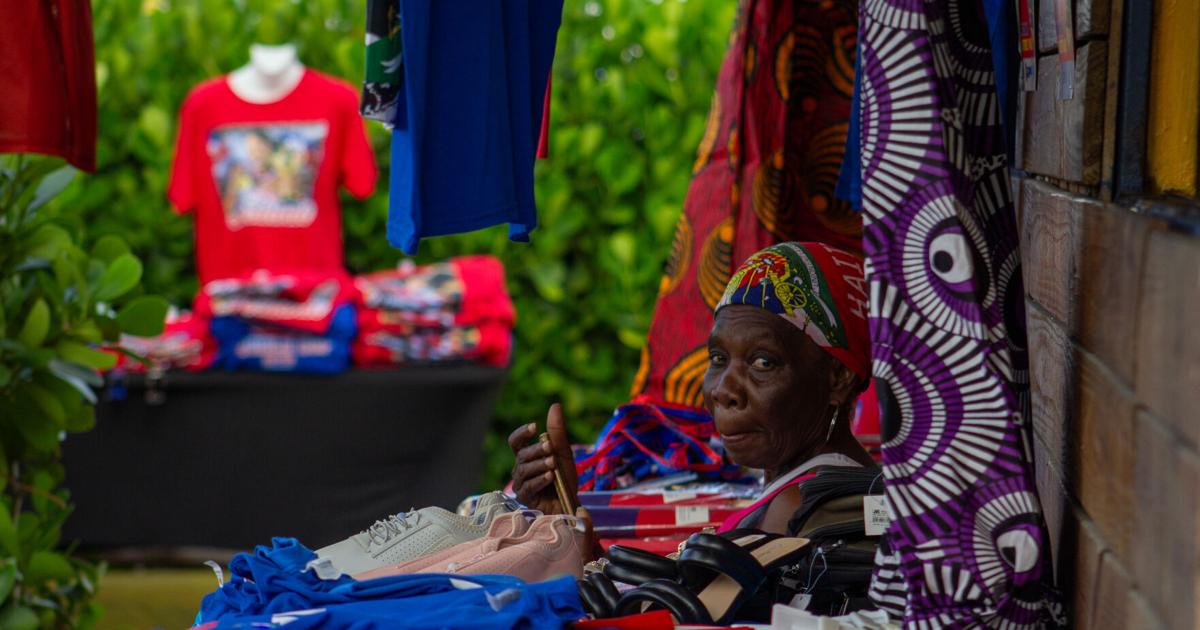
This week, local restaurant Chef Creole brought a new community celebration to the heart of Little Haiti to honor the Caribbean heritage that continues to define the neighborhood today. Known as Unity Fest, the event commemorated Haitian Flag Day, aiming to reflect the diversity, creativity and spirit of the Haitian diaspora in Miami.
Celebrated annually on May 18, Haitian Flag Day celebrates the unification of Haiti against French colonial rule in 1803. This unity paved the way for Haiti to declare its independence in 1804, making it the world’s first Black republic and the first independent nation in Latin America.
The festival featured spoken-word poetry, art and cultural storytelling, all while providing traditional Haitian and Caribbean-inspired cuisine in a high-energy, music-filled outdoor space. It attracted not only residents of Little Haiti but those across South Florida, aiming to inspire both the community and its neighbors to unite under the legacy of the Haitian flag.

Unity Fest drew attendees from within the neighborhood and far beyond.
(Elisabeth Campbell for The Miami Times)
“I hope to better educate people about what the flag represents,” said Wilkinson Sejour, widely known throughout South Florida as Chef Creole. “The flag was impactful, not just to Haiti, but to Venezuela, to Colombia, to Panama, Bolivia and America.”
Sejour emphasized that the revolution in Haiti was not an isolated event; it was an event that changed the course of history. He looks at the unification of the nation as an example for the U.S. to follow.
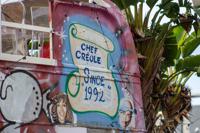
Chef Creole was founded in 1992 by Wilkinson Sejour and his brother, the late Jude Pierre.
(Elisabeth Campbell for The Miami Times)
“I think we will start to better understand that we need a different purpose: how we deal with each other, how we become steadfast with each other,” said Sejour. “It’s so important that we as a community do not isolate ourselves and just think about our individual traditions. Because of Chef Creole, I understood the significance and the importance of always having your doors open.”
Keeping doors open was a recurring theme throughout the event. Connie Kinnard is the senior vice president of Multicultural Tourism & Development for the Greater Miami Convention and Visitors Bureau. She defines multicultural tourism as “a route in which to celebrate, elevate and heighten the awareness of various cultural diasporas within a community.”

Unity Fest drew a crowd of all ages.
(Elisabeth Campbell for The Miami Times)
“Miami is not necessarily a melting pot,” said Kinnard. “It’s more like a salad. We have all these unique parts of our destination that are vibrant and bold by themselves but collectively make us unique.”
Kinnard highlighted the Convention Bureau’s partnership with small businesses as well as arts and culture programs in general. The bureau’s goal is to connect the dots between visitors and residents, opening doors for both parties to enjoy all that Miami has to offer.
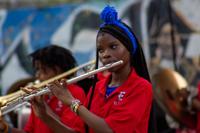
Miami Edison Senior High School marching band performed at the Unity Fest.
(Elisabeth Campbell for The Miami Times)
“It’s a blessing sometimes when you’re in a community that is as diverse and authentic as ours,” said Kinnard, “but sometimes you don’t realize how wonderful it is. Part of what we do at the Convention Bureau is about visitation, but we are also about celebrating and promoting events for our residents to know what’s going on in the community.”
Because Unity Fest was an event for locals and tourists alike, it sought to present the best of what Miami had to offer in terms of food, art, music and business.

A Miami Edison Senior High School dance team performed at the Unity Fest.
(Elisabeth Campbell for The Miami Times)
One featured local artist was Tawana Dixon. According to her website, her paintings
“examine how environments hold history,” inviting reflection, emotional connection and presence to both personal and collective experiences.
“This event is especially meaningful in that it represents unity, not only within the Haitian diaspora but beyond,” said Dixon. “In times like those that we live in these days, with the political and social climate we’re in, this kind of event that promotes togetherness is important. It promotes connection, bringing the community across cultures together, and that’s more of what we need.”
While Dixon is not of Haitian birth, her heritage stems from the Caribbean. Her art is reflective of both the shared and the personal, incorporating culture with individual experience.
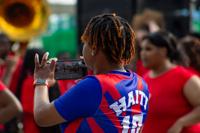
An audience member takes a video of the Miami Edison Senior High School performance.
(Elisabeth Campbell for The Miami Times)
She describes the diaspora as “broken” when it comes to the separation between Black American culture and Caribbean culture, citing events like Unity Fest as agents of change within the community.
“We’re here together, and we need to share what we have and do it peacefully,” said Dixon. “It’s not about differences in culture and all these little things that we focus on. That’s more of a distraction.”
“Unity, independence, and triumph: that’s what the whole flag represents,” said Kinnard. “It’s about bringing people together.”
Close
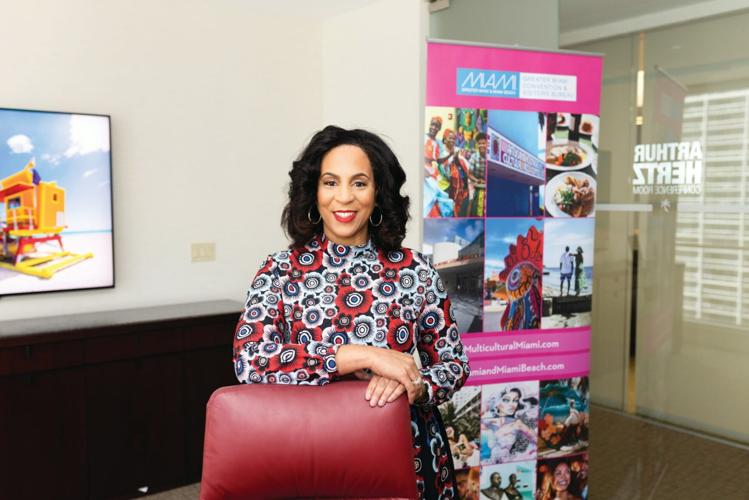

“Unity, independence, and triumph: that’s what the whole flag represents. It’s about bringing people together.” -Connie Kinnard, GMCVB
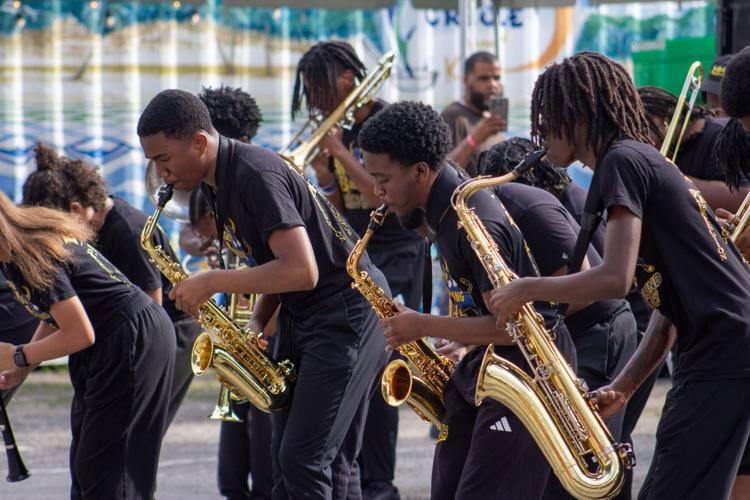
Miami Northwestern Senior High School’s marching band performed at the Unity Fest.
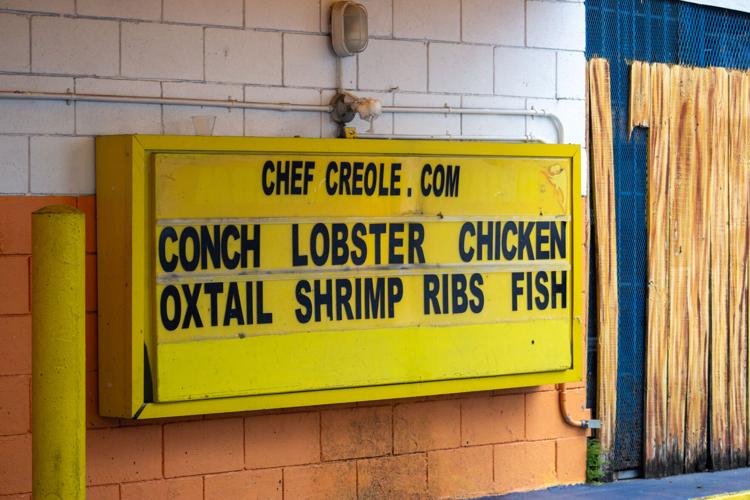

Chef Creole serves a variety of Caribbean-inspired dishes.
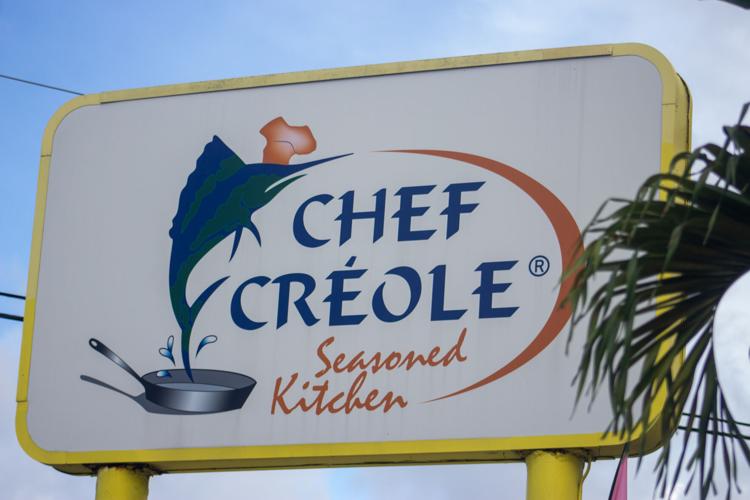
Chef Creole Seasoned Kitchen is owned by Wilkinson Sejour, known around Miami as Chef Creole.
“Unity, independence, and triumph: that’s what the whole flag represents. It’s about bringing people together.” -Connie Kinnard, GMCVB
Miami Northwestern Senior High School’s marching band performed at the Unity Fest.
Chef Creole serves a variety of Caribbean-inspired dishes.
Chef Creole Seasoned Kitchen is owned by Wilkinson Sejour, known around Miami as Chef Creole.