
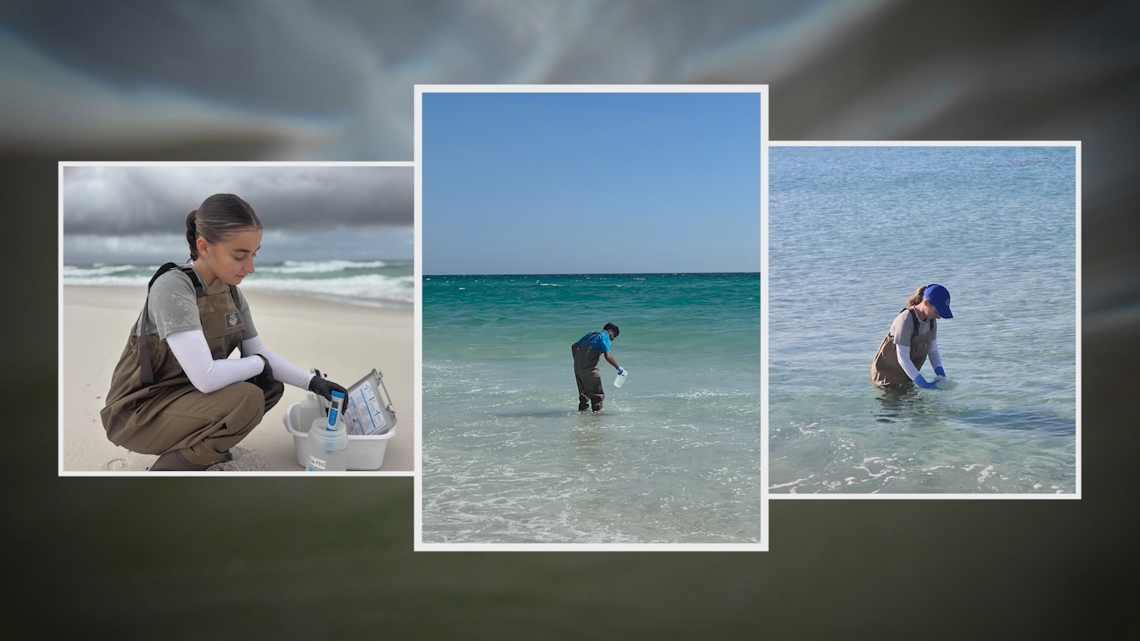
University of Florida researchers will sample waters in Tampa Bay as part of a project to figure out hot spots for the bacteria.
ST. PETERSBURG, Fla. — This is the time of year where we start to head to the beach more often, and maybe indulge in some raw oysters. But both come with a warning during these summer months.
Vibrio vulnificus is bacteria that can be deadly. It lives in warm, brackish sea water. You can contract an infection— either through an open wound or by eating raw shellfish.
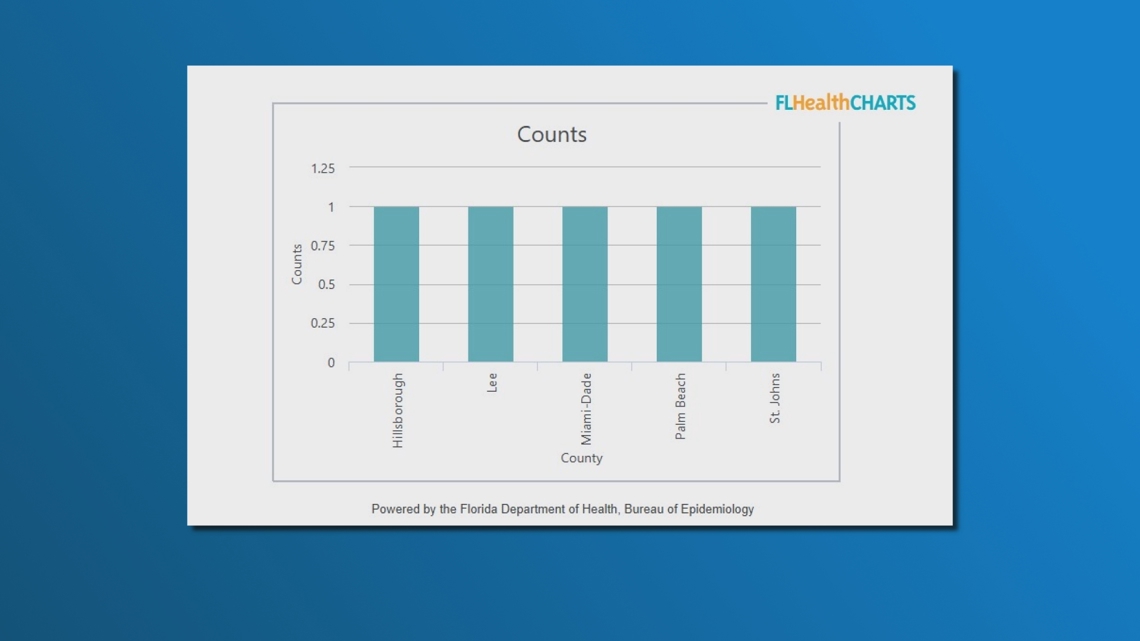
New data from the Florida Department of Health shows there’s already been one case of Vibrio vulnificus this year—also referred to by some as flesh-eating bacteria— right here in Hillsborough County. We expect to see more cases as the water starts to heat up, but researchers at the University of Florida are working on a project right now in hopes to help lower your risk for infection in the future.
Over the past several years, 10 Investigates has spoken with families who say the dip into the water turned deadly. One of them was Wade Fleming, whose mother died after she contracted an infection from Vibrio vulnificus.
“If I had known that, you know, that it was something so severe, we would have stayed, but again, there were no signs, no warnings,” Fleming said.
“If you look at the national trends in this Vibrio vulnificus or so-called flesh-eating bacteria type of infections, we are seeing an increase over the last several years.” Dr. Antarpreet Jutla said.
While infections are rare, Dr. Jutla at the University of Florida and his team are taking water samples across Florida waterways to better understand Vibrio and whether they can identify hot spots for when the bacteria occurs.
“Over the last several years, based on the national trends in Vibrio infections, we are concerned that there might be shifts in the ecological conditions that may favor the growth of some of these Vibrios,” Dr. Jutla said.
He says the ultimate goal would be to develop a prediction system, similar to what we have for weather systems, and let people know where there may be a low or high risk of the bacteria.
“Our idea here is that we have sufficient ecological data sets that can be measured from satellites that then can be used to develop some sort of a prediction matrix to tell us that what is going to be the risk of presence of these pathogens in the water systems. And then, we are hopeful that we should be able to give at least two to three weeks of time, like a lead time warning that these Vibrios may be lurking around,” Dr. Jutla said.
The latest data from the state shows there have been 161 cases of Vibrio in the past 3 years and 35 deaths.
“We are hopeful that it will take us a good, like, one year of intensive water collection to basically see that how the microbiome looks like. So we’re thinking between two to three years we should have a prototype ready for for the water, and then we can identify the hotspots,” Dr. Jutla said.
He expects to be in the Tampa Bay area this summer testing the waters.
While we’ve seen five cases of Vibrio vulnificus statewide so far this year, keep in mind the data is based on where the person went and got treated and not location of the body of water or where they may have eaten shellfish. So, it’s just a good reminder that if you do have an underlying condition or open cuts to avoid exposure to warm waters, and do not eat raw shellfish.