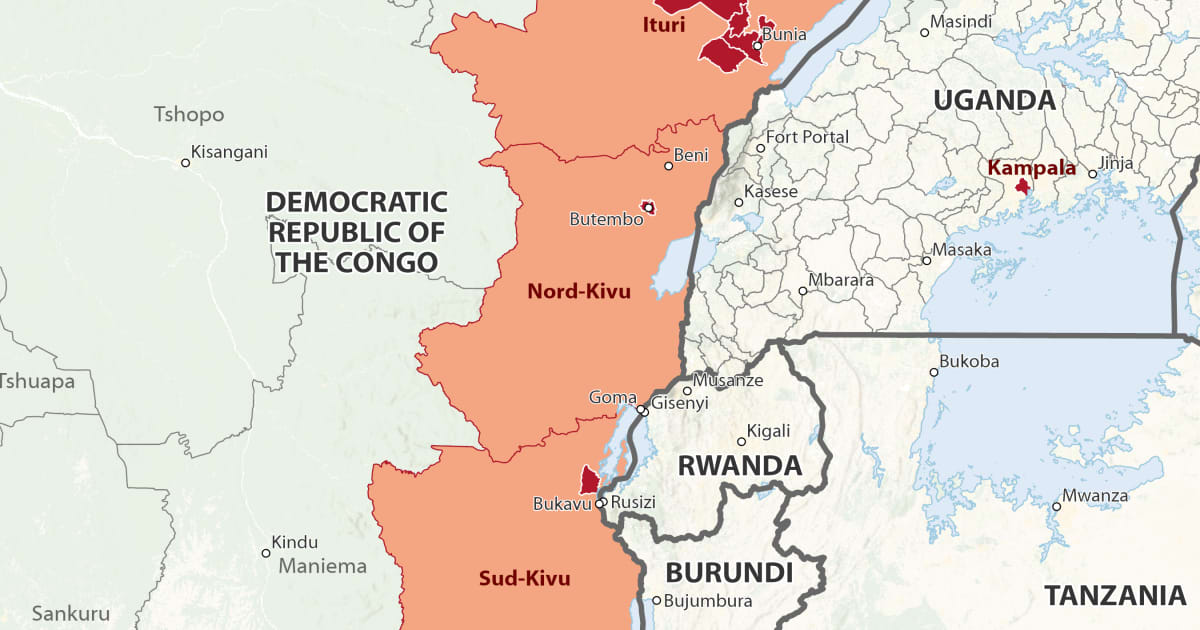
Chowdhury: The CDC currently considers the risk of Ebola transmission to the United States low, though enhanced travel measures are in place for affected countries. Therefore, I would say that, for the public, international travel through major U.S. airports remains low risk. However, travelers should consult and follow CDC guidance before traveling to the DRC, Uganda or nearby areas.
Modern systems can help identify high-risk travelers, detect symptoms and quickly connect people to public health monitoring. However, screening is imperfect because Ebola can incubate for up to 21 days before symptoms appear. Therefore, stronger local health systems, rapid testing and contact tracing remain essential for limiting global spread.
What role do universities like FIU play in global health preparedness and infectious disease research?
Trepka: A key goal is that we have a trained workforce that has developed the competencies needed to investigate infectious disease outbreaks and control them. The Robert Stempel College of Public Health and Social Work has trained many of the disease control specialists in our community as well as professionals at the state and federal level. We cannot predict all the infectious diseases that may threaten our community, but if our students know how to go about investigating outbreaks and containing them, our community is safer.
Chowdhury: At FIU, we support that preparedness and health protection through global health research, training, surveillance, data analysis, community education and partnerships with local and regional health departments. So, FIU can contribute through our global health expertise, student training, and work with different communities closely connected to international travel.
“Even a distant outbreak can teach important lessons about preparedness, which is why global health surveillance to predict outbreaks, global health research and cross-learning are key to maintaining local health in the U.S.”
–Rajiv Chowdhury
Chair, Department of Global Health