
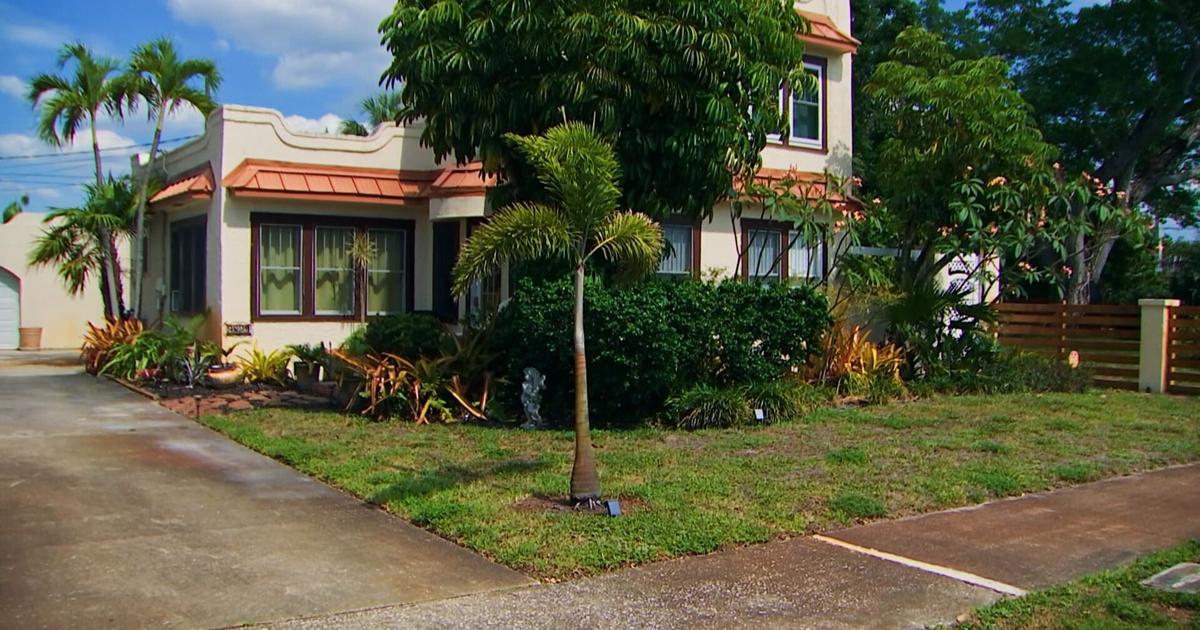
FORT MYERS, Fla. (WINK) — Moving from Los Angeles to Fort Myers in September 2021 was supposed to be a fresh start for Carl and Susan Goldstein. They fell in love with a beautifully remodeled historic home built in 1925 in the Palm Lee Park neighborhood, believing they had found their dream property.
Instead, just one week after moving in, their dream morphed into a toxic nightmare.
“The moving truck comes, we’re noticing weird stuff with the plumbing,” Susan Goldstein recalled. “All of a sudden, sewage starts coming out of the bathtub, and then there’s sewage everywhere. It comes out underneath the toilet, all over.”
The massive backup completely destroyed the home’s kitchen, bathrooms, and laundry room. The resulting air quality was deemed so toxic that the Goldsteins were forced to evacuate. “Insurance finally comes through and says, ‘You can’t be here,'” Carl Goldstein said.
The Sonar Discovery
Determined to find the root of the issue, Carl Goldstein launched a thorough investigation into the home’s history.
Though the property was billed as being fully connected to the city’s municipal sewer system, arriving plumbers and city utility crews hit a wall: they could not locate the main clean-out point, the Goldstein’s told WINK Investigates. It took an array of high-tech diagnostics, including sonar and ground-penetrating radar, to uncover a shocking reality.
The home’s entire waste system was still venting into an old, defunct cast-iron pipe that had been capped and permanently cemented shut.
The roots of the blunder trace back two decades. Between 2004 and 2009, the City of Fort Myers undertook “Phase Four” of a massive municipal infrastructure overhaul designed to relocate aging sewer lines from the rear of residential properties to the front.
The city’s hired contractor for the project, K.E.R. Enterprises, successfully capped and sealed the old line behind the home—but completely forgot to hook the Goldstein property up to the new main line, according to the Goldstein’s and supported by documents given to WINK Investigates. The mistake sat hidden underground for more than a decade, waiting for a family to actually move in and use the plumbing.
Passing the Buck
When the Goldsteins asked Fort Myers to correct the municipal error, they say the city refused to fix it.
“Thirty-five thousand dollars to break open the concrete, find the line, test it, and then put our own line in,” Carl Goldstein said, describing the out-of-pocket costs required just to make the home livable.
The city initially balked at taking responsibility, pointing to a clerical error in an insurance report that erroneously claimed the property used a private septic tank. City officials also attempted to shift blame entirely to K.E.R. Enterprises. However, legal efforts to pursue the contractor stalled when the city discovered the company went out of business years ago.
Left with no other options the Goldstein’s said they decided to take legal action. “We finally had to sue them,” Susan Goldstein said.
A Six-Figure Settlement
The legal battle culminated in a major victory for the homeowners. A Lee County judge determined that even though the city contracted out the physical labor to a third party, the ultimate legal responsibility stops with the municipality to ensure its residents are properly connected to public utilities.
Facing an imminent trial, the Fort Myers City Council voted three weeks ago to approve a $188,653 settlement to reimburse the Goldstein’s for their direct remediation and connection expenses.
Despite the payout, the couple remains frustrated by the emotional and financial toll of the multi-year ordeal, estimating their true aggregate losses to be upwards of $600,000.
“Are we happy about the settlement? No, it’s barely going to pay what this has cost us,” Susan Goldstein said. “We’re unhappy about it, but we’re happy to move forward with our lives,” Carl added.
Could Other Homes Be Impacted?
A spokesperson for the City of Fort Myers downplayed the risk of widespread infrastructure omissions, asserting that the Goldstein case was a highly unique anomaly. “Residents most likely would’ve come forward by now if they experienced this same issue,” the city statement read.
The city further noted that defending the case was severely complicated by a lack of historical evidence. Many disputed project records and witness testimonies from the 2000s overhaul were lost over the decades due to standard document retention limits and warehouse physical damage caused by past hurricanes.
Municipal officials clarified that while any resident experiencing utility issues inside the city right-of-way can submit an official work order request for inspection, any plumbing infrastructure extending onto private property boundaries remains the strict financial responsibility of the homeowner.
If you have a tip or story idea you want WINK Investigates to look into email us at winkinvestigates@winknews.com or call our tip line at (239)-344-5074.