
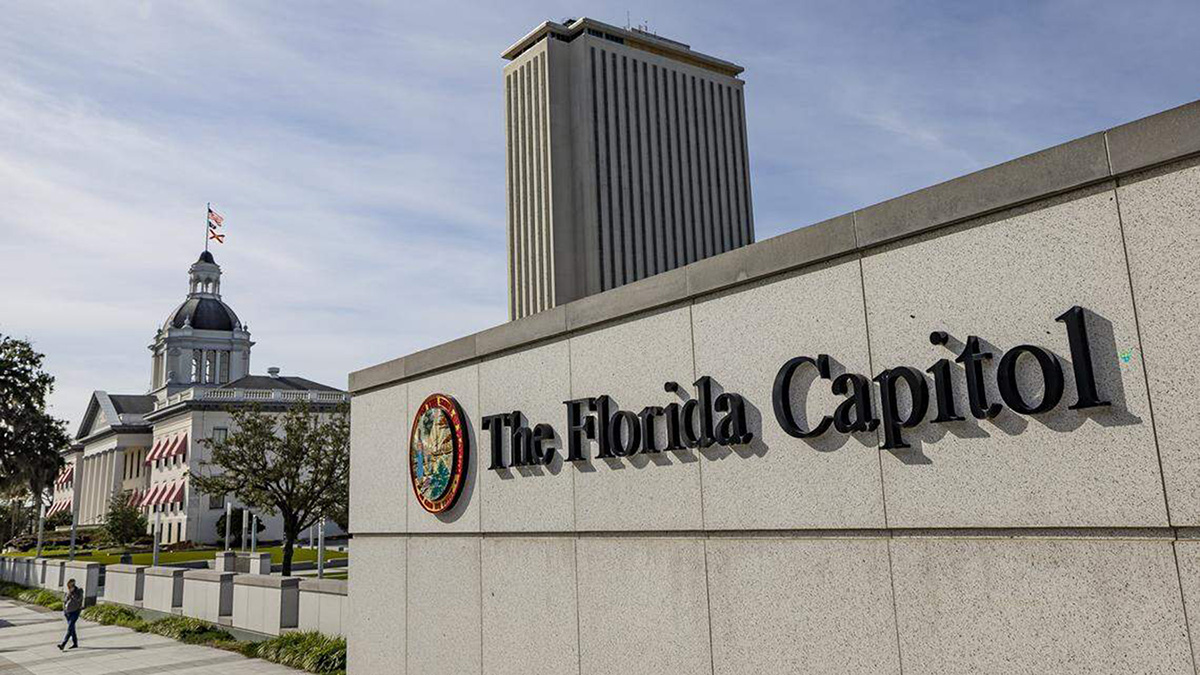
The Florida Legislature on Tuesday approved Gov. Ron DeSantis’ property tax cut plan during a special session in Tallahassee.
The proposal passed 30-9 in the Senate and 75 -26 in the House.
The property tax proposal will appear on the November ballot for voters to consider, and it will require 60 percent support from the electorate to take effect.
Before the plan was approved, lawmakers discussed the feasibility of the plan and also worked to approve changes made on Monday in committee.
One major change was protections for public school funding.
The plan would raise the current the current $50,000 homestead exemption limit to $150,000 in January 2027 and $250,000 in January 2028. But it would not apply to school district levies.
“I mean, me personally, I want to see property tax reform. But I also want to see it in a very responsible way, and it’s like anything else,” State Rep. Alex Rizo. “I mean, I’m one of 120 members, and we all give leadership our opinions, and we’re free to go ahead and voice those opinions.”
Rizo said protecting public school funding was a major concern for lawmakers, and under the bill, future legislators would be able to expand the exemption.
Lawmakers also did away with the trust fund meant to assist rural cities and counties during the transition.
The current bill also lowers the current 10% cap to 5% on annual assessment increases for non-homestead properties like vacation homes, investment and commercial properties and apartments.
A new calculator to determine home property tax savings in Florida is now available online.
Democrats have warned the measure could impact local governments. Senate Democratic Leader Lori Berman of Boca Raton called it “a political stunt that threatens to bankrupt our local communities, close small businesses and jack up rental prices even further.”
Miami Springs Republican Sen. Bryan Avila, who sponsored the Senate measure, explained the state is experiencing the same inflationary challenges as local governments.
“We have worked to rein in spending, pay down debt and save for the future. Local governments must do the same,” Avila said.