
UPDATE —
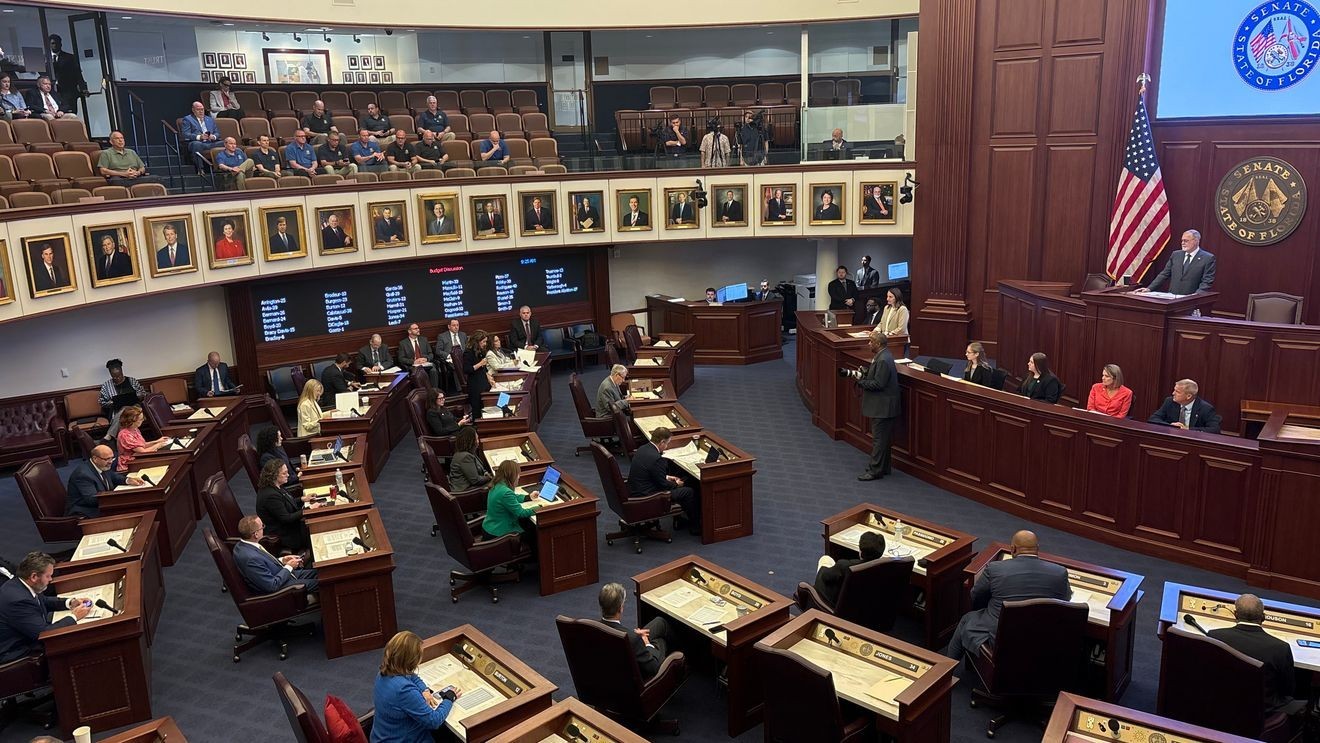
TALLAHASSEE, Fla. — Florida lawmakers have passed a revised property tax proposal, sending the constitutional amendment to voters after making changes to Gov. Ron DeSantis’ original plan.
This is a developing story. Stay tuned for updates.
=====================
ORIGINAL STORY —
TALLAHASSEE, Fla. — Florida lawmakers entered the second day of a special session Tuesday poised to send a sweeping property tax proposal to voters, even as questions remain about how cities and counties would make up for lost revenue used to fund local services.
A final vote is expected later Tuesday on a proposed constitutional amendment backed by Gov. Ron DeSantis that would gradually increase Florida’s homestead exemption from $50,000 to $150,000 in 2027 and $250,000 in 2028. If approved by at least 60% of lawmakers and later by 60% of voters in November, the measure would deliver one of the largest property tax cuts in state history.
The proposal advanced after lawmakers spent Monday revising the governor’s original plan. Changes made during the special session would continue allowing property tax revenue to support public schools, protect constitutional officers and remove a state trust fund that had been proposed to help local governments offset revenue losses.
Still, local governments and taxpayer watchdog groups have warned lawmakers are moving forward without fully understanding the long-term fiscal impact.
“We don’t know the true cost. We don’t know how much local governments may lose,” Sen. Carlos Guillermo Smith, D-Orlando, said during Senate debate Tuesday.
Property taxes fund a wide range of local services, including law enforcement, fire protection, parks, libraries and infrastructure projects. Opponents argue lawmakers have not produced a complete analysis showing how local governments would replace that revenue if the tax base shrinks over time.
Smith said lawmakers are considering a major policy change without the research needed to fully understand its consequences.
“Floridians deserve property tax relief, but they also deserve honest answers,” Smith said.
Supporters counter that homeowners have faced years of rising housing costs and deserve the opportunity to decide the issue themselves.
“Why should our constituents be denied the opportunity to vote?” Sen. Ileana Garcia, R-Miami, asked colleagues on the Senate floor.
Garcia argued the proposal would give homeowners relief while forcing local governments to be more accountable for spending decisions.
“I think that what we’re trying to do here today allows our homeowners to finally have a voice to vote for relief from burdensome property taxes,” Garcia said.
The debate highlighted a broader divide in Tallahassee: whether lawmakers should settle the policy questions now or allow voters to weigh the tradeoffs themselves.
Sen. Jason Pizzo, who has no party affiliation, acknowledged concerns about the proposal’s potential impact on local services but said voters should ultimately decide its future.
“I do want to put it on the ballot. I do want to leave it to our constituents to decide and determine their own fate,” Pizzo said.
Critics also questioned the speed of the special session, arguing lawmakers should have spent more time studying the issue before asking voters to consider it.
“Do you really think in these two days we created the best product we possibly could?” Sen. Tina Polsky, D-Boca Raton, said during debate.
Polsky and other opponents unsuccessfully pushed amendments aimed at changing the ballot language and clarifying how the proposal could affect local government spending authority.
Despite those concerns, the measure appeared on track for final approval Tuesday.
If lawmakers ultimately sign off on the proposal, the fight over property taxes will move from the Capitol to voters statewide, setting up what could become one of the most consequential tax debates in modern Florida history.