
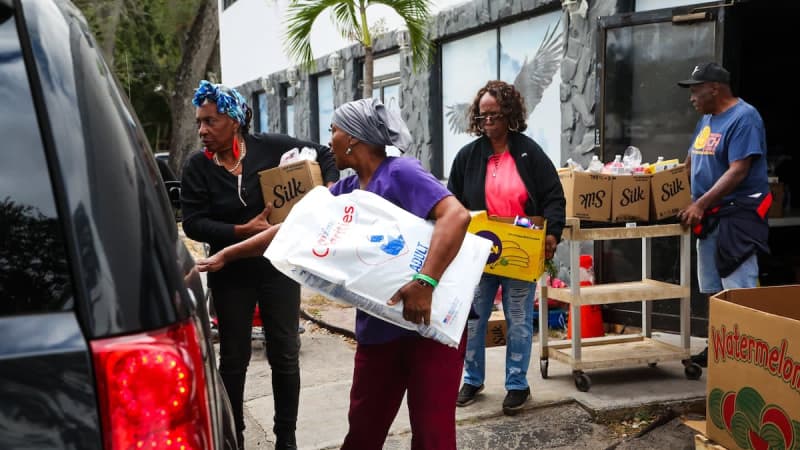
The meat was long gone. They were also out of milk.
“We’ve got to give them something,” said Samantha Richardson, president of Gathering of Women, as another worker heaved a giant bag of carrots off a nearby pallet.
Volunteers started compiling boxes of potatoes, carrots and onions, while the line of cars outside kept growing. This week, hundreds of thousands of Tampa Bay residents are bracing for the loss of grocery assistance, amid a government shutdown that’s lingered nearly a month.
Funding for the Supplemental Nutrition Assistance Program, sometimes called food stamps, was set to run out this week. Existing balances on users’ EBT cards would still be available, but no new funds were to be distributed in November, or until the government reopens.
Two federal judges on Friday ruled the Trump administration must continue funding SNAP with contingency funds, citing its significance in the nation’s social safety net. The administration is likely to appeal.
But charities in the region are already seeing impacts of the potential freeze. Many had previously expanded services for federal employees furloughed or working without pay.
“It’s so unbelievable what’s happening right now,” Richardson said.
The Gathering of Women food pantry has offered drive-thru distribution every week since the pandemic. On Thursdays and Fridays, Richardson said they usually see around 150 cars.
This week, more than 250 cars visited Thursday, and nearly 300 on Friday. As they prepared to close their doors at 1 p.m., the line still stretched around the building.
Megan Layne, 45, had never visited the pantry before Friday. She works full time and has a decent job, she said, but still needs SNAP to make ends meet and feed her children.
“It’s going to really cut into my budget a lot,” Layne said as she waited in line.

More than 150,000 households in the metro use SNAP, U.S. Census data shows. Almost 40% are living below the poverty line, and more than half live in areas where the median household income is less than $60,000 a year.
Nearly half the Tampa Bay families using SNAP include children. A similar proportion includes senior citizens.
The program was already in long-term danger. In June, the One Big Beautiful Bill Act cut funding by an estimated $186 billion over 10 years and leaves it to states to make up the difference. The program has long been funded by the federal government and operated by the states.
New work requirements implemented by the bill also go into effect Nov. 1, nixing waivers previously available to aging adults, parents of kids over 14, former foster youth, the homeless and veterans. These groups will now need employment or will lose out on benefits.
“Some folks may be making it OK because they have their SNAP benefits,” said Clara Reynolds, president and chief executive officer of the Crisis Center of Tampa Bay. Without them, “the money you may have been utilizing to pay your electric bill or your rent, you may not have the dollars to do that.”
The center has received around a hundred calls from federal workers since the shutdown began, and is expecting an influx of callers next week due to the SNAP freeze, Reynolds said.
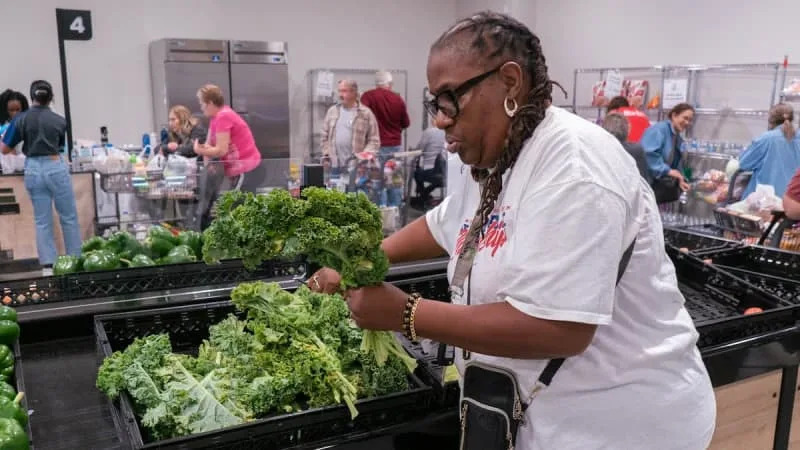
Feeding Tampa Bay had already expanded its pick-up locations and distribution hours in the last month. Before, the organization was serving between 8,000 and 9,000 meals a day, said CEO Thomas Mantz. Now, it’s closer to 20,000.
The nonprofit is now ramping up to stage emergency response food distributions for people losing SNAP, partnering with organizations across 10 counties.
Sarah Combs, president and CEO at Metropolitan Ministries, said the nonprofit’s food markets served around 1,200 families in the last month, doubling the typical amount. About a quarter of those clients were brand new to the organization, she said.
Next month, Combs said her team is anticipating around 4,000 families due to the SNAP freeze.
Metropolitan Ministries also has expanded rent and utility assistance programs and counseling sessions. Compounding the current crisis, she said, are the community’s long-term challenges: increased housing costs, energy prices and ongoing recovery from last year’s hurricane season.
“It’s not just a food security issue we’re seeing,” she said.
Churches and community centers are arranging free lunch programs, hot meals and pantry openings. Some local restaurants are offering free to-go meals to people affected by the shutdown.
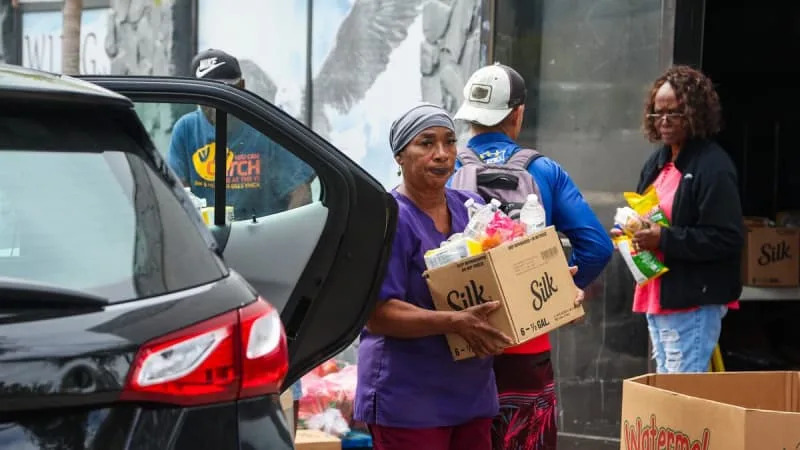
“I’m just so heartened, that even when the government is making this egregious failure…people in Tampa Bay are stepping up to make sure their neighbors aren’t hungry,” said Kas Miller, who created a website tracking as many food resources as she could across the region. The site now has 91 pantries and the list is growing.
Food banks and charities are relying primarily on donations to meet the increasing needs of the region, leaders said – but it’s not clear how long they can maintain this new pace.
Mantz said Feeding Tampa Bay will increase hours and access as much as possible and for as long as possible, but that there is no “rainy day fund.”
“Organizations like ours have been asked to step into wider and wider gaps in the safety net…and all of us have expanded our services and programs dramatically,” he said. “We can’t keep up the level of expansion that we’ve had. We’re not going to solve this problem philanthropically.”
Likewise, Metropolitan Ministries has long relied upon donations and food drives to stock its pantry, Combs said. But donations are now down about 60% – a sign that families who were previously able to give extra, no longer can.
“There’s always hope in knowing our Tampa Bay community has always been so generous in meeting that need,” Combs said.