
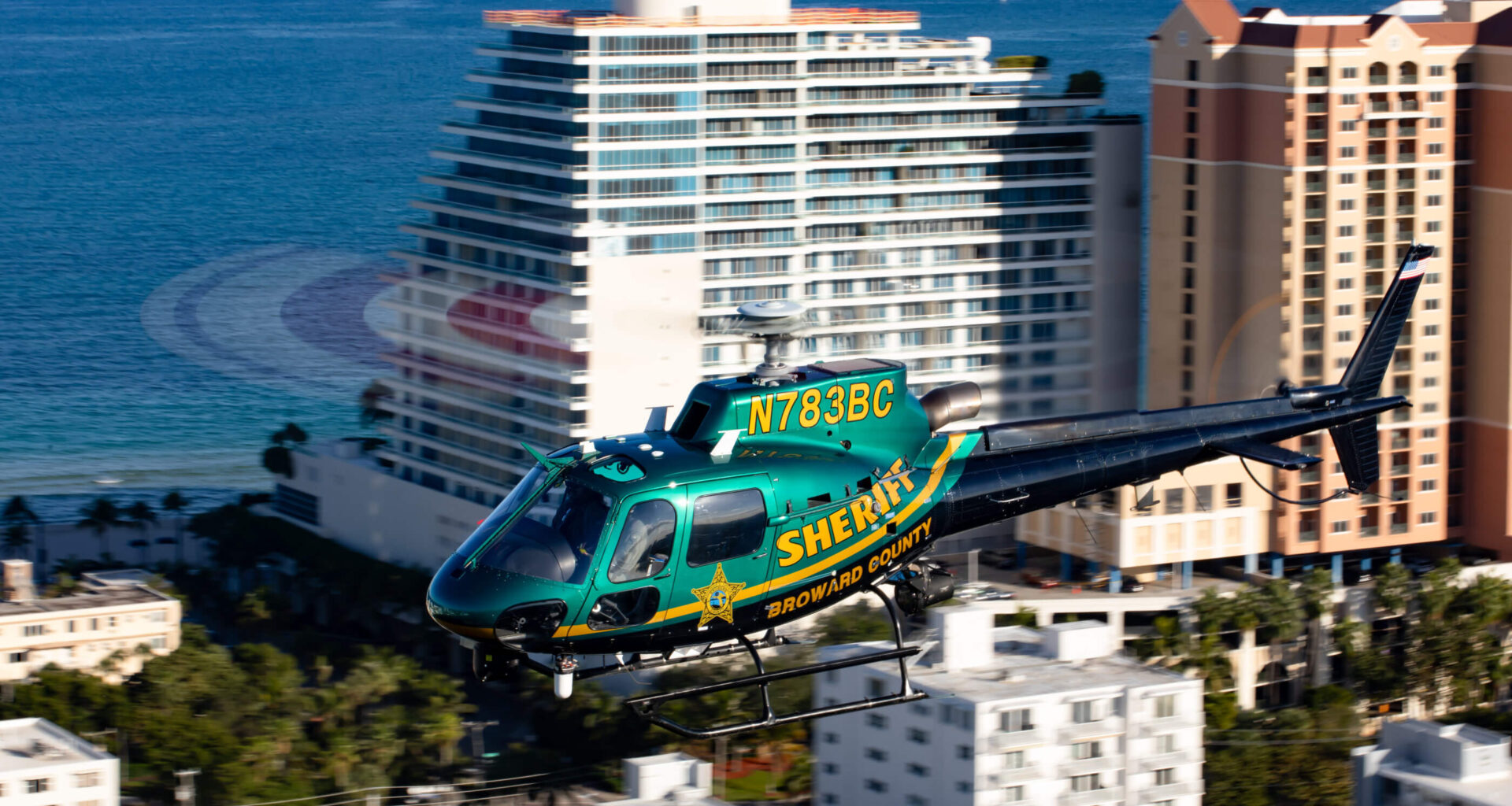
Each year, APSCON brings together the people, technology, and ideas shaping public safety aviation. In 2026, that gathering heads to Fort Lauderdale, Florida, where APSCON and APSCON Unmanned will run July 13-17 under the banner of the Airborne Public Safety Association (APSA).
Ahead of the event, Jon Gray, co-host of the Hangar Z Podcast, sat down with APSA CEO and executive director Dan Schwarzbach, APSA president Dave Ellis, and Broward Sheriff’s Office Sgt. Paul Sada to talk through what attendees can expect — from the decision to host in South Florida to the growing role of unmanned systems and the enduring value of face-to-face connection.
 Brent Bundy Photo
Vertical Valor Plus: Why was Fort Lauderdale selected as the host city for APSCON 2026?
Dan Schwarzbach: We try to move the event around the country, looking for sites that either we haven’t been to before or that have been successful for us in the past. This is going to be pretty far south for us in Florida. We haven’t held it there before, but after meeting with the Sheriff’s Department and seeing the level of support we’re getting, it was pretty easy to decide that Fort Lauderdale would be a great place to go.
When we were looking at it, the entire convention center campus had just undergone a brand-new expansion. The new campus is beautiful, and I think it’s going to serve us really well. One of the things that’s really nice is that right outside the convention center, there’s a water taxi. It takes you to restaurants, bars, parks, and shopping areas.
VV: How is APSA approaching the integration of manned and unmanned aviation?
Dan Schwarzbach: We started a second unmanned show several years ago — a public safety drone expo — and ran three or four versions of it. When we brought it back in 2022, we decided that instead of having a separate event, we would combine the two.
We can offer two separate training tracks — manned and unmanned — while sharing a single exhibit hall. So far, it’s worked out really well.
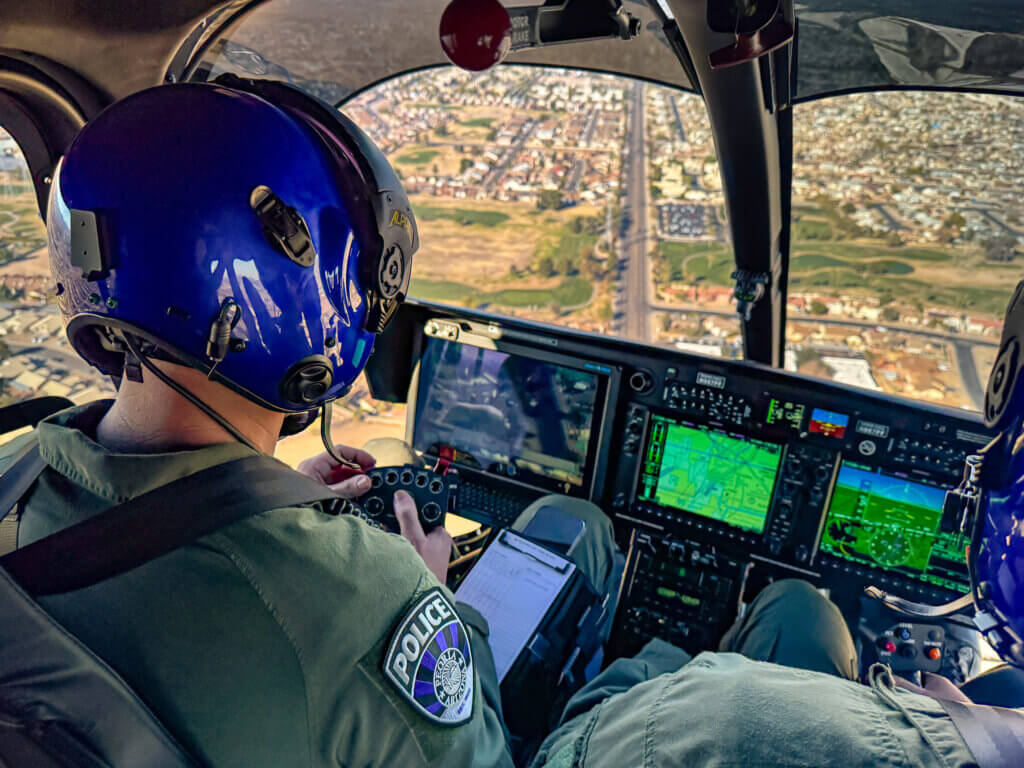
Dave Ellis: A lot of the tactics that UAS pilots are learning right now are already well established in the manned aviation world. Being able to pass on those tricks and tips we’ve used for years to new operators in the UAS space is critical.
It’s a growing segment of the public safety aviation industry, and seeing them come together, learn from each other, and determine which tool works best for each mission is important. I’m glad to see APSA is really leading the way on that.
 Brent Bundy Photo
VV: How should attendees approach APSCON to get the most out of it?
Dan Schwarzbach: Take full advantage of every opportunity, whether it’s in the classroom, one of the courses we’re offering, or a networking event.
Be ready to network and exchange information — that’s where the true value of the conference lies. Make the most of that time while you’re there.
Dave Ellis: There are tremendous classes and great opportunities to connect with vendors. But one of the most valuable aspects is those informal conversations, where you can pick someone else’s brain and find out what’s happening across the industry.
Paul Sada: I couldn’t agree more. Network and get to know what others are doing — people you don’t know or haven’t met from other organizations.
You’d be surprised how, a couple of months down the road, you’re calling someone across the country and getting valuable information that helps move you forward.
 Lloyd Horgan Photo
VV: Why are awards and recognition important to APSA and its members?
Dan Schwarzbach: The awards and scholarships program is one of the most rewarding programs we offer. Each year, we present seven awards that recognize excellence within the public safety aviation community.
One of the things we do is nominate our award winners for other industry awards, which helps extend that recognition even further.
That recognition can benefit aviation units as well — it can help support the case for additional equipment and resources, as it brings a level of international visibility through APSA.
VV: What can attendees expect from the event itself?
Dan Schwarzbach: We’ll be offering a range of standard courses — some three days, some two days, and some one day — and we’re always looking for new instructors and presentations.
This year’s lineup includes the aviation safety officer course, aviation unit manager course, fixed-wing operator course, and thermographer certification course.
We’ll also offer the SMS course, flight instructor refresher course, maintenance IA renewal, ground school refresher, and air group operators communications equipment course.
On the unmanned side, courses include the public safety drone operators course, drone unit manager course, UAS proctor course based on the NIST test methods, and counter-drone course.
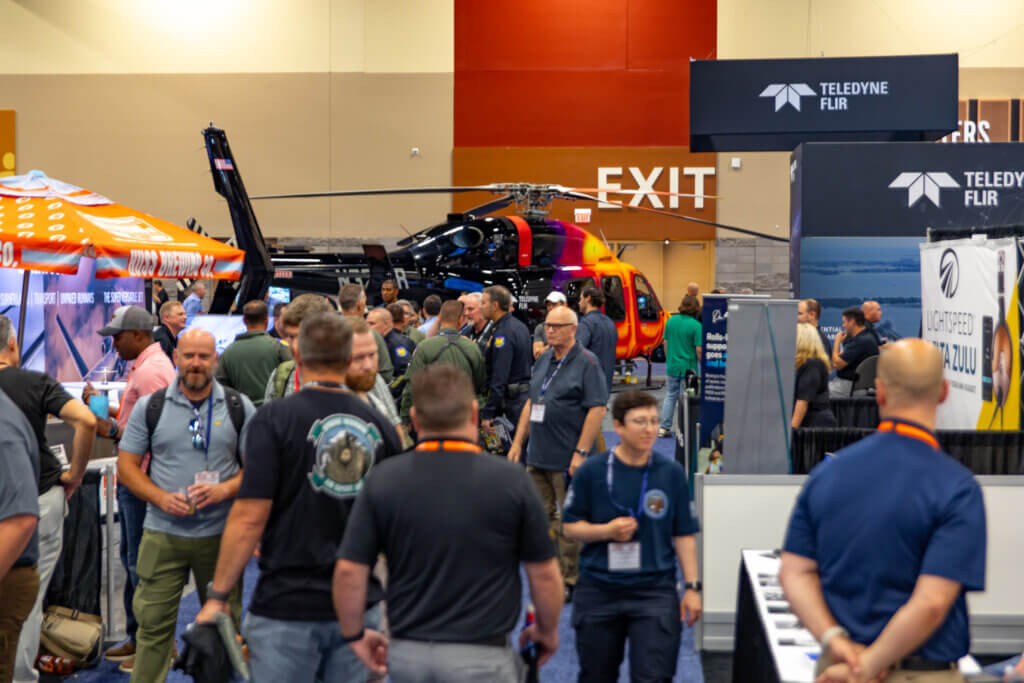
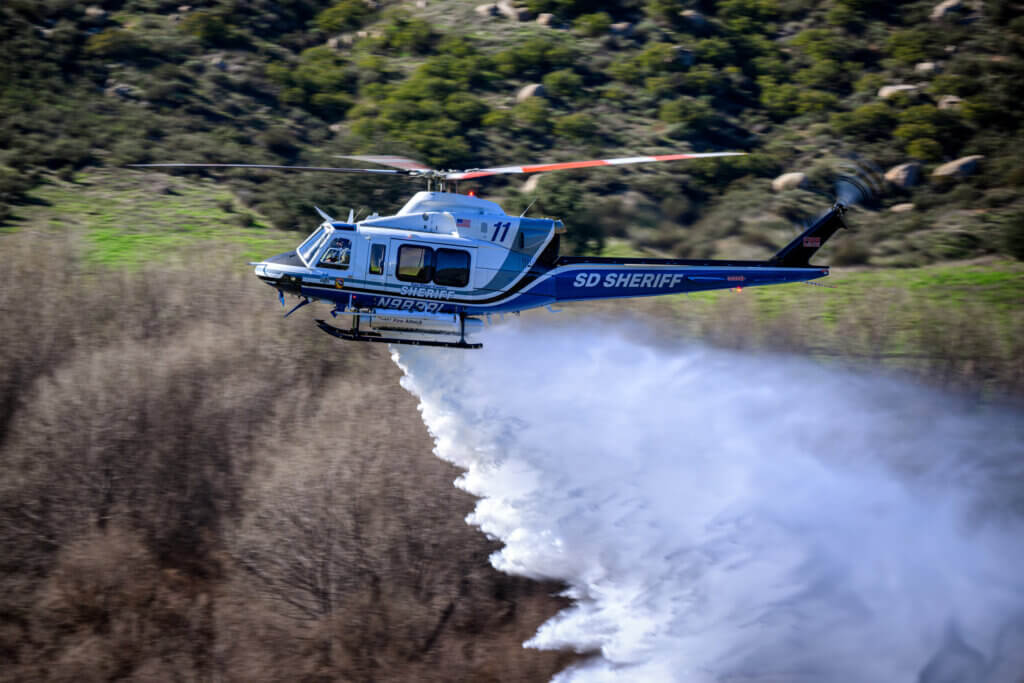
We’ve also seen strong vendor interest this year. I believe we’re already up to 16 helicopters, which will be a great number for us.
 Lloyd Horgan Photo
Dave Ellis: One of the things I really appreciate about APSCON is the opportunity to meet with vendors.
I encourage our members to spend time on the convention floor, seeing the latest products and talking with representatives from the companies they work with.
There’s real value in those one-on-one conversations — being able to see new products firsthand and learn about the latest technology coming to market.
VV: Why should people attend APSCON 2026?
Dave Ellis: It’s an exciting time. I think it’s the flagship event for us — the one everyone in public safety aviation wants to attend.
Paul Sada: Be prepared to have a good time. I look forward to it every time, no matter where the conference is. The group grows each year, and it’s a lot of fun. We’re really excited and looking forward to it.
Editor’s note: This interview has been adapted from an episode of the Hangar Z Podcast and edited for length, clarity, and flow. Responses may combine excerpts from longer answers while maintaining the speakers’ original intent.