
A Miami shipping operation has had its local business licenses revoked after a federal agency caught a vessel traveling from the Miami River to the port of Mariel, Cuba, carrying cement with no legal authorization to do so.
Miami-Dade County Tax Collector Dariel Fernandez said his office revoked the Local Business Tax Receipts of Cargo Caribe LLC, along with Harkham Shipping LLC and MV Tinto Shipping LTD, the companies that operated the terminal and vessel used in the unlicensed shipment. According to federal authorities, the vessel traveled from the Miami River to Mariel, where the cement cargo was offloaded, all without the proper authorizations required under federal law.
The action is one more in a series Fernandez’s ongoing enforcement drive. While some of his previous actions have triggered criticism for lacking direct federal confirmation of wrongdoing, in this case the tip came directly from a federal agency that tracked the vessel’s movement and confirmed the offloaded cargo.
That distinction also matters legally. A Miami charter flight company, Xael Charters, sued Fernandez in late 2025, asking a federal court to keep his office from shutting down their business and to declare that the state law he said covered his actions, unconstitutional. Xael Charters argued his office had targeted them without ever sending the required notice letters. Fernandez filed a motion to dismiss that lawsuit, defending his office’s actions as squarely within legal authority.
“Miami-Dade County will not be used as a base of operations for businesses that break the law, bypass federal requirements, or engage in unauthorized commerce connected to the Cuban communist dictatorship,” Fernandez said.
The action comes during escalating federal pressure on Cuba-related commerce. On May 1, 2026, the Trump Administration signed Executive Order 14404, significantly expanding U.S. sanctions on Cuba and introducing a broad sector-based framework that now exposes foreign companies and financial institutions to secondary sanctions risk. The order designated GAESA, Cuba’s military-controlled commercial conglomerate, as sanctions target just days later.
The penalties for violations are severe. Administrative fines can reach up to $250,000 or twice the amount of the illegal transaction, whichever is greater, while criminal penalties include fines up to $1 million and imprisonment for up to 20 years for individuals who knowingly violate the rules.
This week’s action is not the first time Fernandez has moved against Cuba-linked businesses. Last year, his office reviewed 75 companies and asked them to provide documentation proving they held permits from OFAC and/or the Bureau of Industry and Security. Of those, 48 businesses demonstrated compliance; the rest faced license revocations after failing to respond to a second warning.
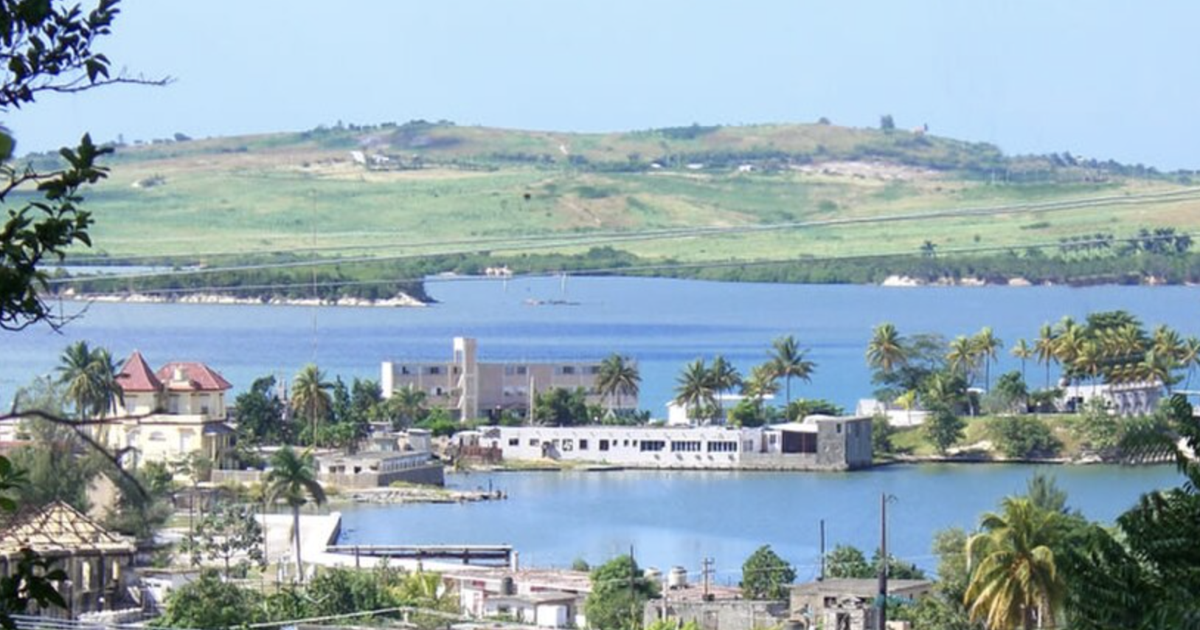
The destination, Mariel, is located about 25 miles west of Havana, is one of Cuba’s primary cargo hubs, handling cement, oil, bulk sugar, and general goods. The port has been heavily developed in recent years as a special economic zone, making it a focal point for international shipping activity, and a magnet for U.S. sanctions enforcement.
“This is about the rule of law,” Fernandez said. “It is about protecting honest businesses that follow the rules and making clear that companies connected to fraud or unlawful commercial activity will not receive a free pass in Miami-Dade County.”
The Tax Collector’s Office said it has notified the City of Miami of the revocations and will continue coordinating with federal, state, and local partners as part of its ongoing compliance review.