
At first glance, Florida’s proposed property tax amendment appears to be about taxes. It is not. Or at least it is not only about taxes.
Like many Floridians, I initially focused on the proposal’s impact on property tax bills and local government revenues. Those are important issues. But after studying the amendment more carefully, I have come to believe that the most important issue raised by the proposal is not taxation at all.
It is governance.
Who decides what local communities value? Who decides which services deserve public funding? And who decides what constitutes a legitimate public purpose? Those questions go to the heart of local self-government.

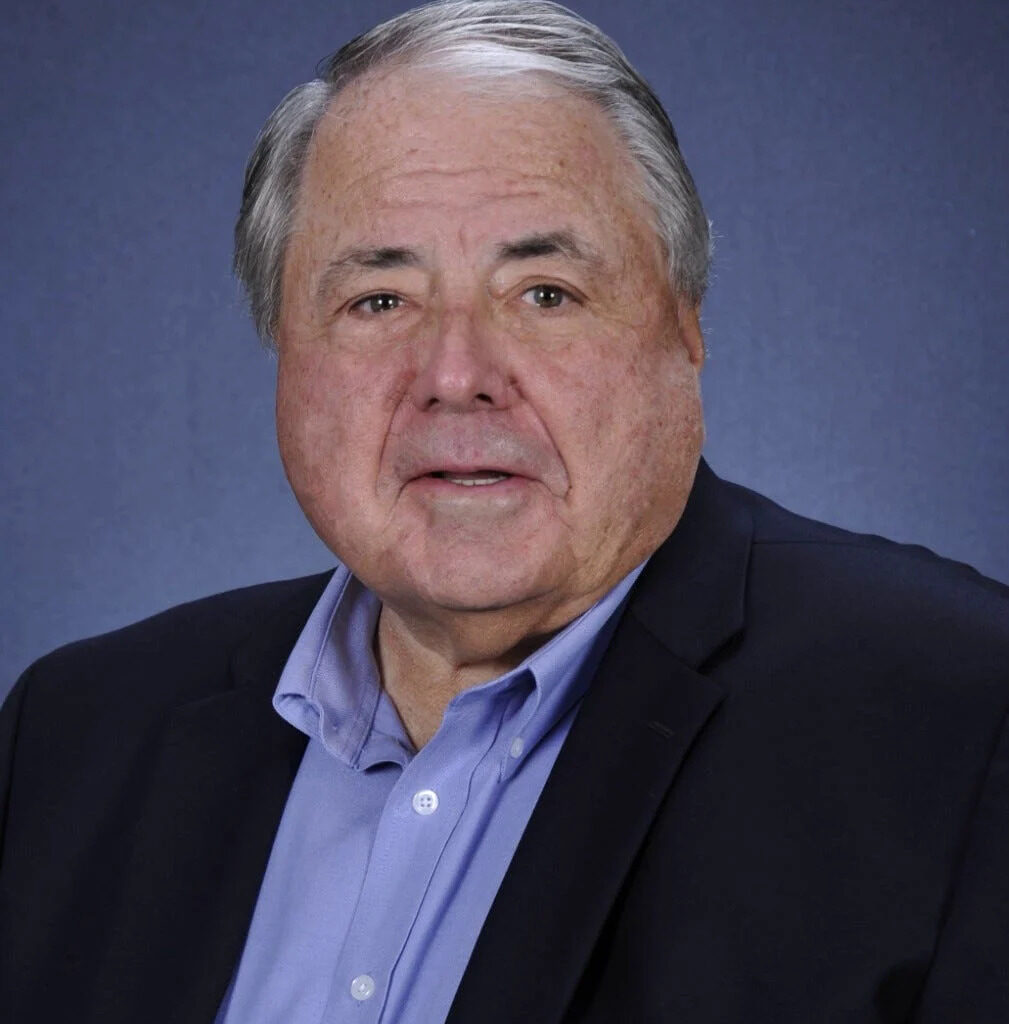
Chris Corrie
The amendment would not simply increase the homestead exemption. It would also limit how local governments may spend property tax dollars that are collected. In other words, even after local taxes are levied and paid, local governments could face restrictions on how those dollars may be used.
At first glance, that may sound reasonable. Taxpayers want accountability. They want assurance that tax dollars are spent wisely.
The challenge is that the list of permitted expenditures appears to focus on what the Legislature considers “core government functions” or “critical public needs.” The problem is that many of the services residents value most may not fit neatly within those definitions.
Consider parks. Most residents would agree that parks improve quality of life, protect property values, provide recreational opportunities, and help attract families and businesses. Yet parks are not police departments, fire departments, or road maintenance operations.
Consider libraries. Libraries provide educational opportunities, workforce development resources, internet access, and community gathering spaces. Yet they may not qualify as a core public safety function.
Consider cultural facilities, community centers, environmental programs, historic preservation efforts, tourism initiatives, or public-private partnerships that improve a community’s character and economic vitality.
The challenge is that Florida is home to more than 400 municipalities, each with unique priorities, economies, and community values. A one-size-fits-all approach to local government spending may sound attractive in Tallahassee, but it is difficult to apply across such a diverse state.
What works in Bonita Springs may not work in Pensacola. What makes sense for Naples may not make sense for Miami.
A coastal tourism community, a rural agricultural town, and a major metropolitan city all face different challenges and opportunities. Local governments have traditionally been given the flexibility to respond to those differences because they are closest to the residents they serve.
In Bonita Springs, the city partners with the Wonder Gardens, a nonprofit organization that preserves one of the community’s most treasured landmarks. Is that a core government function?
The city has also explored creating an arts district near the historic Liles Hotel property. Such a district could attract visitors, support local artists, strengthen downtown businesses, and diversify the local economy. Is that a critical public need?
Reasonable people may answer those questions differently. But that disagreement highlights the real issue. This debate ultimately brings us back to governance, not taxes.
Should local priorities be determined by locally elected officials who live in the community, participate in public workshops, listen to residents, and can be voted out of office if they make poor decisions? Or should those priorities be determined by legislators in Tallahassee who must write rules applicable to every city and county in Florida?
The debate over property taxes should not be reduced to whether taxes should be higher or lower. The more important question is who gets to decide how communities invest in their future.
If voters approve this amendment, they will not simply be changing the way local governments raise money. They may also be changing who decides how that money can be spent. That is a governance question. And before Floridians answer it, they deserve a full and thoughtful discussion of what local self-government should mean in the Twenty-first Century.
Chris Corrie is a Bonita Springs City Council member. He was a certified public accountant and partner with PricewaterhouseCoopers.
This article originally appeared on Naples Daily News: Who decides local priorities? Local officials or Tallahassee | Opinion