
SARASOTA, Fla. (WWSB) – A Florida elections bill approved by the 2026 Legislature would add new citizenship verification steps for voter registration applicants and require candidates to disclose whether they hold citizenship in another country.
The enrolled bill, CS/CS/HB 991, makes a series of changes to Florida election law. Most provisions would take effect Jan. 1, 2027, though some sections have different effective dates.
The bill defines what documents may be accepted as evidence of U.S. citizenship. The list includes an original or certified copy of a U.S. birth certificate, a valid and unexpired U.S. passport, a naturalization certificate, a Consular Report of Birth Abroad, certain Florida driver licenses or ID cards showing U.S. citizenship, certain government-issued photo IDs showing citizenship, or a federal court order granting citizenship.
Under the bill, Florida’s online voter registration system would compare applicant information with records maintained by the Department of Highway Safety and Motor Vehicles.
Sarasota County offers help for drivers with suspended licenses
If those records show the applicant has provided acceptable evidence of U.S. citizenship, the application would be sent to the supervisor of elections and the applicant’s legal status as a U.S. citizen would be recorded in the statewide voter registration system.
If DHSMV records indicate the applicant is not a U.S. citizen or has not provided acceptable evidence of citizenship, the system would notify the supervisor of elections that the applicant’s citizenship status could not be verified.
The bill outlines procedures for voters who are identified as potentially ineligible. Supervisors of elections would be required to notify those voters by mail within seven days after receiving certain information.
The notice would tell voters they may be required to vote a provisional ballot. It would also warn that a ballot may not be counted until a final eligibility determination is made.
The legislation adds new requirements for candidates.
Party candidates would have to state that they have been registered members of that party for at least 365 consecutive days before the beginning of qualifying. Candidates also would have to file an oath or affirmation stating whether they are a citizen of another country in addition to being a U.S. citizen.
For federal candidates, the bill includes additional stock-trading disclosure language tied to whether they intend to trade stocks while serving in office.
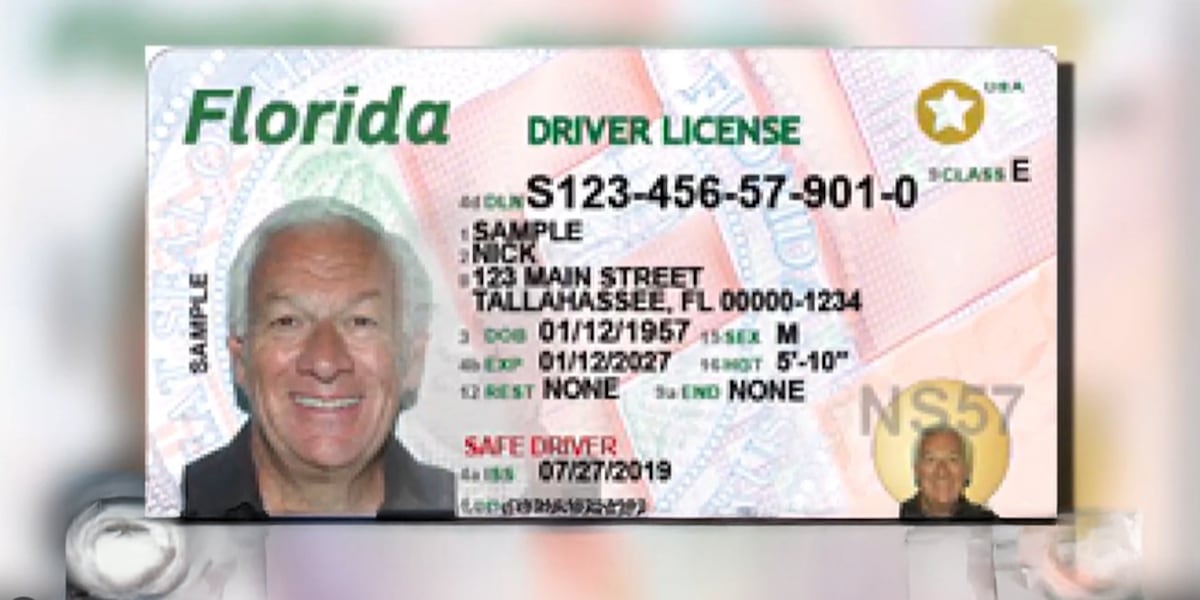
Another provision would require Florida driver licenses or identification cards issued to qualified U.S. citizen applicants to include the person’s legal citizenship status by July 1, 2027.
The bill also creates a five-year time limit for prosecuting felony violations under the Florida Election Code. That section would take effect July 1, 2026.
Local supervisors of elections would be responsible for carrying out several of the changes if the bill becomes law. That includes processing notices, reviewing eligibility information and updating voter registration records.
Copyright 2026 WWSB. All rights reserved.