
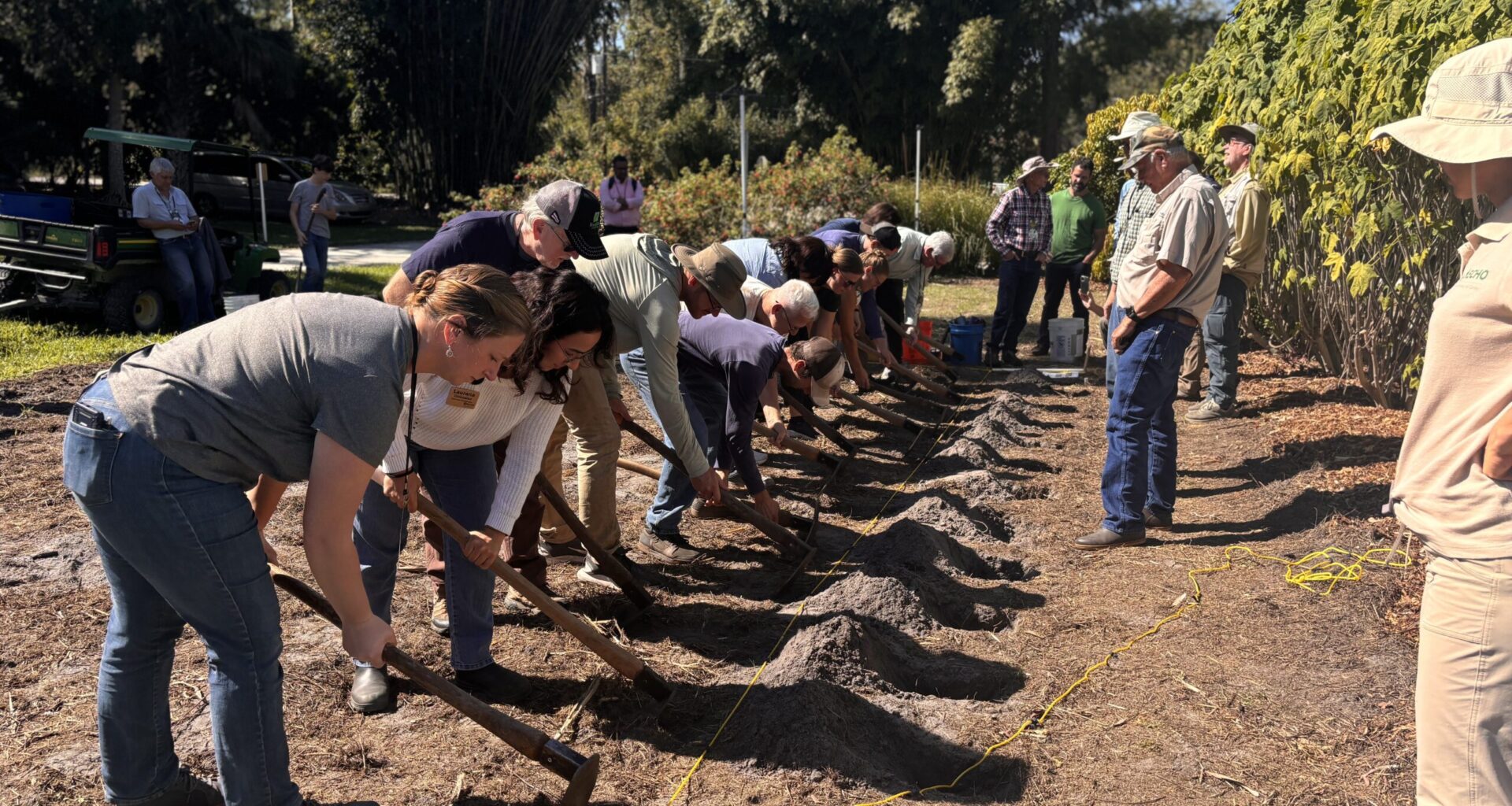
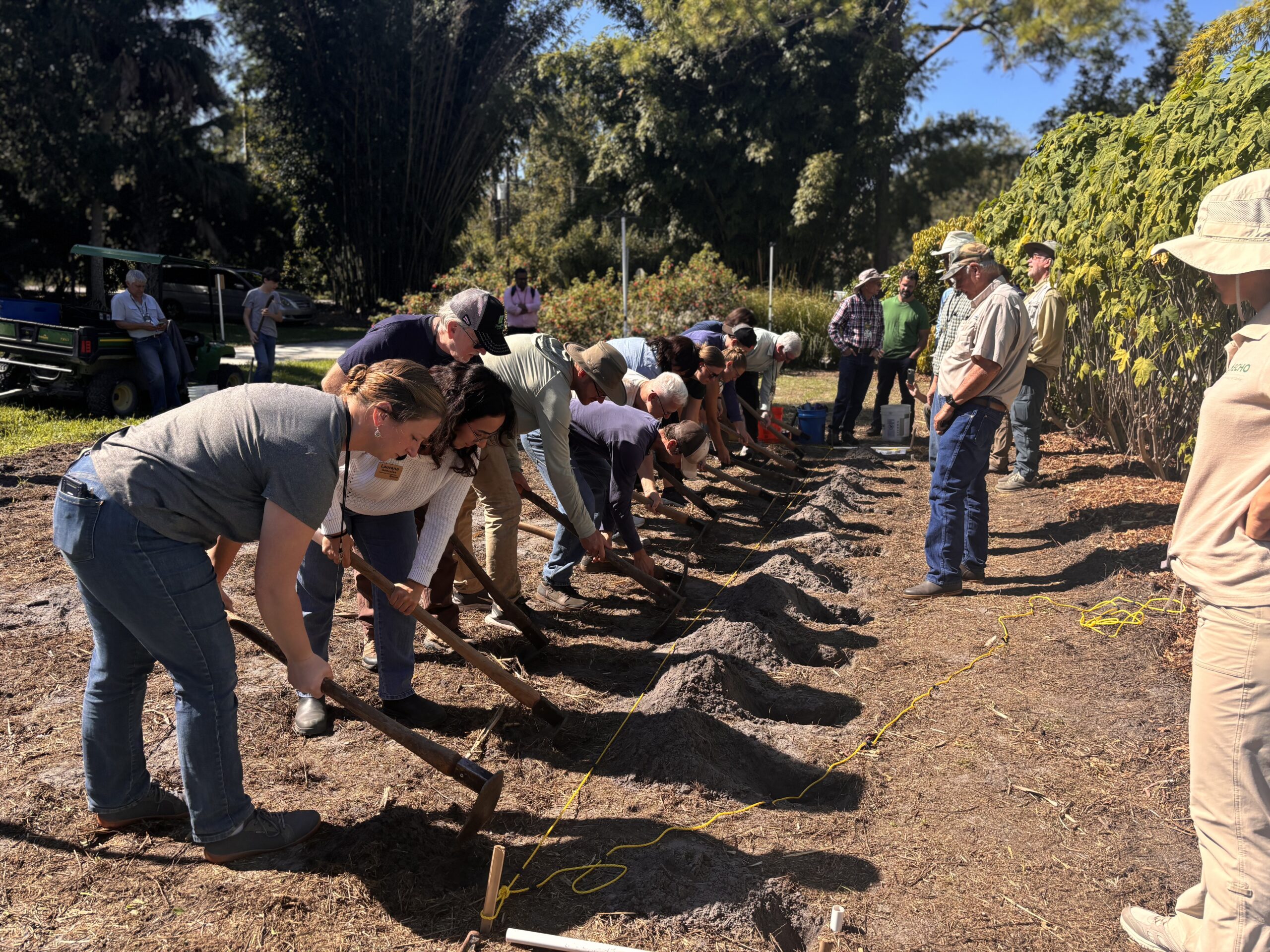
ECHO hosts workshops where people can learn more about different farming techniques. -COURTESY PHOTO
ECHO is a global organization that is working to end hunger around the world. And while the nonprofit has served people in 190 countries, it holds its roots right here in Southwest Florida.
ECHO was started around 40 years ago in North Fort Myers, and while the organization has expanded globally, it is still based out of that same location.
Elliot Toevs, one of the members of ECHO’s leadership team, says the organization is unique in that it focuses on teaching people how to grow and sustain their own food sources, especially in areas where hunger is a major issue.
“There’s the old adage, ‘Give a man a fish, feed him for a day, teach him how to fish and feed him for life,’” said Toevs. “And while it may be cliché, I think it is still appropriate for what we do. We work towards strengthening the capacity of local farmers around the world.”
ECHO has helped small farming communities on almost every continent. They’ve also developed seed banks at their Asia Impact Center and East Africa Impact Center, offering free trial packets of hard-to-find seeds that thrive in their respective regions. Last year alone, ECHO provided almost 12,000 seed packets to communities in need.
Creating change in Southwest Florida
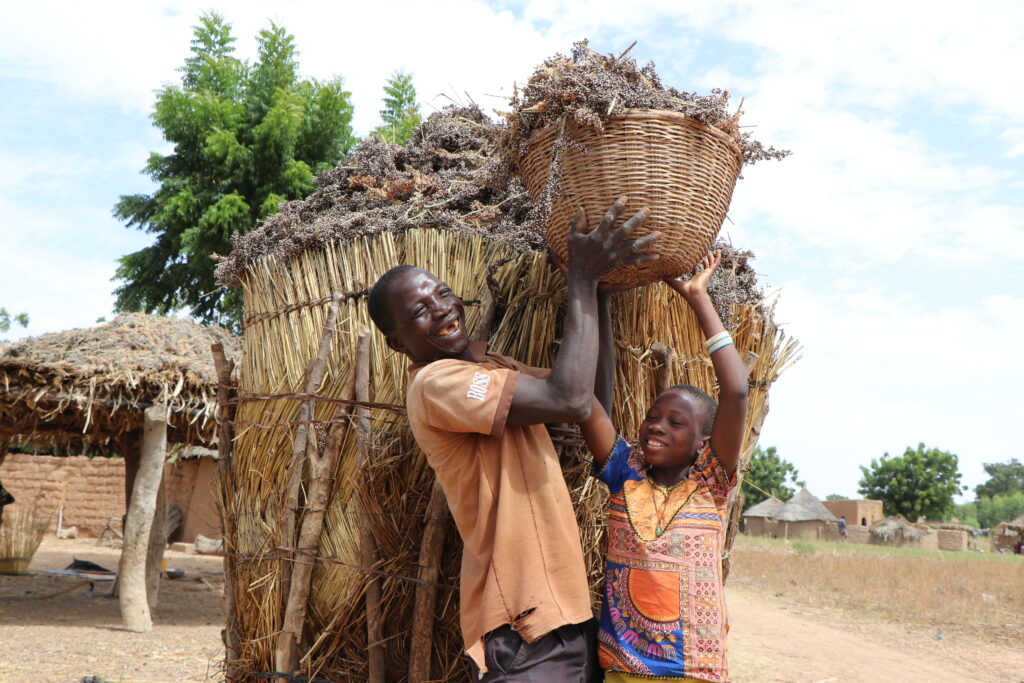
ECHO helps farmers around the world. -COURTESY PHOTO
Given all of the important work ECHO does globally, they are still headquartered in Lee County. Toevs said the location was chosen with purpose, as Southwest Florida is considered a sub-tropical climate and most of the world’s malnourished and hungry live in the tropics. So, it’s easier to learn transferable farming techniques in a similar climate zone.
In addition to the practicality of location, Toevs says the community support from the area has been a major asset. In fact, ECHO started from a local church donating five acres of land to support the nonprofit in its infancy.
“Utilizing our connections within the local community really has enabled us to do work all around the globe,” said Toevs. “And so, from very humble beginnings here, just being able to plug into the Southwest Florida community and continue year after year to have people come and learn about the work, take a tour, volunteer or support financially or prayerfully. It’s been just a real honor and privilege to be in Southwest Florida.”
Growing the next generation
Volunteers are the backbone of ECHO and the community response in Southwest Florida has been strong. So much so that ECHO created an immersive internship program for young people who want to really dig into this important cause.
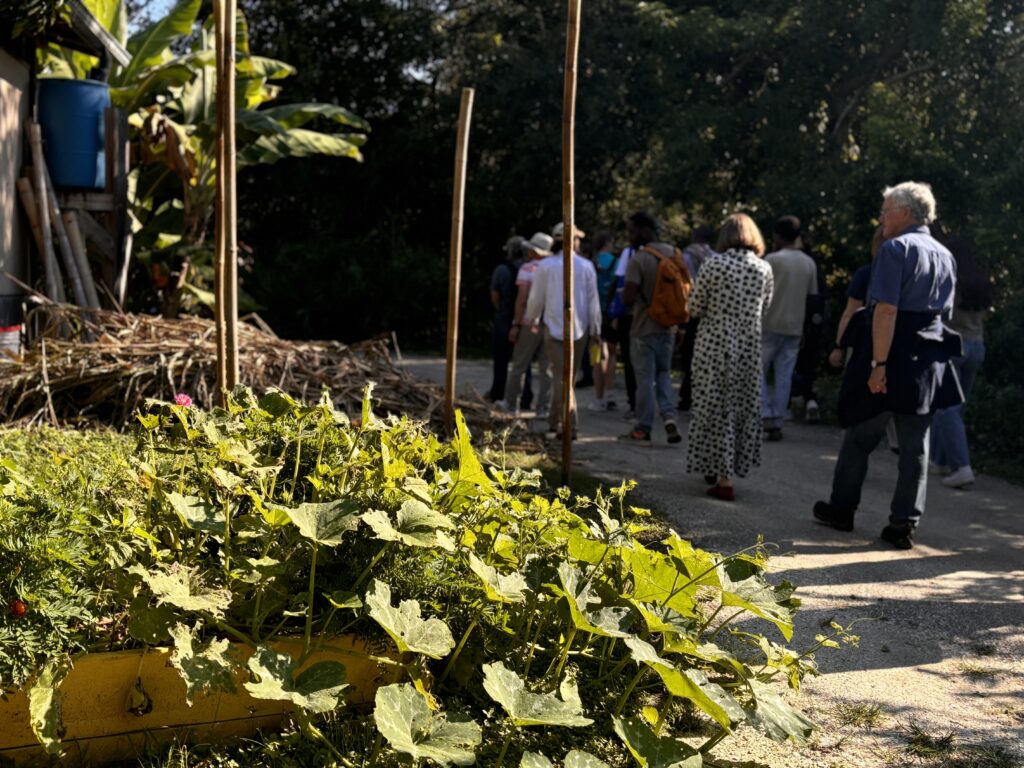
Interns give public guided tours of the community garden. -COURTESY PHOTO
Jason Weigner runs the internship program at ECHO. He was an ECHO intern himself and says the experience changed his life.
“It was life-changing and so formative for me,” said Weigner. “I went and used the skills that I learned at my internship and took them down to Bolivia for about 15 years. I believe in the program so much that when this job came up, I packed up and came back to teach another generation of sustainable agricultural farmers.”
The internship is a one-year commitment. A small cohort of interns is chosen from a large number of both domestic and international applicants every year. This year, eight ECHO interns live and work on the farm, immersing themselves in the experience.
Weigner says he hopes interns leave the program with agricultural skills that they can then use to help others around the world. But he also says he hopes they take away a deep and meaningful experience.
“We try to do a lot of personal growth, development, spiritual development, things like that as well,” said Weigner. “So, it’s a really kind of a holistic program. We’re developing and growing people.”
According to Weigner, ECHO interns end up all over the world. Many work abroad, helping farming communities in other countries, while some stay in the United States working at community gardens or teaching in schools.
Yailyne Lopez is one of this year’s ECHO interns. She started in April 2026 as an intern in the community garden. She studied sustainability and the environment at school and has a passion for helping others.
“What that means to me is not only the environment, but the people involved,” said Lopez. “So this role with the community garden has just been the perfect mixture. Especially when we bring our faith and hearts into our work here at ECHO, it’s just really beautiful.”
Cultivating community close to home
The community garden at the North Fort Myers ECHO location is open to the public. It features a global classroom where people can attend workshops and learn different techniques. The garden grows crops that are sustainable in the sub-tropical Southwest Florida climate, so you’ll find things like broccoli, tropical pumpkins, and mangoes.
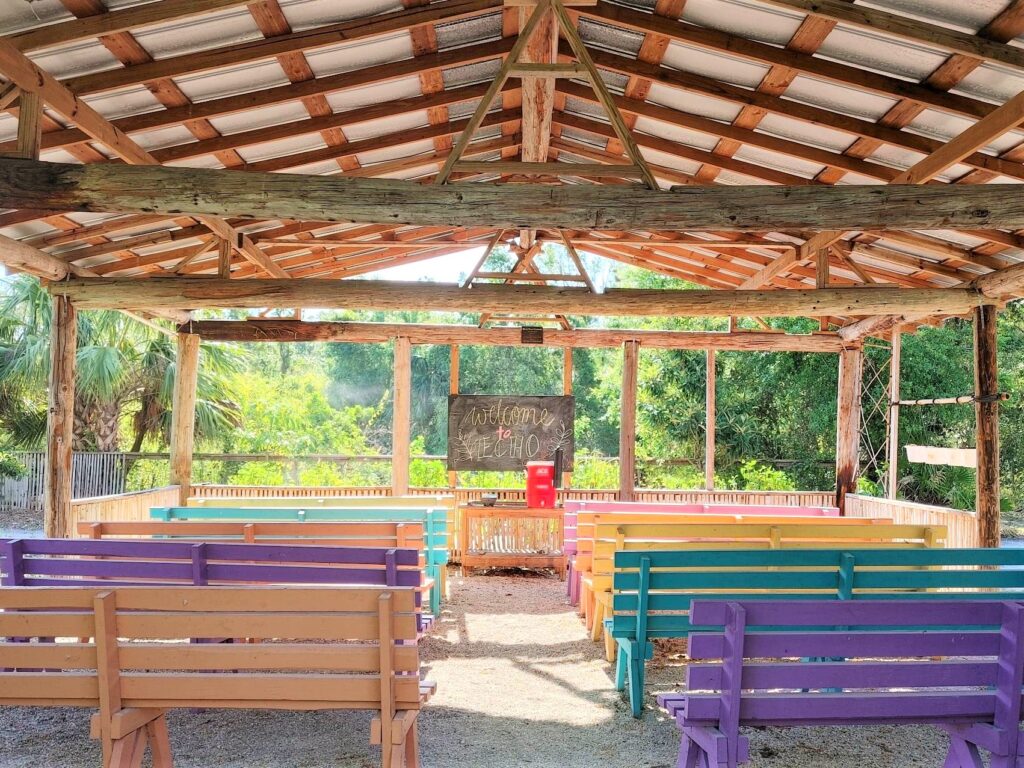
ECHO’s community garden supports a global classroom where people can learn different agricultural techniques. -COURTESY PHOTO
ECHO’s community garden partners with Cultivate Abundance, another nonprofit, that helps address food insecurity among farm workers in nearby Immokalee. Immokalee is considered a “food desert,” meaning this Southwest Florida community lacks access to places that sell fresh and healthy foods. The closest grocery store is about 30 minutes away.
Lopez says she always considers ways she can help those in Immokalee when choosing what to grow in the ECHO community garden.
“So, a lot of what we grow, we also keep in mind the people we serve at Immokalee,” said Lopez. “That’s what I try to keep in mind when I think about what I’m going to be planting. So, part of what I’m going to be planting this year is probably tomatillo. I would like to start growing more culturally relevant food, but also food that people enjoy, generally speaking. We want to think about our audience and who we’re serving.”
Lopez said anyone is welcome to visit or volunteer at the community garden. She says if volunteers have specific interests or skills, she will do her best to match them with the appropriate areas. The interns also give guided tours of the community garden for those who are interested in learning more.
Every Friday and Saturday, ECHO holds its market garden where community members can come and try the fruits and vegetables that are currently being grown at the garden.
Community is the foundation of everything ECHO does. The group not only builds up and helps small farming communities around the world but also relies heavily on the generosity and support of our community here in Southwest Florida. Those who work with ECHO see the impact of community from both sides every day.
“We’re working with each other, but we’re also working for each other,” said Lopez.
ECHO also works with researchers to develop and implement practical solutions for farmers. The nonprofit connects with development workers, organizations, university students, faculty, and farmers globally to share agricultural research findings and involve them in multi-site research studies.
And while there are many different aspects, locations, and people under the ECHO umbrella, Toevs says the ultimate goal is the same and has remained unchanged for the last 40 years.
“Our goal is really to defeat hunger and offer hope to those around the world,” said Toevs.
If you’d like to learn more about ECHO or volunteer or donate, visit echonet.org. The ECHO community garden is located at the ECHO North America Impact Center on Durrance Road in North Fort Myers.
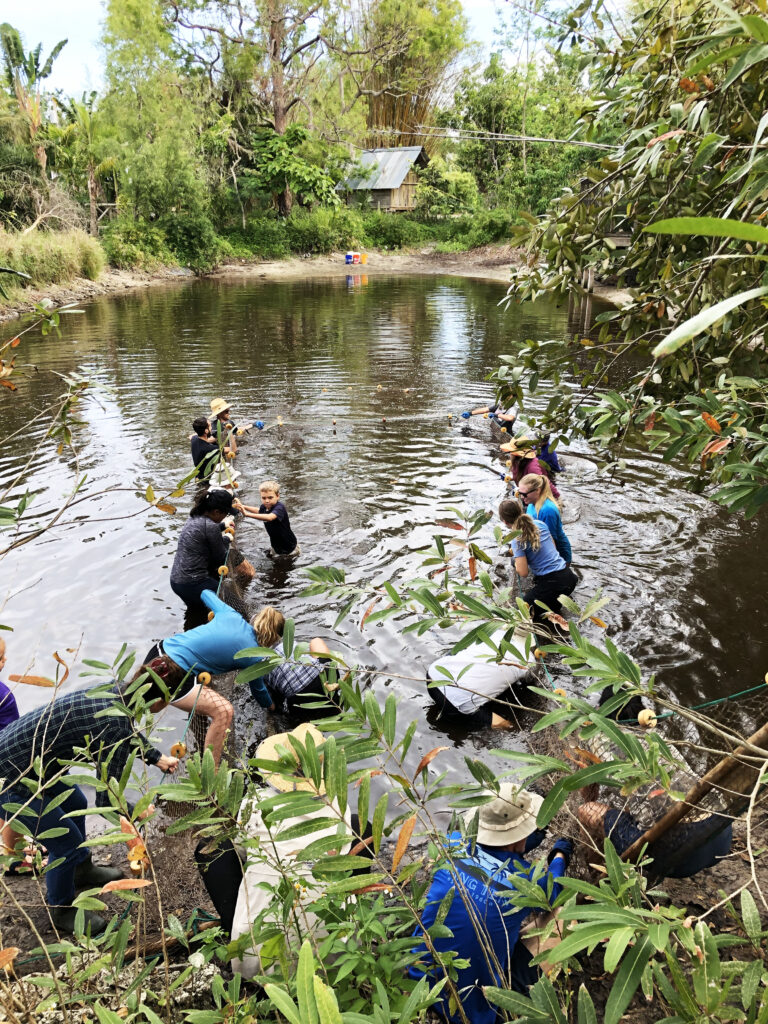
Interns live and work on the farm at the North Fort Myers location. -COURTESY PHOTO
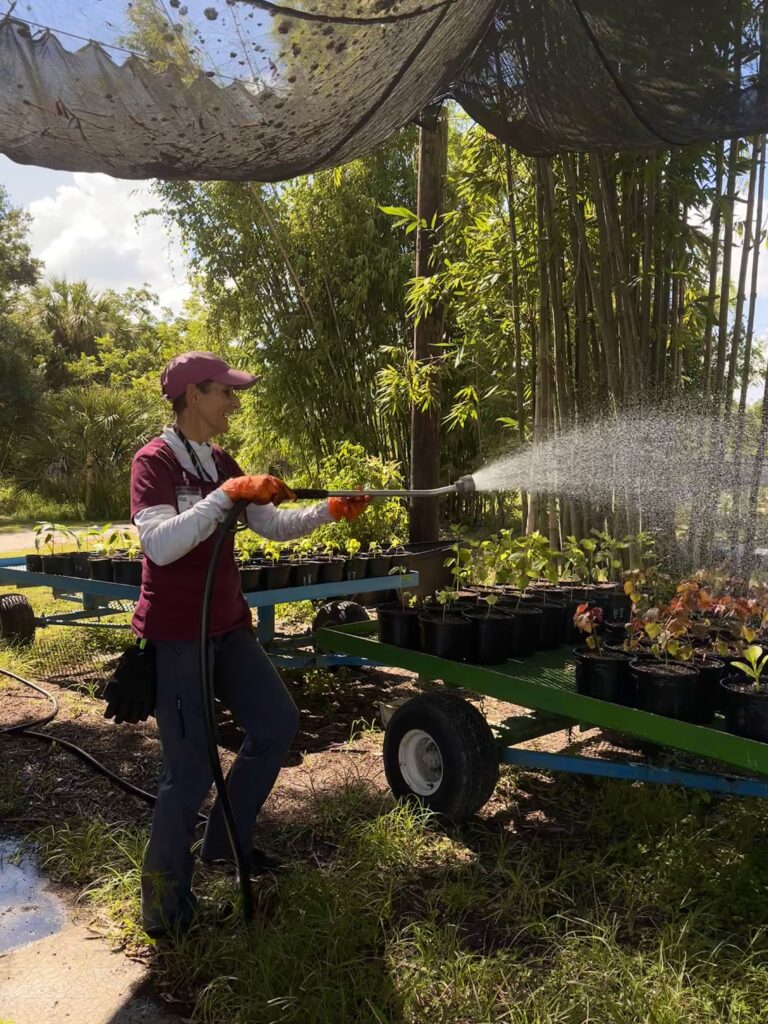
Volunteers from Southwest Florida help out at the community garden. -COURTESY PHOTO