
To help families meet the new requirement, UF Health Jacksonville is hosting a free, one-day community event on Saturday at FSCJ’s downtown campus.
JACKSONVILLE, Fla. — A new Florida law will soon require student-athletes to get a heart screening before they can take the field, as health experts and families push to prevent sudden cardiac deaths among young athletes.
Beginning July 1, the “Second Chance Act” mandates electrocardiogram screenings, or EKGs, for all incoming ninth-grade student-athletes, as well as students in grades 10 through 12 who are participating in a sport for the first time.

This story continues below.
The law was inspired by the death of 18-year-old Chance Gainer, a Florida high school football player who died from sudden cardiac arrest during a game.
“My son was an athlete,” said his mother, Equillar Gainer. “He played all sports, basketball, baseball, football. From the outside, you would think he was very healthy.”
According to the American Heart Association, more than 23,000 children experience cardiac arrest each year, with cases peaking between ages 13 and 17.
Doctors say sudden cardiac arrest occurs when an abnormal heart rhythm causes the heart to stop beating, often without warning signs.
Medical experts say EKG screenings can help detect underlying heart conditions early, potentially preventing life-threatening events.
“If this act can save lives, then I think it’s a great thing,” Gainer said. “I think people should be excited about it.”
To help families meet the new requirement, UF Health Jacksonville is hosting a free, one-day community event Saturday from 10 a.m. to 2 p.m. at Florida State College at Jacksonville’s downtown campus. The event will offer no-cost heart screenings and other health services. You can find more here.
Additional options are also available. CareSpot clinics across the First Coast offer walk-in sports physicals and EKGs, with promotional pricing of $25 for a physical or $60 for a combined physical and EKG through Sept. 30. The clinics say an EKG is valid for two years, and tests completed on or after July 1, 2024, meet the new requirement. You can find more here.
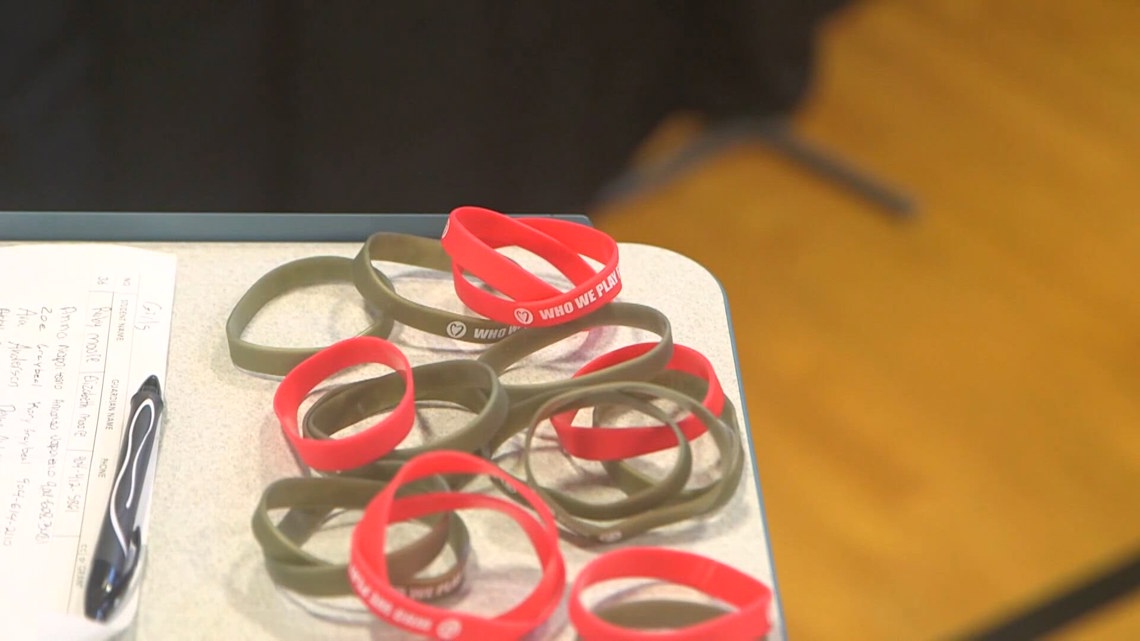
Families can find more information about low-cost heart screenings through the nonprofit Who We Play For.