
PASCO COUNTY, Fla. – The Zephyrhills city council may vote Monday night on an official pause on data centers.
It’s a conversation going on in many Tampa Bay communities.
Zephyrhills is the latest city in the region to consider putting a one-year moratorium on any type of data center development. That would mean no issuing building permits, re-zoning, or creating site plans that could pave the way for a data center. The council approved a first reading of a temporary moratorium on the facilities earlier this month.
Zephyrhills Planning Director Rodney Corroveau stressed today’s vote is purely proactive and that there are no pending applications or plans in the pipeline right now.
“One of the issues we found out in our initial exploratory research is that we were struck by the data centers going in across the country and citizens were not even aware that they were going through the planning process,” Corroveau said. “We want to make sure our citizens have the chance to come and share their view on the issue.”
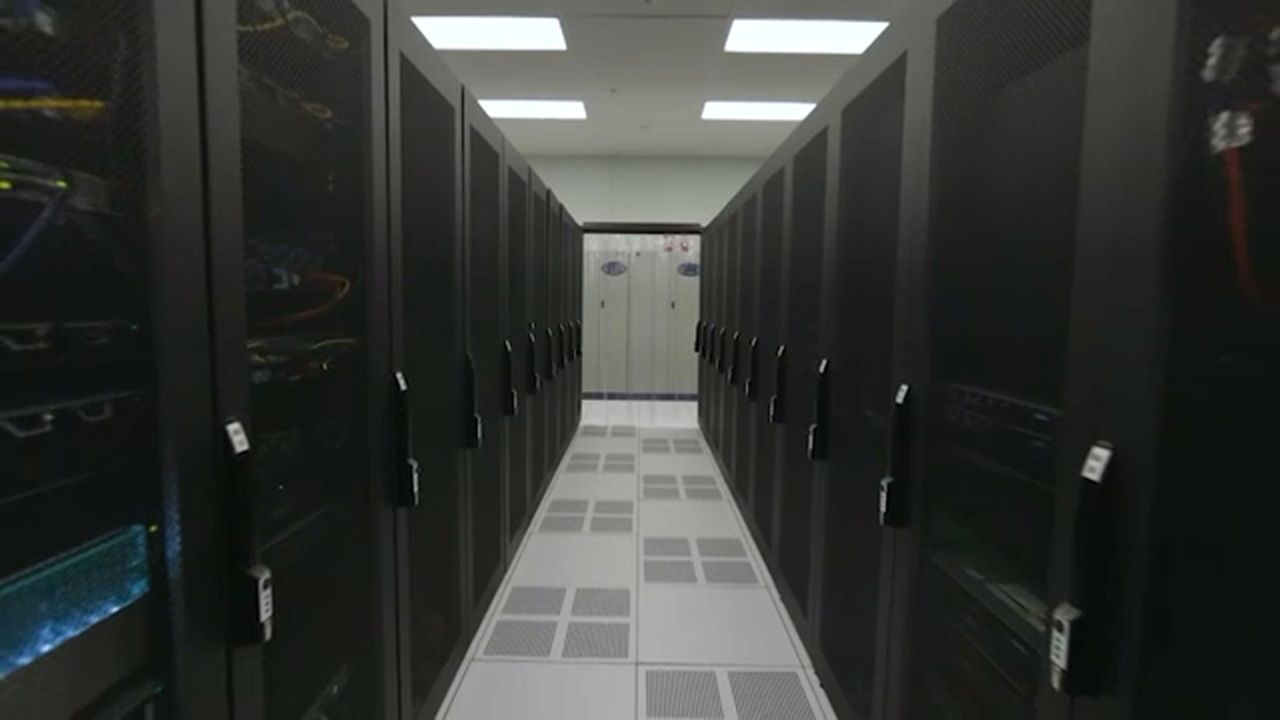
What exactly a data center looks like can vary depending on what company is behind it.
But for the most part, these facilities house thousands of data storage systems and computer storage systems.
They normally operate around the clock, raising issues like noise from generators, electricity usage and water consumption.
But those who support them say they’re necessary with the growing use of artificial intelligence and can create jobs in a community.
University of South Florida Associate Professor of Cybersecurity John Licato said there are legitimate concerns about the effects data centers can have on communities but as cities and counties consider these one-year moratoriums, he’s hoping they’re not overly restrictive before getting the full picture.
“It is easy however to kind of get carried away and sort of be overly protective in a way that might actually prevent things that could be beneficial for the community,” Licato said. “So it’s important to have an educated stance on this.”
Today’s 6 p.m. meeting will be a second reading of a proposed one-year moratorium and will likely be followed by a vote.