
ORLANDO, Fla. — Undocumented students attending Florida public universities may no longer be able to enroll, starting in 2027.
The Academic Affairs Committee will meet during a Florida Board of Governors meeting on Wednesday. Agenda documents show they plan to amend a regulation regarding general admissions.
A 10th section was added to the general admisions regulation that reads, “Beginning with the 2027-28 academic year, a person who is not lawfully present in the United States shall not be eligible for initial enrollment in any state university, which, for the two most recent academic years, did not admit all academically qualified applicants, except for cases in which applicants were rejected for nonacademic reasons.”
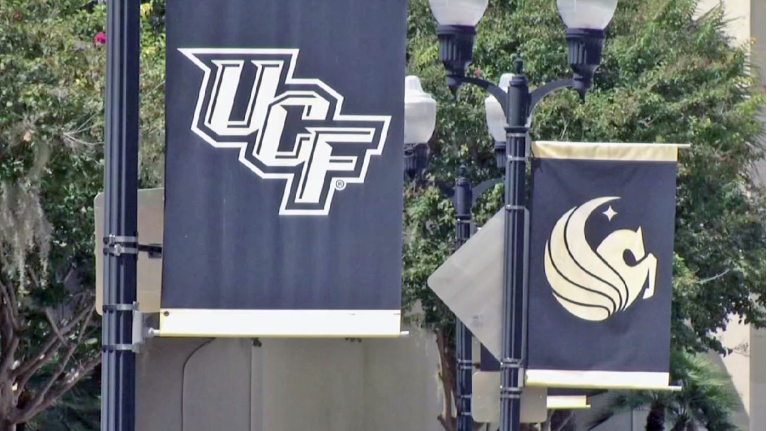
The board oversees 12 universities across the state, including the University of Central Florida. During the 2025-26 school year, 93% of students were in state. The remaining 7%, roughly 5,000 students, were out-of-state. The university does not list information on a student’s legal status.
The regulation would need approval from the Academic Affairs Committee and the Board of Governors. Then, the regulation is up for public comment for 14 days. After those two weeks, if the public raises no concerns, the board could give final approval at its next meeting, which could be on Sept. 2.
Madhurima Paturi, attorney and founder of Paturi Law, says if the amendment passes, it is a waiting game to see how this will affect students with plans on pursuing a degree at a state university.
“It is so unfortunate if they have to stop studying after the high school degree or they have to go to the different state to get the pursue the higher degree. Overall, we’re going to be losing the talent and also the income coming through that particular group of the people,” said Paturi.
Paturi believes there is not a large population of students taking over, as suggested by the regulation.
“To be said, there is already a few percentage [of students] who is actually pursuing the higher degree. More overall with undocumented, there’s also a big stake that they can’t afford these kind of the education,” said Paturi.
Paturi said if the state does move forward with this amendment, Florida could join four other states with similar rules. They could also face legal action from students, she said.
The Florida Department of Education made similar strides this year, trying to restrict undocumented students from attending the state’s colleges. They will discuss and vote on that June 30.
This year, Senate Bill 1052 aimed to limit higher education for some students, but that failed. In 2014, then-Governor Rick Scott signed a bill that allowed undocumented students to pay in-state tuition if they graduated from a Florida high school and met other requirements. Florida repealed the bill in 2025.