
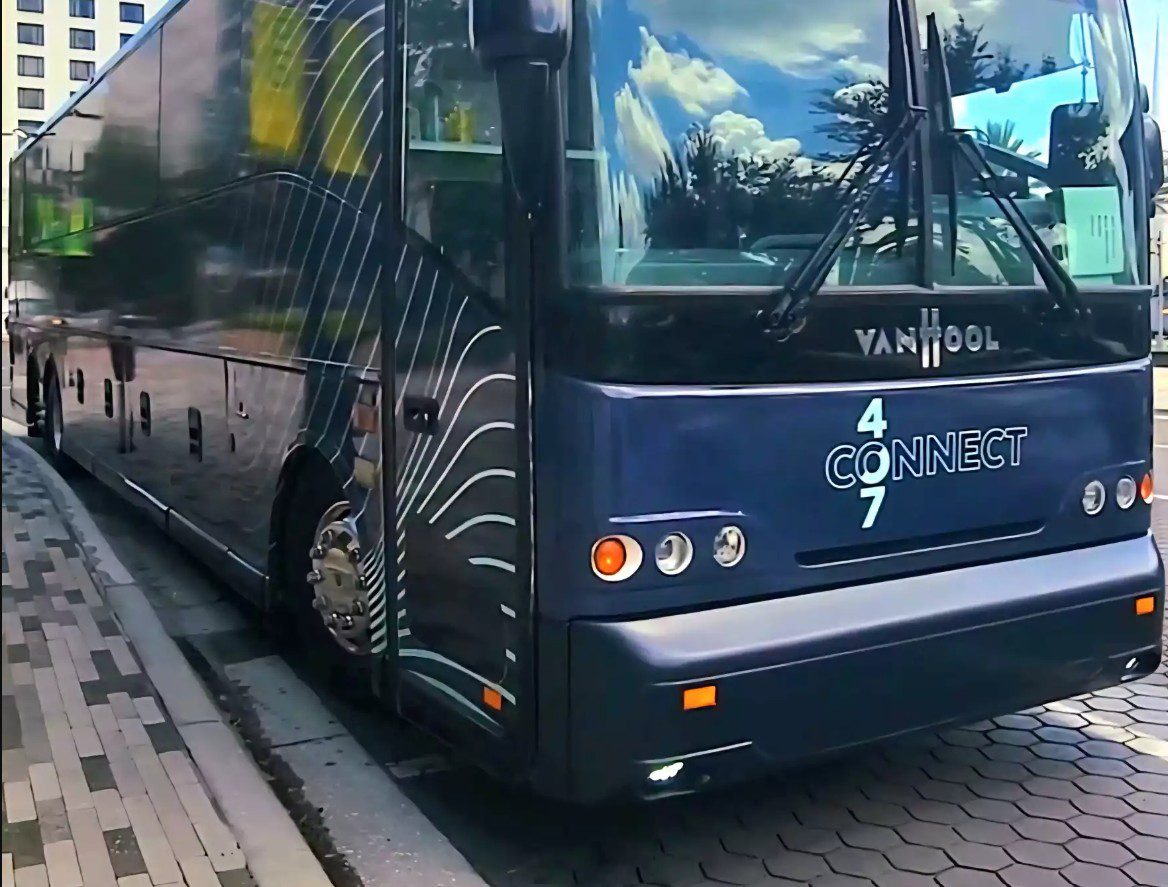
A City of Orlando program established in August 2025 has been helping homeless people find permanent housing — not through traditional brick-and-mortar shelters, but through buses.
The program, called 407 Connect, is a partnership project involving the city, the Community Redevelopment Agency and the Christian Service Center for the Homeless. The aim of 407 Connect is to help unhoused people by providing them with resources and services during the day — such as meals, showers, job assistance and housing navigation — and with shelter at night via the program’s two buses, according to the Christian Service Center’s website.
Since 407 Connect’s launch, the program has enrolled 119 participants and helped 50 people find housing, said Ashley Papagni, one of Orlando’s public information managers, in an email. According to an April 30 press release, these participants have consisted mostly of single adults.
“407 Connect represents a shift from temporary responses to long-term solutions,” Orlando Mayor Buddy Dyer said in the press release. “By combining innovation with strong partnerships and sustained investment, we are seeing real results that are changing lives and strengthening our community.”
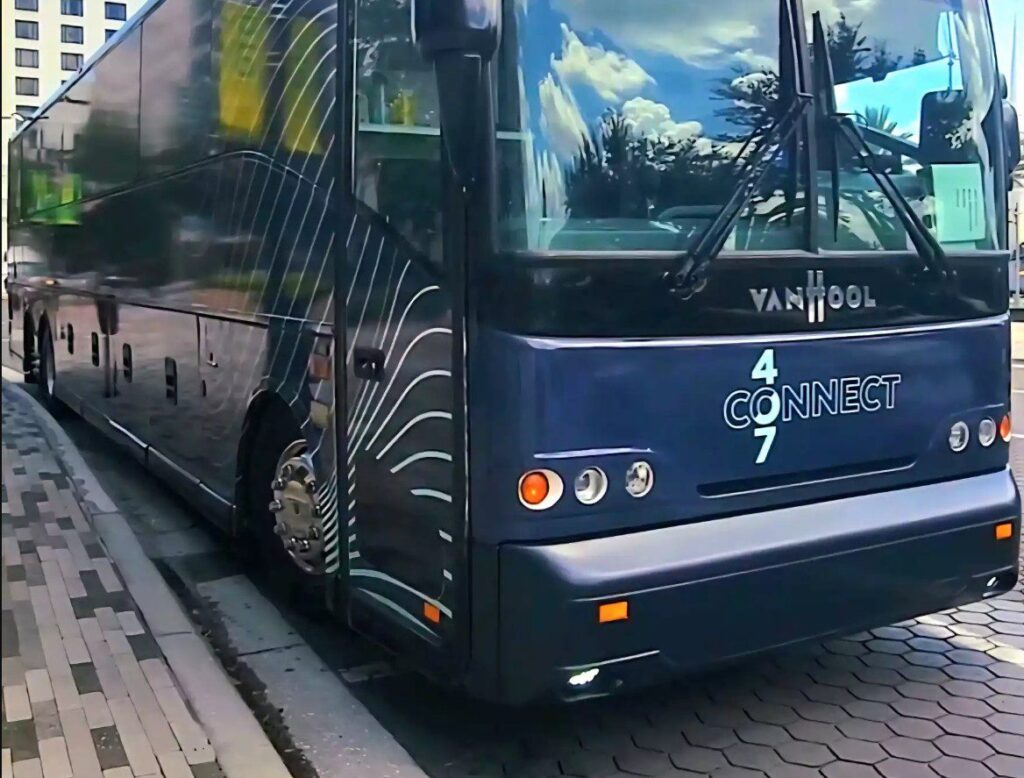
The 407 Connect shelter buses were unveiled in late August and will be operated by the Christian Service Center. (LILLIAN HERNÁNDEZ CARABALLO)
The program’s name is 407 Connect because of its goal to help more than 407 homeless people find permanent housing over three years, Papagni said in her email.
Each night, the 407 Connect buses can hold up to 42 passengers, and as individuals find housing, spots open for incoming participants, according to the city’s website.
Papagni said the city provided the program with $350,000 in funding through the Accelerate Orlando program to buy the buses, while the Community Redevelopment Agency gave approximately $3 million for three years of operating and move-in assistance.
Papagni said 407 Connect aims to house participants within 60 days after joining the program, though medical disabilities and age can mean participants stay longer.
“The fastest growing population of people we are seeing are over 75,” she said. “The number of elderly married couples is deeply surprising and concerning.”