
The Brief
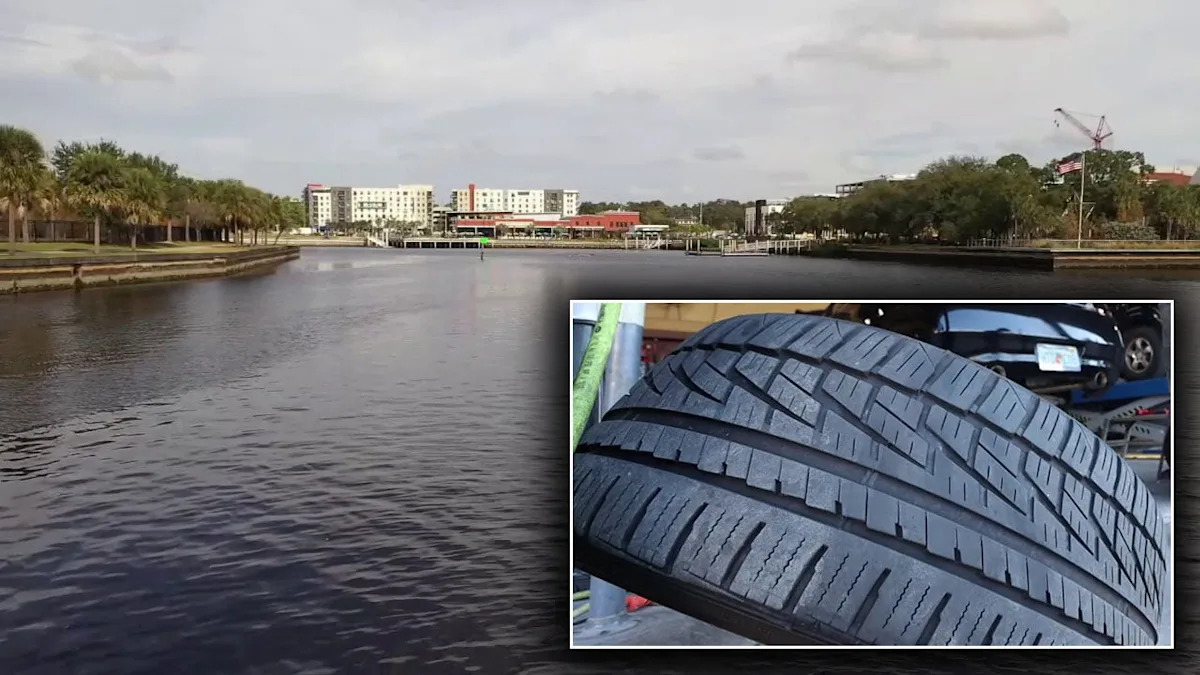
A Florida International University researcher is studying whether a toxic tire chemical is polluting the Hillsborough River.
The 10-month study found the highest chemical concentrations in urban areas near downtown Tampa stormwater outfalls.
Scientists will begin a second testing phase in September to evaluate a sargassum-based biochar water treatment.
TAMPA, Fla. – Florida International University researchers are examining how rain flushes toxic tire-wear pollutants into the Hillsborough River to help safeguard local ecosystems.
Florida tire chemical research
What we know
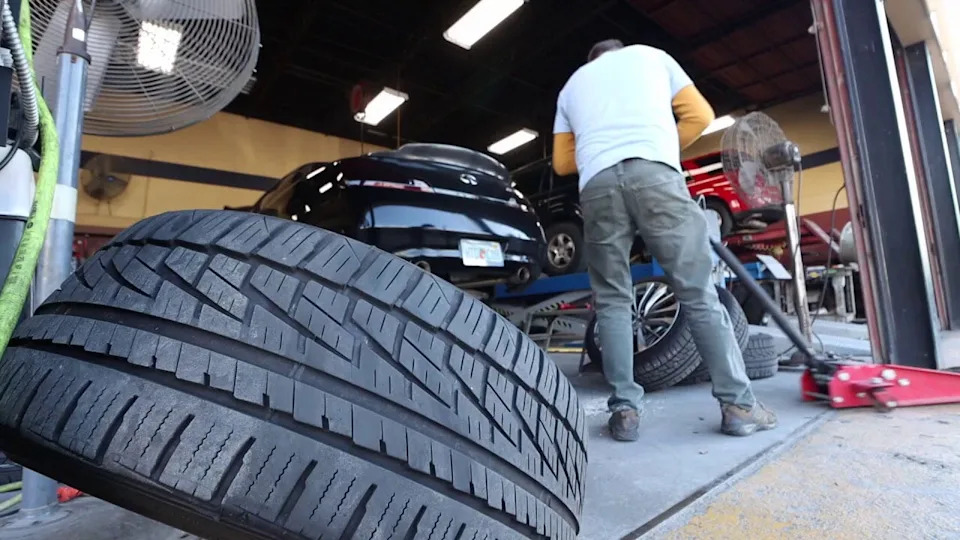
Florida International University Assistant Research Professor Kassidy Troxell is leading a study on 6PPD, a chemical added to tires to extend their lifespan. As tires wear down, rain events wash tiny tire dust particles into nearby rivers, canals and bays.
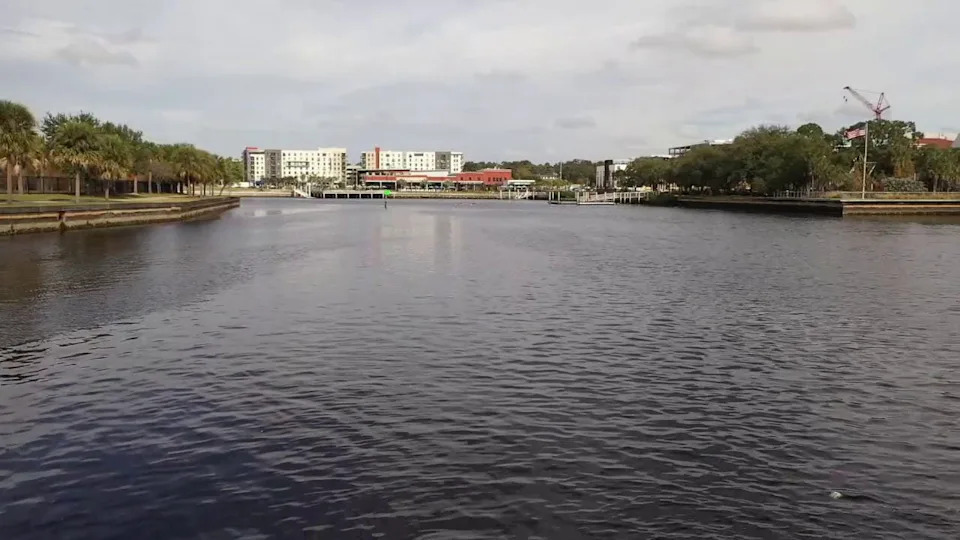
The chemical transforms into a compound called 6PPD-Q, which is highly toxic to some Pacific Northwest salmon species. To understand its local footprint, Troxell and the Ocean Conservancy spent 10 months collecting 50 water samples along the 60-mile river, spanning from the Green Swamp to Hillsborough Bay.
Urban stormwater contamination
By the numbers
The Environmental Protection Agency benchmark for 6PPD-Q is 11 nanograms per liter. A water sample collected near downtown Tampa measured around 12 nanograms per liter, exceeding that baseline.
The 10-month study analyzed 50 distinct water samples along the roughly 60-mile span of the river. The highest concentrations appeared in urban areas near stormwater outfalls after long dry periods were followed by heavy rainfall.
 Regional environmental impact
Why you should care
While the 12 nanograms per liter reading near Tampa is not a major concern yet, researchers say addressing it now is vital. Tracking how these chemical particles move through watersheds will help experts protect vulnerable Florida species and aquatic ecosystems.
Next research phase
What’s next
The next phase of the university study begins in September, when the research team will collect additional water samples. Scientists are also developing a potential treatment using sargassum-based biochar to actively filter and remove the pollutants from the water.
The Source
The information in this story was gathered from Florida International University Assistant Research Professor Kassidy Troxell, who explained her 10-month water quality study, as well as an interview conducted by FOX 13 reporter Jennifer Kveglis.