

Since the COVID-19 pandemic, South Florida has experienced a significant influx of Jewish families relocating from New York.
Drawn by the warm weather, lower taxes, strong Jewish communities and improved quality of life, many families have chosen to make Florida their permanent home.
While this migration has strengthened our communities in many ways, it has also exposed a growing challenge that few people are talking about: the lack of educational options and support services for children with special needs.
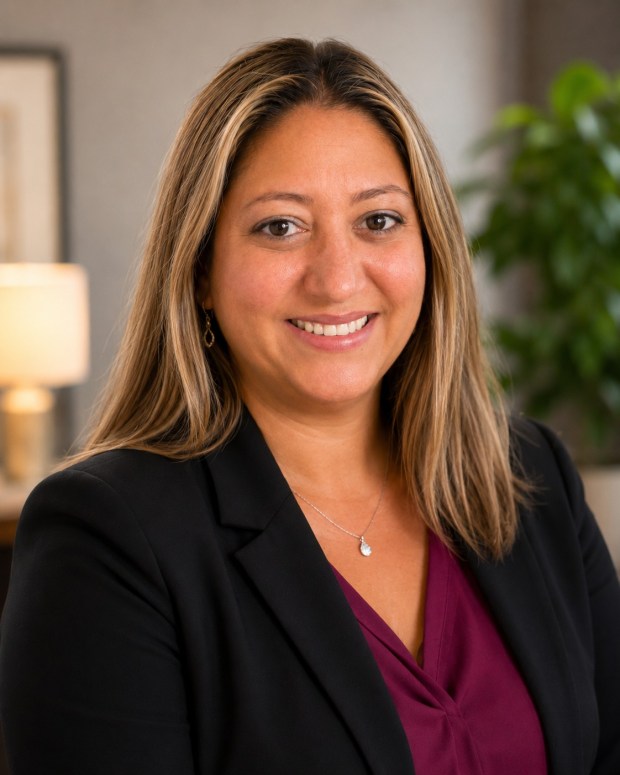 Rena Goldstein is the Founder and Clinical Director of Kiducation ABA, a South Florida-based provider of Applied Behavior Analysis (ABA) services. (Rena Goldstein/Courtesy)
As an educator with more than two decades of experience, including 15 years working in private Jewish schools throughout Manhattan and Brooklyn and six years working within the Florida school system, I have witnessed firsthand the vast differences between the educational systems in New York and Florida.
In New York, families of children with disabilities have access to an extensive network of support. Whether a child has a learning disability, ADHD, autism spectrum disorder, speech and language delays, emotional challenges or physical disabilities, there are schools, programs and services designed to meet their needs.
Through funding provided by the New York City Department of Education, students attending private schools can often receive mandated services such as speech therapy, occupational therapy, physical therapy, counseling and special education support. Parents may face challenges navigating the system, but there is generally a framework in place to ensure that services are available.
For many families, moving to Florida comes as a surprise.
Parents often assume that the same level of support exists here. They expect that if their child was receiving services in New York, those services will seamlessly continue after relocation. Unfortunately, that is often not the case.
Many Jewish schools in South Florida are experiencing unprecedented demand. Enrollment has increased dramatically, classrooms are full and admissions offices are receiving more applications than ever before. While schools work tirelessly to serve their students, many simply do not have the infrastructure, staffing or specialized programs necessary to support children with significant learning, behavioral or developmental needs.
As a result, families may find themselves in difficult situations.
Some children are placed on waiting lists. Others are accepted into schools that genuinely want to help but may lack the resources required to provide the level of support the child needs. Parents frequently discover that therapies and interventions previously available through public funding must now be obtained privately.
The financial impact can be substantial. A child requiring speech therapy, occupational therapy, behavioral support, tutoring or specialized educational services may need multiple providers. Without adequate insurance coverage or significant financial resources, these services can become prohibitively expensive.
The consequences extend beyond academics. When children do not receive appropriate support, they may struggle socially, emotionally and behaviorally. Parents experience stress, schools face increasing challenges and children are left without the interventions that could help them thrive.
The Jewish community has always valued education as one of its highest priorities. We invest in schools, synagogues, community centers and programs that strengthen future generations. As our population continues to grow in South Florida, we must recognize that this growth includes children with diverse learning needs.
The solution is not simple, but it is achievable. Community leaders, philanthropists, schools and service providers must work together to expand educational opportunities. We need more specialized programs, more trained professionals, more inclusive classrooms and greater collaboration between schools and therapeutic providers. We must also explore funding mechanisms that make services accessible to all families, not only those who can afford private care.
The families moving here are not asking for special treatment. They are asking for the same opportunity every child deserves: access to an education that meets their individual needs and allows them to succeed.
South Florida’s Jewish community has grown tremendously over the past several years. Now it is time for our educational infrastructure to grow alongside it.
If we fail to address this challenge, many families will continue to struggle in silence. If we act now, however, we can build a community where every Jewish child — regardless of ability — has a place to learn, belong and flourish.
The future of our community depends on it.
Rena Goldstein is the Founder and Clinical Director of Kiducation ABA, a South Florida-based provider of Applied Behavior Analysis (ABA) services.