
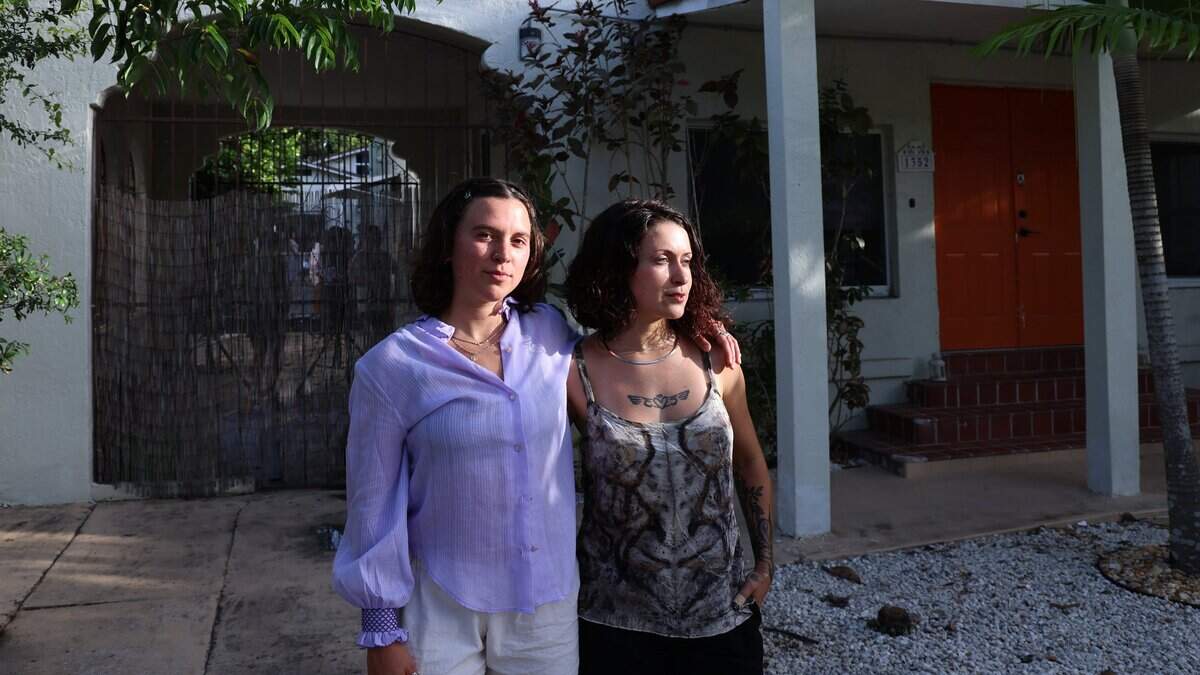
Friends – Sophia Corugedo, left, and Sofia Villalonga, right, hosted the Turn of a Century event at the 100-year-old home, which is slated for demolition after being sold to a developer. The gathering features artists, performers and dancers saying farewell to the house before the owners move out by July 15.
Carl Juste
cjuste@miamiherald
A 100-year-old house south of Eighth Street in Shenandoah will soon be demolished. On Monday night, hundreds of people gathered to say goodbye at an event hosted by one of its last tenants to celebrate the property’s history and lament the unstoppable development throughout the county that is changing the character of neighborhoods.
Sophia Corugedo, a tenant who organized the event with her friend Sofia Victoria Villalonga, called the party her love letter to the home she’s about to lose.
The event, dubbed “The Turning of a Century,” was meant to capture the cycle of Miami’s development. The house was built during the city’s first development boom in the early 1920s, when buildings like the Freedom Tower, the Biltmore Hotel and the Olympia Theater were constructed. But a century later, much of the city’s original architecture is being flattened in favor of high-rises and white boxes.
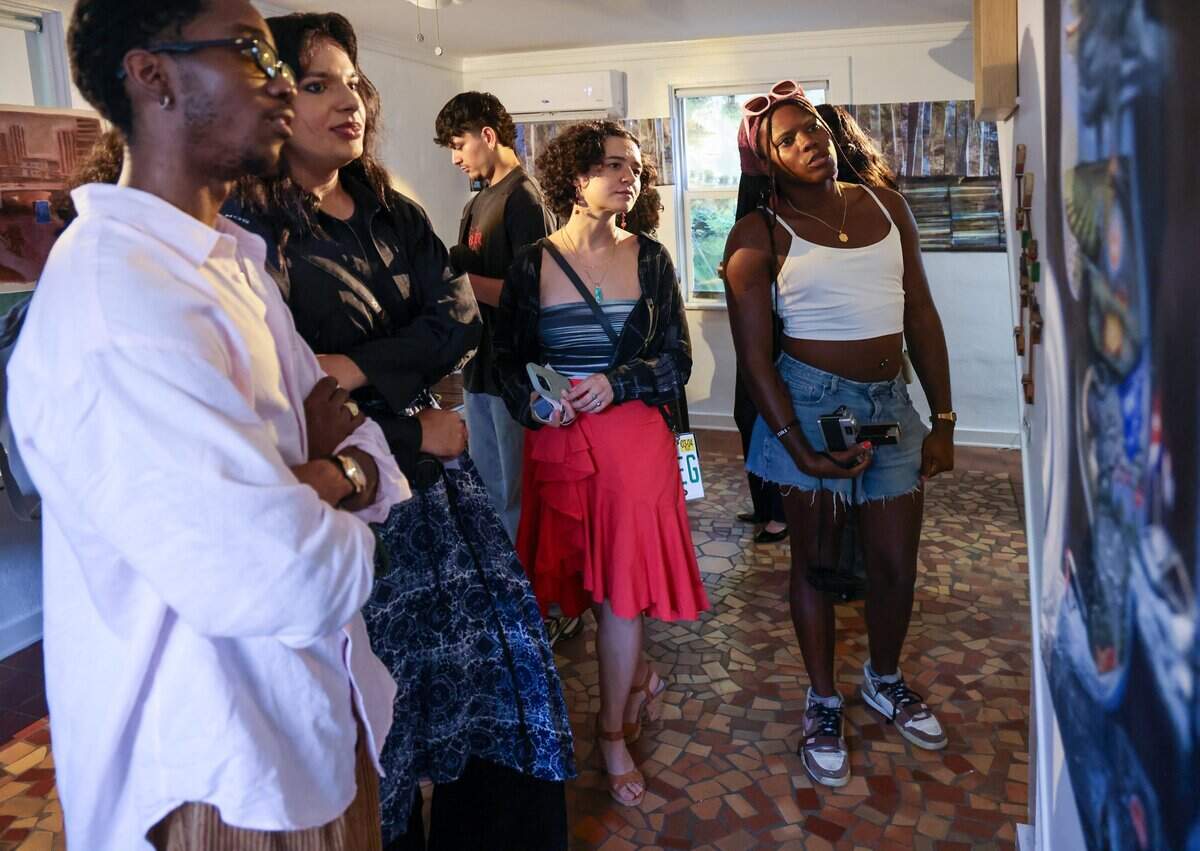 Attendees look at art installations at a farewell event for the historic house, which is scheduled for demolition. Carl Juste cjuste@miamiherald
“We saw the parallels between the 1925 land boom and now 2025 and 2026,” Villalonga said. “Nobody pays attention to issues sometimes until it’s at your front door.”
The one-night event was more than a farewell party. Through paintings, pottery, poetry and performance, dozens of artists turned a house awaiting demolition into a statement about displacement, gentrification and what they say the city risks losing as another charming, historic home disappears.
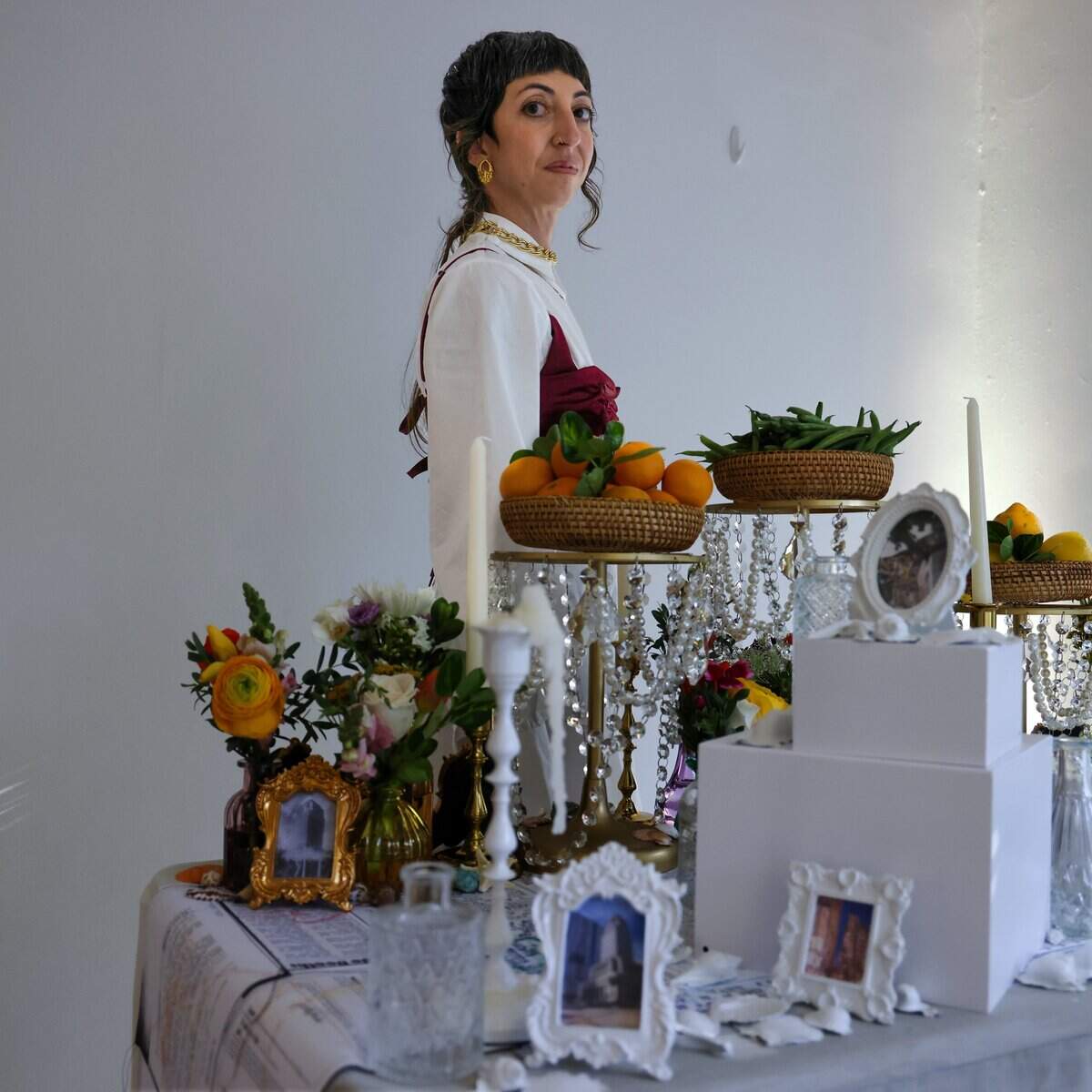 Artist and genealogist Ariana Franco displays her work the event to celebrate a soon to be demolished house in the Shenandoah area. Carl Juste cjuste@miamiherald
Corugedo, 27, lived in the house for about a year and a half when a realtor reached out in March, alerting her she had until July 15 to move out. Her lease was supposed to end in December.
She labeled it emotional displacement, where she and her neighbors really loved living in the classic Florida home, which was actually affordable. It felt like a community, something that’s growing rare in the city.
“Gentrification is disbanding community networks,” she said. “It’s the lack of respect and honor for the human beings in the properties they choose to purchase.”
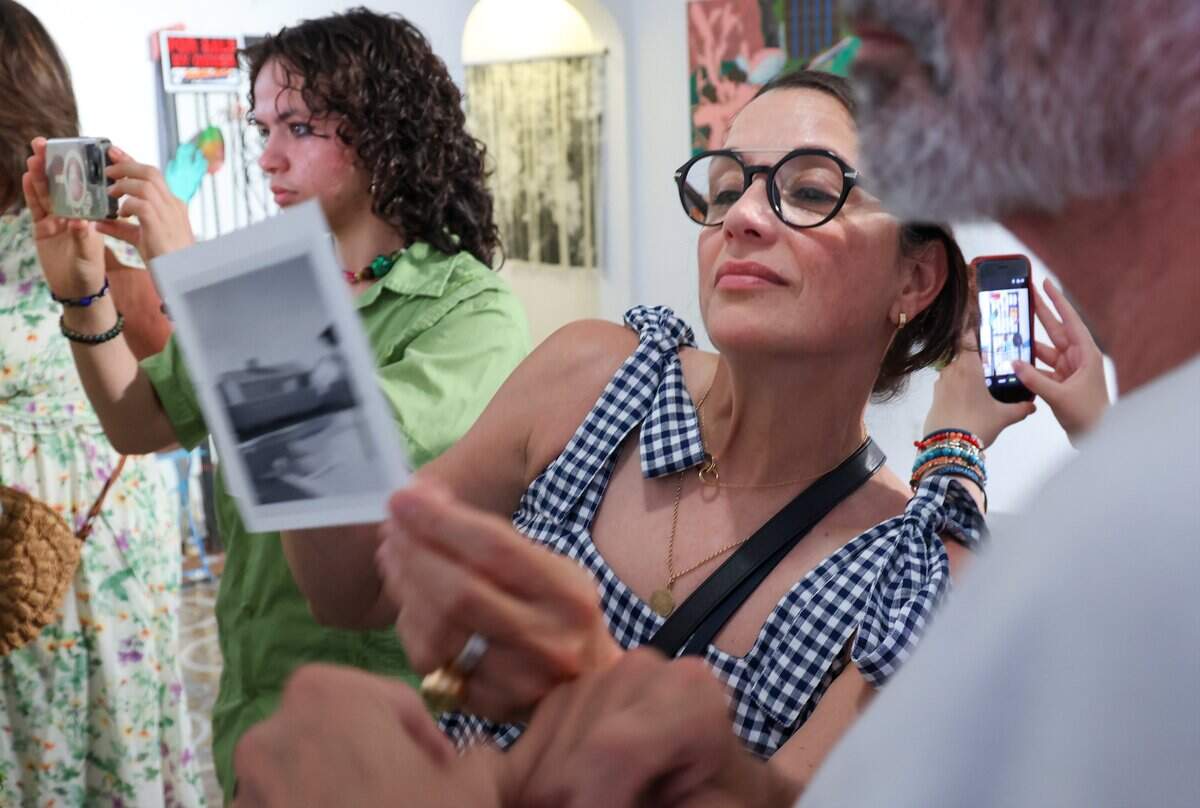 Clem Corugedo, 19, left, and her parents Susana Corbett, and Jorge Corugedo, right, explore the artwork at an exhibit in a 100-year-old house that will soon be demolished. Carl Juste cjuste@miamiherald
So with days left before they get kicked out, Corugedo and her neighbors cleared the home, which had been converted into four housing units. In the empty shell, they set up a DJ table, a makeshift stage and invited about 40 artists to display their work.
Most of the artists did not make pieces to fit the exhibit, but they all happened to mirror the same sense of nostalgia, as if displacement was the quintessential Miami experience.
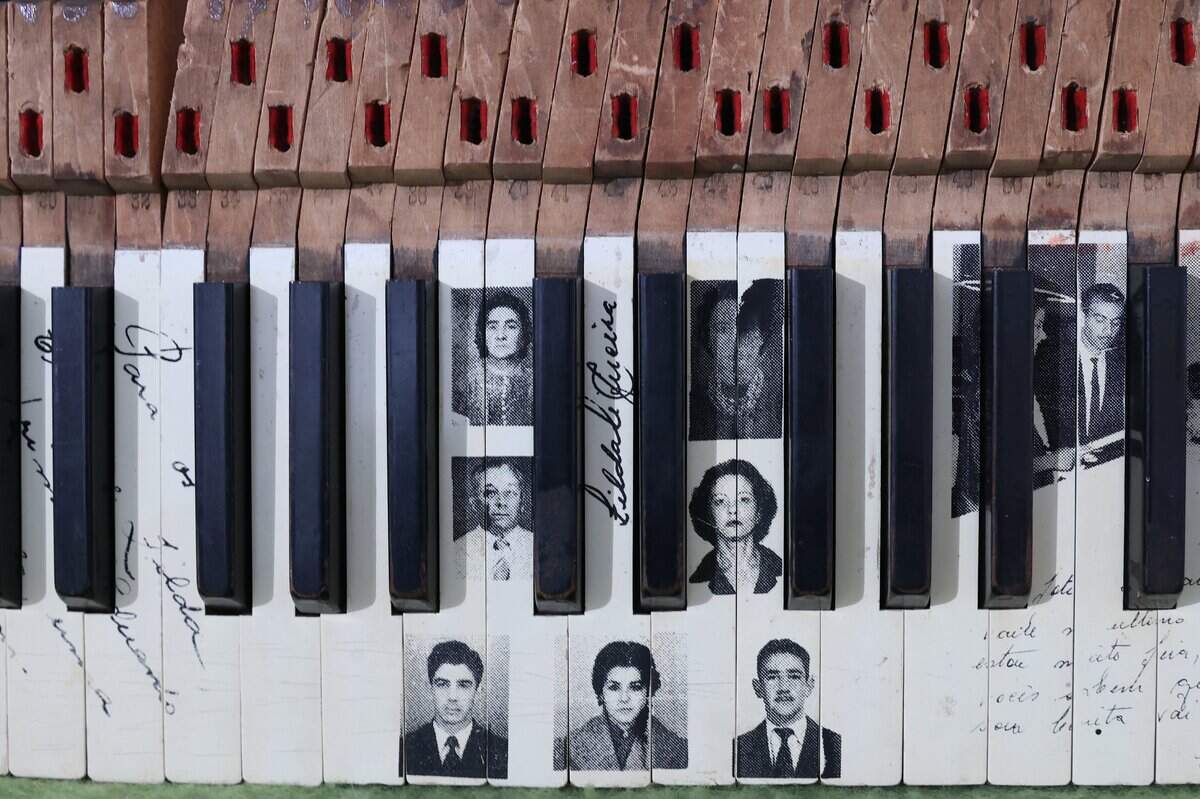 ‘The Weight of Ivory,’ a work on display at the event by artist Marcus Corugedo. Carl Juste cjuste@miamiherald
At the entrance was a white table covered with keepsakes and ornamental photo frames. On the windowsill, candles had printed labels that read “We won’t be moved.” Further inside, a fragment of a gate has a for-sale sign, candles, guayaberas and two colorful chairs — like memories from a grandfather’s house.
During a one-man show, the sound of rain and thunder blasted above the crowd gathered at his feet. In the back unit, a movie played from a projector upstairs; paintings lined the wall, all telling the story of the Miami locals used to know. A speaker cycled through the noise of flittering birds and croaking frogs before they were drowned out by a loud buzz of drilling.
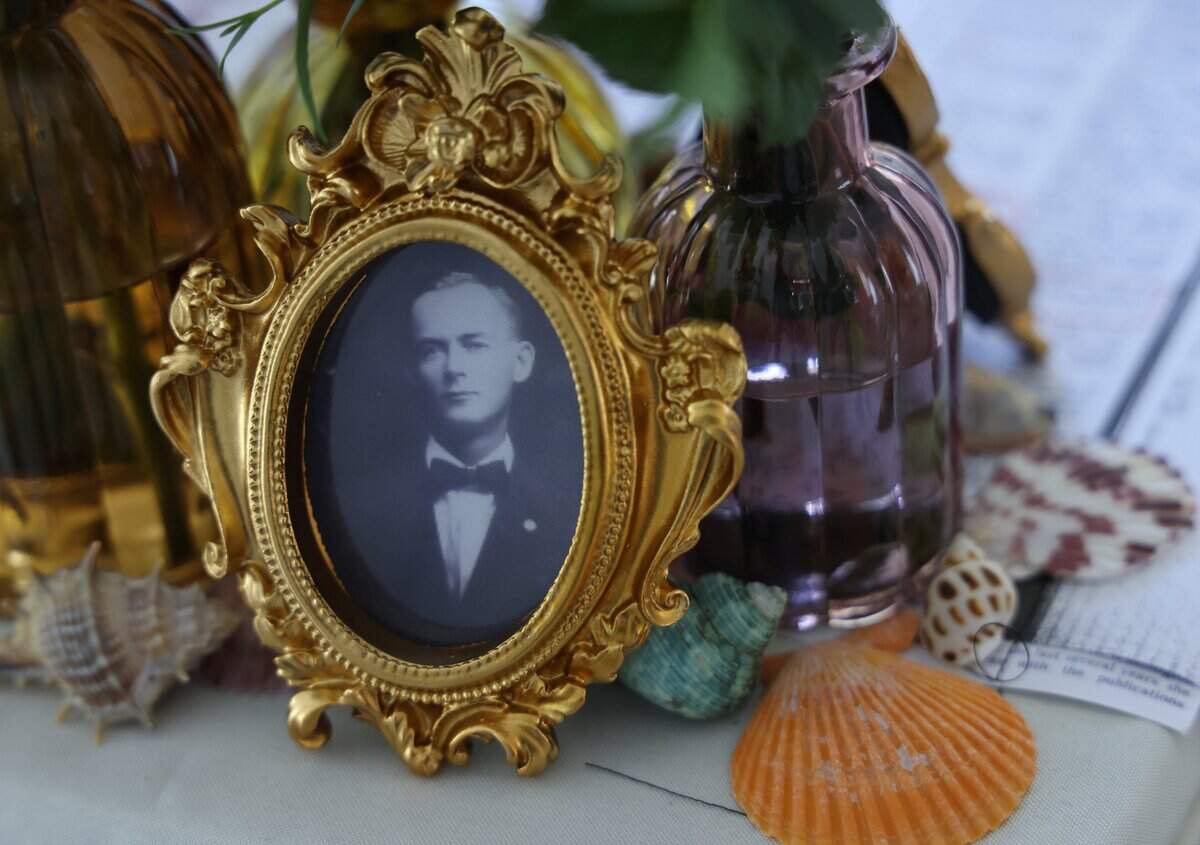 A table of keepsakes at the entrance of the Turn of A Century event. Carl Juste cjuste@miamiherald
Lucia Morales, 24, was displaying her pottery at the exhibit. In shallow bowls with colorful glazes, her work is accompanied by flowers and a written essay describing her love for her Florida porch, one of the last of its kind in South Florida.
Corugedo approached her to showcase her work at the event. She often gifts Morales’ work to friends; it takes weeks of work to create one piece. But Morales knew she had to participate, especially when she fears her own historic Florida home can be the next one demolished.
“It’s really upsetting,” Morales said. “It’s kind of scary that my neighborhood is next.”
As a freelance architect, Morales emphasizes “the human touch” in all her work. She feels Miami is losing the human elements that gave the city character, from Spanish tiles to Moorish architecture.
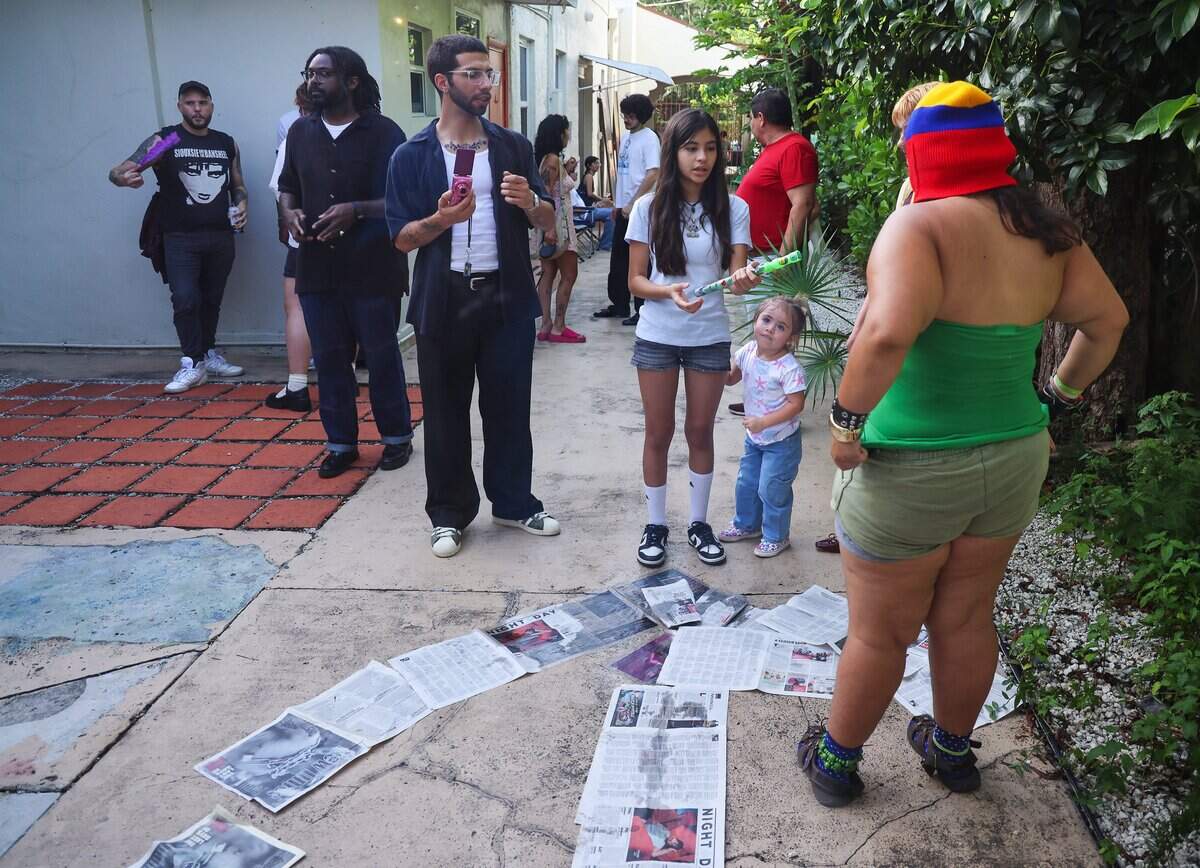 Attendees and artists explore a 100-year-old home in the Shenandoah area that is scheduled to be demolished. Carl Juste cjuste@miamiherald
“We’re seeing these natural Florida homes being completely taken down and then put up with a building that could belong anywhere,” she said. “It could be in Massachusetts, in California, in any other country.”
She calls her pottery a vessel. It’s also her way of connecting to her heritage, something all the artists at the exhibit prioritized.
“These vessels that I make, they’re meant to hold something, and the same way that houses are meant to hold something,” she said. “They’re meant to hold people, memories, laughter, cries, joys.”
Mariana Peneloza, 26, was drawn to the exhibit because she’s currently researching Miami artists and their relationship with the city’s future. It pains her to learn a house with so much history will be torn down, especially when she sees it happening all over the city, like in Coconut Grove and Coral Gables.
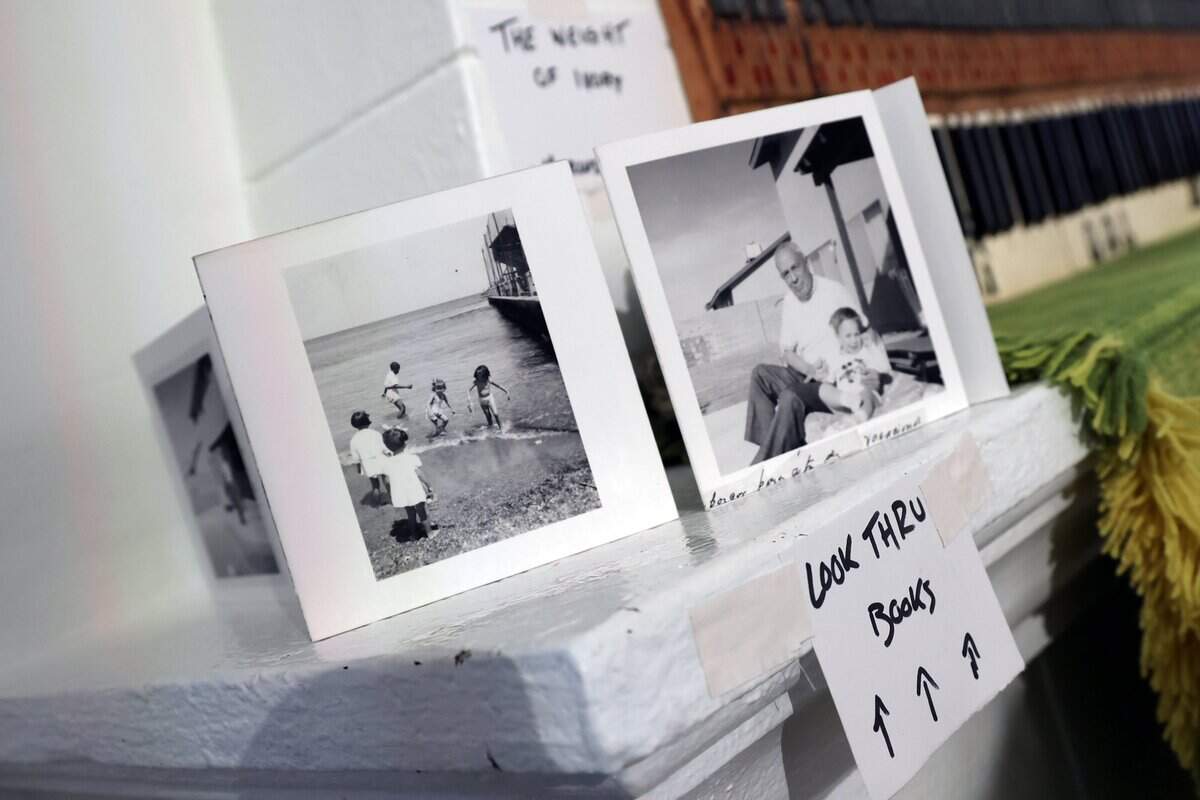 ‘The Weight of Ivory’ is one of the many artworks at The Turning of a Century art exhibit inside the historic house, which is scheduled for demolition. Carl Juste cjuste@miamiherald
“My parents came from Peru and Colombia; it brings me a lot of grief to think about the places that I once shared with them may no longer exist,” Peneloza said.
She enjoyed perusing all the artwork to see how people are processing displacement and development across the city. Artists displayed photos of original Miami spots and newer city developments crossing over into local areas, like Waymos and tourist traps.
“I’m hopeful that as more people come to these kinds of events, more people get activated and are engaging in civic concepts,” she said.
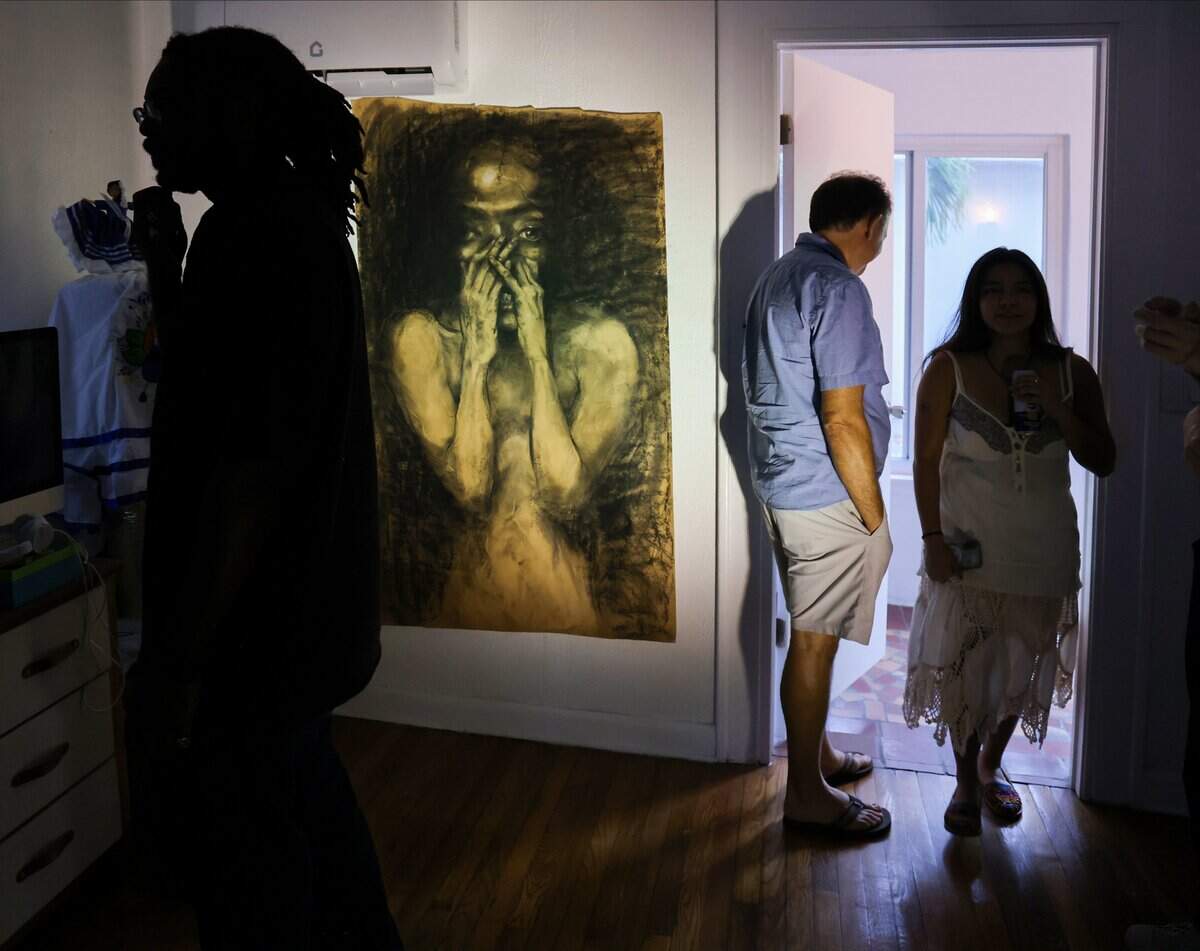 Attendees and artists explore the art exhibit during a farewell event for a 100-year-old house scheduled for demolition. Carl Juste cjuste@miamiherald
Celia Almeida, 37, lived in the front unit of the house with her twin sister for five years. She knew the house was special the moment she saw it, treasuring the home’s individuality and character. When she learned it was going to be destroyed, she was crushed, and in her heartbreak, she wrote a eulogy for the home, which she read aloud wearing a black veil.
“We called our home the mansion, we called the whole property the commune,” Almeida said. “But I feel very lucky because, there’s displacement by all these catastrophes, and I feel privileged to know that I’m leaving my favorite home, but I will find another home.”
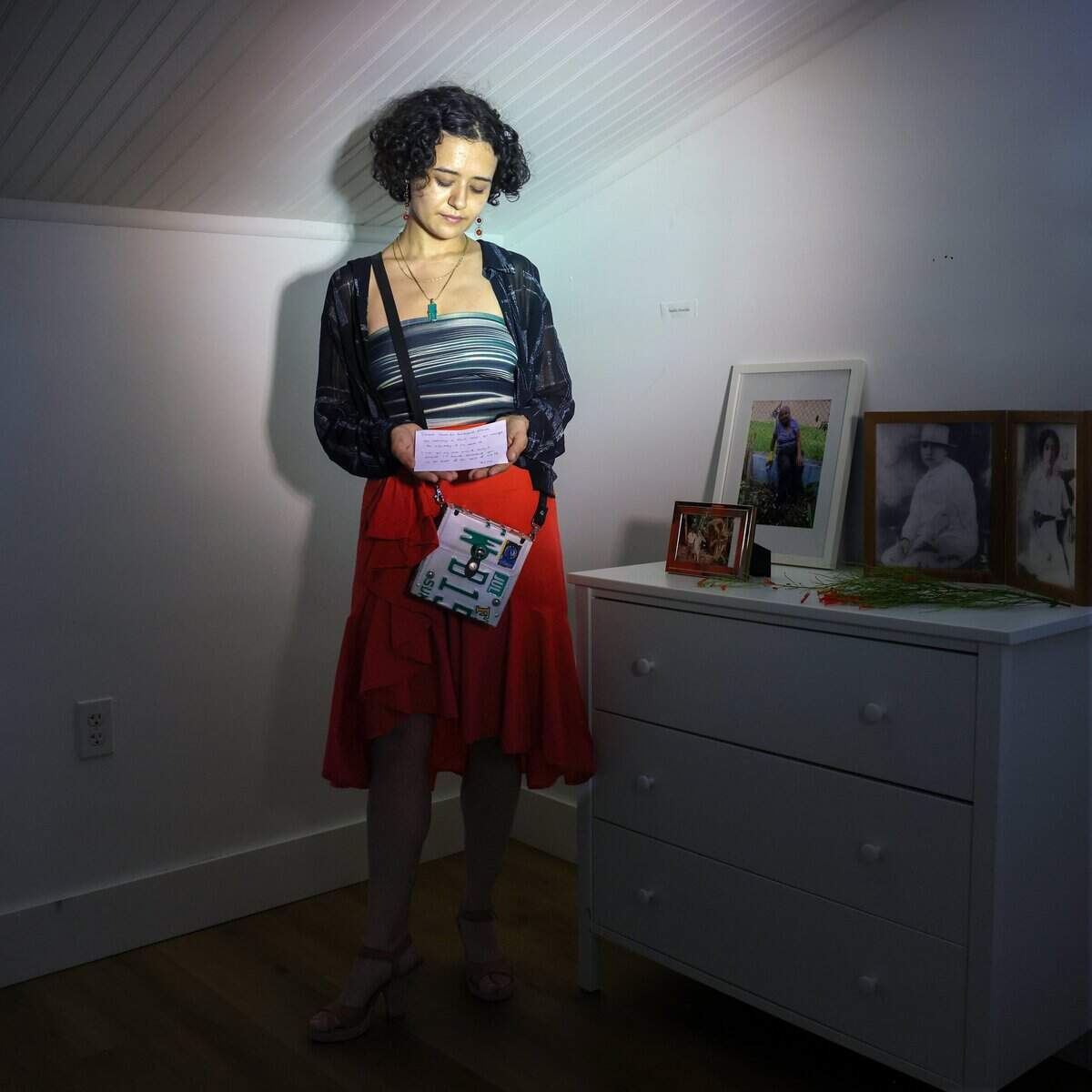 Artist Claribel Avila, stands in the attic as she holds a note she wrote at an art event hosted in a 100-year-old home slated for demolition. Carl Juste cjuste@miamiherald
Conrad Prophet, 27, has known Corugedo since he was a freshman in college and said he was always blown away by the home’s architecture.
“We have this history,” Prophet said. “There are going to be a lot of Miami people who profit off this change, but at the same time, we still have to hold sacred and honor the old, the past generations of Miami who’ve been here.”