
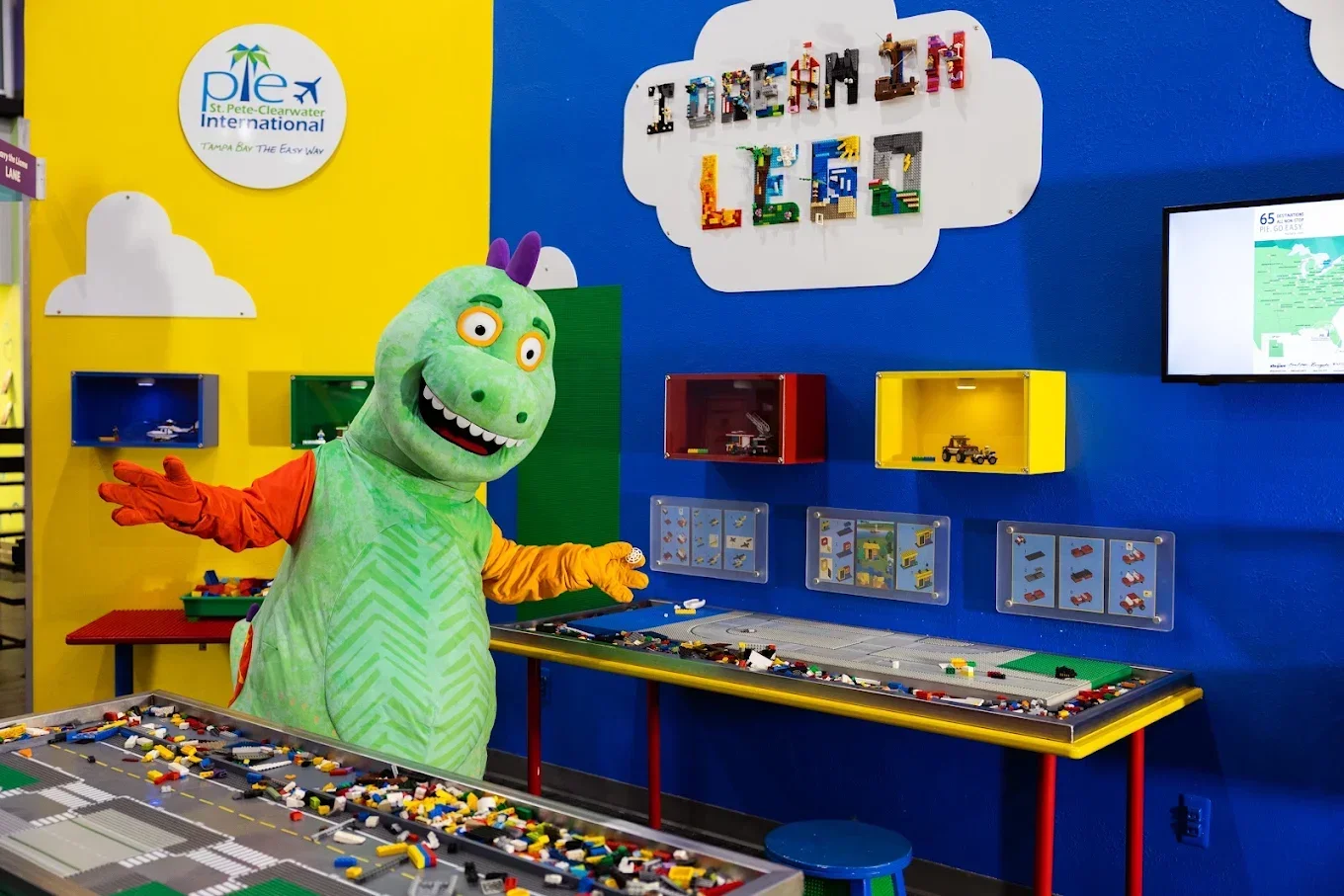
The existing museum would remain while the elementary school campus would become the discovery center.
Working with Wannemacher Jensen Architects, exhibits would emphasize imaginative play and problem-solving for younger attendees.
For older students, programming would lean toward career exploration with experiences in chemistry, space, architecture, robotics, and 3D printing.
During this week’s information session, both kids and adults presented a detailed list of additional ideas for the 80,000-square-foot campus, including exhibits and education focused on coding, drones, video production, and artificial intelligence (AI).
They also noted several ways to utilize existing infrastructure, such as building a splash pad in the concrete courtyard and using the cafeteria’s kitchen for food science classes.
Great Explorations had previously acquired a collection of science-based exhibits from a Chicago children’s science museum that closed during the Covid pandemic. Those exhibits are now in storage and would be part of the new discovery center.
The new center would focus on programs related to physical sciences, life sciences, applied sciences, and natural sciences.
Howell said the museum will likely kick off a capital campaign next year with the goal of raising around $15 million to cover the renovations and associated costs.
The expanded presence and footprint would mark a new chapter for the museum.