
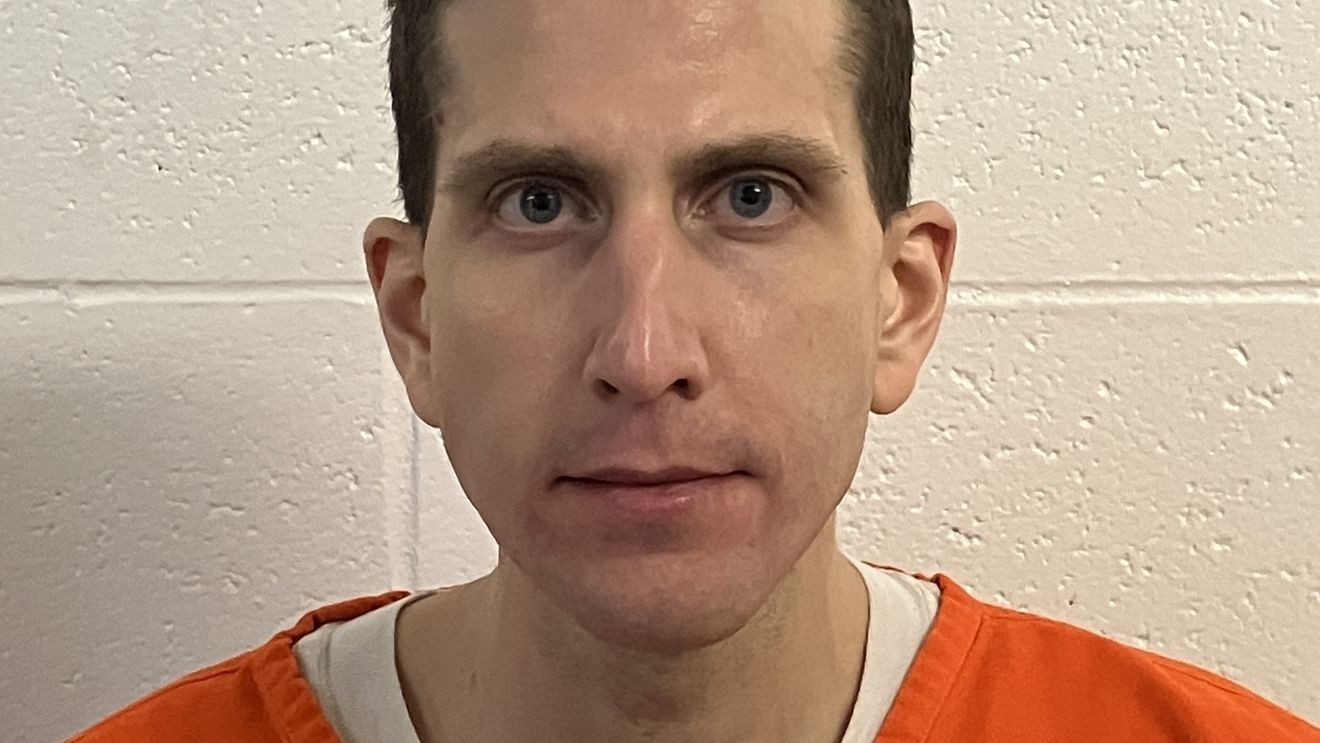
BOISE, Idaho (CBS2) — The New York Times is reporting that Bryan Kohberger is seeking to abandon his guilty plea and now go to trial, claiming he is innocent.
In an interview with the New York Times, Kohberger explained that “My actual innocence is my truth, and the plea, hinged on by false promises and blatant disinformation, must be withdrawn.” Kohberger did not offer any insight into what false promises or disinformation he was referring to, instead offering that those details would need to come out at trial.
Bryan Kohberger pled guilty to murdering four University of Idaho students, Ethan Chapin, Xana Kernodle, Madison Mogen, and Kaylee Goncalves, in their off-campus home.
The NYT article details the evidence brought against Kohberger in the lead-up to trial, including the fact that he owned a white Hyundai Elantra like the one seen on security footage driving around the victim’s home, or that his cell phone showed him leaving home before being turned off during the time of the murders. Kohberger’s Amazon account showed he purchased a K-Bar knife and sheath a few months prior to the murders, and a matching K-Bar knife sheath was found at the scene of the crime, with his DNA on it.
Related: The knife sheath that brought down a killer | Gem State: The Idaho Student Murders Podcast
As part of Kohberger’s plea deal, which allowed him to avoid the death penalty, he had to agree that he could not later appeal the decision. Latah County Prosecutor Bill Thompson said, speaking at a press conference after the sentencing hearing, that he made the decisions he did believing it was the best way to get justice for the victims, while avoiding unnecessary heartache and revictimization of their families through a long and drawn-out death penalty trial and the subsequent appeals process.
The NYT article reports that Kohberger drafted the claim to abandon the plea agreement himself, and says that it has been filed with the courts. The Idaho cases of interest page does not show any official filings as of publication. It is not yet clear whether Kohberger will be given a hearing, though the part of his plea agreement preventing him from appealing will likely be a difficult hurdle to overcome in the court system.
Attorney General Raúl Labrador released the following statement on Monday, after convicted murderer Bryan Kohberger filed a petition for post-conviction relief, seeking to reopen the case in the 2022 killings of four University of Idaho students, Madison Mogen, Kaylee Goncalves, Xana Kernodle, and Ethan Chapin.
“My heart goes out to the families of Madison, Kaylee, Xana, and Ethan, who have already endured unimaginable loss and now must face today’s deeply painful news,” said Attorney General Labrador. “My office stands ready to do whatever is necessary to ensure justice is fully carried out.”
The Goncalves family put out a statement on Monday condemning Kohberger’s actions.
“The mosquito you just can’t seem to swat”—that is what Kohberger and his following have become to this family. We read Mr. Baker’s story. He must be so proud of himself for speaking with Mr. Kohberger and his sister, giving them a platform to spread their narrative. The piece had little else to offer beyond a guilty man once again claiming he is innocent. Nowhere in the story—or in Kohberger’s own statement—does he not acknowledge that he “knowingly, voluntarily and intelligently” admitted to murdering the four victims of this tragedy: Kaylee, Maddie, Xana, and Ethan.” The statement reads.
“Quite the opposite. He appeared in court for a hearing before a judge, accompanied by his four lawyers. He chose not to leave his fate—or the facts of the case—to a jury. He never cried foul, never claimed he was uninformed or pressured, and never suggested there were problems with the discovery materials he and his counsel had reviewed for two years that should have been challenged. He admitted his guilt. When asked whether he was actually guilty, he answered, “Yes.” We would have preferred a death-penalty trial; we believe fully in the evidence. Instead, BK received exactly what he asked for: a deal that spared his life. Know this—he hates that life. He wants another chance to roll the dice. There will almost certainly be a hearing; that is how the legal process works. The defendant will get another day in court—a welcome break from solitary confinement: a ride, perhaps different food, photos taken, and the spotlight once again fixed on him and his supposed “innocence.” The real tragedy is this: if even a fraction of the energy spent trying to free a guilty man were directed toward honoring the victims, there would be statues of them on every corner, parks bearing their names, and days set aside to remember the lives they lost at the hands of a narcissist.”