
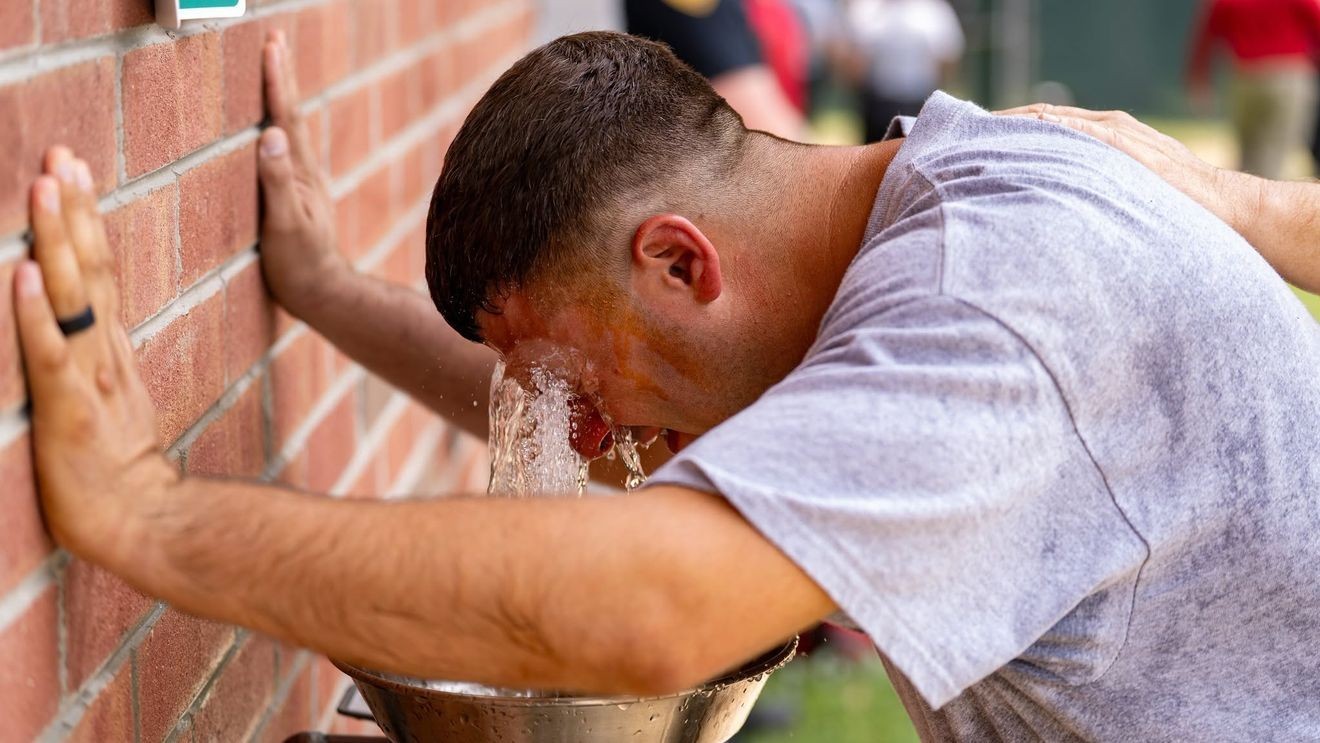
TALLAHASSEE, Fla. — There were plenty of watery eyes, runny noses and grimaces this week as Tallahassee Police Department cadets experienced one of the academy’s most memorable training exercises: exposure to OC spray.
The department shared that recruits were intentionally sprayed as part of their training, giving future officers a firsthand understanding of what it feels like to be exposed to the less-lethal tool they may one day carry on duty.
“While it may not have been their favorite day at the academy, it will likely be one of their most memorable,” the department said. “Experiences like this build confidence and a better understanding of what officers may encounter in the field.”
What is OC spray?
OC spray, commonly known as pepper spray, is a less-lethal force option used by law enforcement officers to temporarily incapacitate a person who is combative or poses a threat.
The active ingredient is oleoresin capsicum (OC), a natural oil extracted from hot chili peppers. The compound contains capsaicin, the chemical responsible for the burning sensation associated with peppers.
Pepper spray is typically mixed with water, alcohol or another carrier solution and dispensed as a stream, cone or mist from a handheld canister.
How does it affect the body?
When sprayed into the face, OC spray quickly causes:
Intense burning of the eyes and skin.
Involuntary eye closure.
Heavy tearing.
Runny nose.
Persistent coughing.
A burning sensation in the mouth and throat.
Temporary difficulty breathing normally due to inflammation of the airways.
While the effects can be intense, they are generally temporary and begin to subside within 30 to 45 minutes, though discomfort can linger longer.
Why officers experience it in training
Many law enforcement agencies require recruits to undergo OC spray exposure before graduating from the academy.
The training serves several purposes:
Demonstrating the effects of the spray so officers understand what subjects experience.
Teaching recruits how to continue performing essential tasks despite temporary impairment.
Building confidence in using the tool appropriately.
Reinforcing proper decontamination procedures after exposure.
After being sprayed, cadets are typically required to complete a series of tasks, such as communicating over a radio, handcuffing a subject or navigating an obstacle course, before beginning the decontamination process.
Police officials say the experience helps prepare recruits for situations where they could accidentally expose themselves or fellow officers while using pepper spray during an arrest or other law enforcement encounter.
The Tallahassee Police Department said the challenging exercise is designed to better prepare its newest officers for the realities of the job before they begin serving the community.