
WEST PALM BEACH, Fla. (CBS12) — Grab the gloves, gauges and tickle sticks: Florida’s annual lobster mini season is underway.
The two-day recreational spiny lobster sport season opened Wednesday and continues through Thursday, giving divers and snorkelers an early opportunity to chase the clawless crustaceans commonly called “bugs.”
The Florida Fish and Wildlife Conservation Commission is reminding participants to check their equipment, review the harvest regulations and put safety first before entering the water.
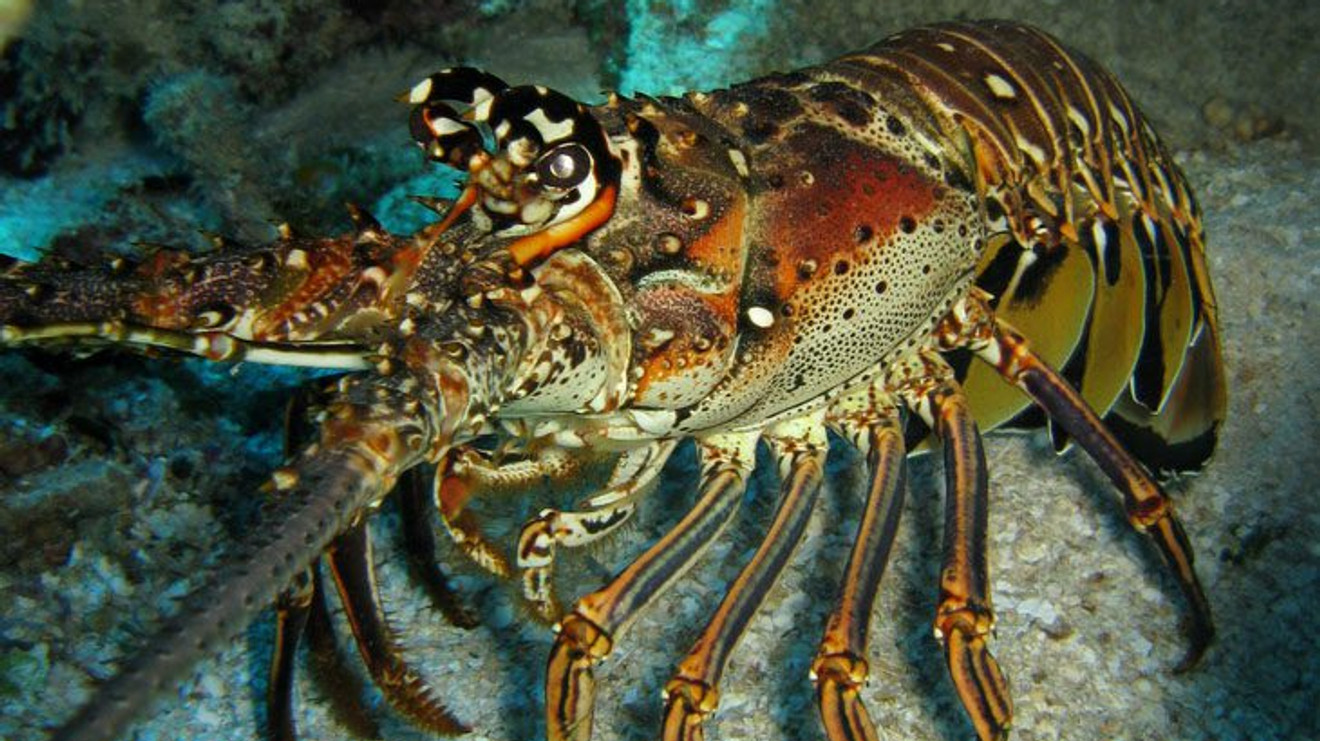
The season attracts thousands of recreational harvesters to reefs, rock ledges and other areas where spiny lobsters hide along Florida’s coastline. Unlike their northern relatives, Florida spiny lobsters do not have large claws. They instead rely on their hard shells, sharp spines and long antennae for protection.
How many lobsters can you keep?
In Palm Beach County and most other Florida waters, each properly licensed person who is actively harvesting may keep up to 12 lobsters per day.
The daily limit is six lobsters per person in Monroe County and Biscayne National Park.
Passengers cannot be counted toward a vessel’s catch unless they are properly licensed, when required, and actively participating in the harvest. Possession limits are enforced both on and off the water.
Measure before taking a lobster
Every lobster must have a carapace measuring more than 3 inches. The carapace is measured from the area between the lobster’s horns to the rear edge of its shell.
The measurement must be taken while the lobster is still in the water, and harvesters must carry a measuring device at all times.
Undersized lobsters must be released immediately, alive and unharmed.
See also: Check your ticket! $800 million Mega Millions winning ticket sold in Florida
Egg-bearing lobsters are also protected and must be returned to the water. The eggs are typically found attached beneath the lobster’s tail.
Harvesters may not use spears, hooks or other equipment that could puncture, penetrate or crush a lobster’s shell or flesh. Recreational lobster traps are prohibited.
Lobsters must also remain whole until they are brought ashore. Separating the tail from the body while on the water is illegal.
Licenses and permits
Unless exempt under state law, anyone harvesting spiny lobster must have both a Florida recreational saltwater fishing license and a spiny lobster permit.
The FWC recommends that participants confirm their licenses are valid before leaving the dock.
Registered participants in the 2026 Lionfish Challenge may qualify to take one additional lobster per day during the sport season. Eligible harvesters must have met the program’s lionfish-removal requirements and carry their physical FWC-issued challenge coin.
Protected areas and Keys restrictions
Additional restrictions apply in Monroe County and the Florida Keys.
Night diving is prohibited in Monroe County during the two-day sport season. Harvesting is also prohibited in several protected areas, including Everglades National Park, Dry Tortugas National Park, John Pennekamp Coral Reef State Park and designated no-take areas in the Florida Keys National Marine Sanctuary.
Lobster harvest is also prohibited in the Biscayne Bay/Card Sound Lobster Sanctuary and five Coral Reef Protection Areas within Biscayne National Park.
Harvesters should check the rules for their exact destination before entering the water because local restrictions can vary.
Divers-down flags and boating safety
The busy mini season puts more divers and boats in the water than usual, increasing the importance of properly displayed divers-down flags.
Divers in open water must remain within 300 feet of a divers-down flag or device. In rivers, inlets and navigation channels, they must remain within 100 feet.
Boat operators approaching a divers-down flag must slow to idle speed within the same distances.
The FWC also recommends wearing a life jacket while a boat is underway, maintaining awareness of swimmers and other vessels and designating a sober operator.
Those using bully nets at night are asked to point their lights toward the water, avoid shining them at homes or people and keep noise down near waterfront neighborhoods.
The mini season ends Thursday. Florida’s regular recreational and commercial spiny lobster season opens Aug. 6 and continues through March 31, 2027.