
TAMPA, Fla. — The U.S. military is implementing testosterone testing for service members ages 30 and older as part of their periodic health assessment, a move drawing mixed reactions from Bay area veterans.
Defense Secretary Pete Hegseth said in a video posted on X earlier this month that the test will be added to the annual health assessment for “warfighters aged 30 and older.”
He said service members under 30 may choose to take the test voluntarily, and treatment for those who test for low testosterone will be optional.
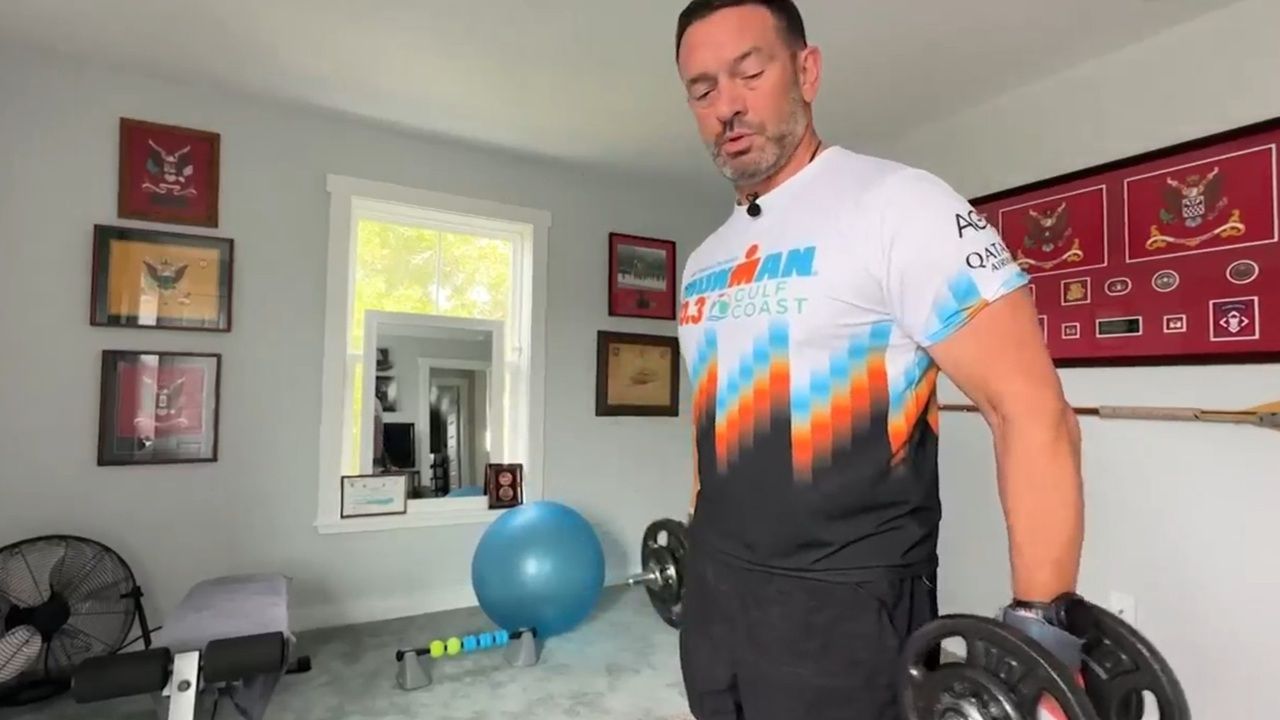
Army veteran Paul Huszar said he questions whether the testing is the right approach.
“I think that it’s silly. It’s ludicrous,” Huszar said.
Huszar said he does not want to minimize the challenges faced by people with low testosterone, but he believes the policy is not based on strong science and could be counterproductive.
“The timing is bad. The policy is bad,” he said. “It’s not based on good science. I think it can be counterproductive at times when we should be asking ourselves, how can we be intellectually prepared for a volatile, uncertain, ambiguous future?”
Other veterans see possible benefits in the testing.
Navy veteran Bill Gregor said he has been dealing with low testosterone since 2025 and believes having those symptoms while serving could have affected his ability to do his job.
“You lose your mindset,” Gregor said. “Your mindset is not on the mission.”
Gregor said he hopes the testing could help identify health problems earlier, including issues that may affect a service member’s mental health.
“They may get ahead of the ball game on a lot of different issues that service members and veterans have during their service and after their service,” Gregor said.
Dr. Rafael Carrion, Chair of the USF Health Department of Urology and Tampa General Hospital, said symptoms of low testosterone can include low energy, decreased muscle strength, and more.
“I firmly believe as a men’s wellness provider that it should begin at the age of 40,” Carrion said. “Others use 50 as a definite parameter, as a male, start to get this hormone checked.”
Carrion said a low testosterone test result does not necessarily mean someone has a medical problem because each person is different. He also said women can have low testosterone and should start checking the hormone at 35.
Testosterone levels in men decline naturally with age and have long been linked to issues like erectile dysfunction, low libido, mood changes, and weight gain. But experts have debated for years how to diagnose those problems and whether they should be treated by replacing the hormone.
Hegseth’s announcement comes as Health Secretary Robert F. Kennedy Jr. and other Trump administration officials are moving to make it easier for doctors to prescribe testosterone. Last month, the Food and Drug Administration proposed easing prescribing limits on testosterone gels, pills, patches, and injections.
The current FDA label specifies that the medications are only for men with hypogonadism, a medical condition that causes drastically low testosterone.
Information from the Associated Press was used in this report.