
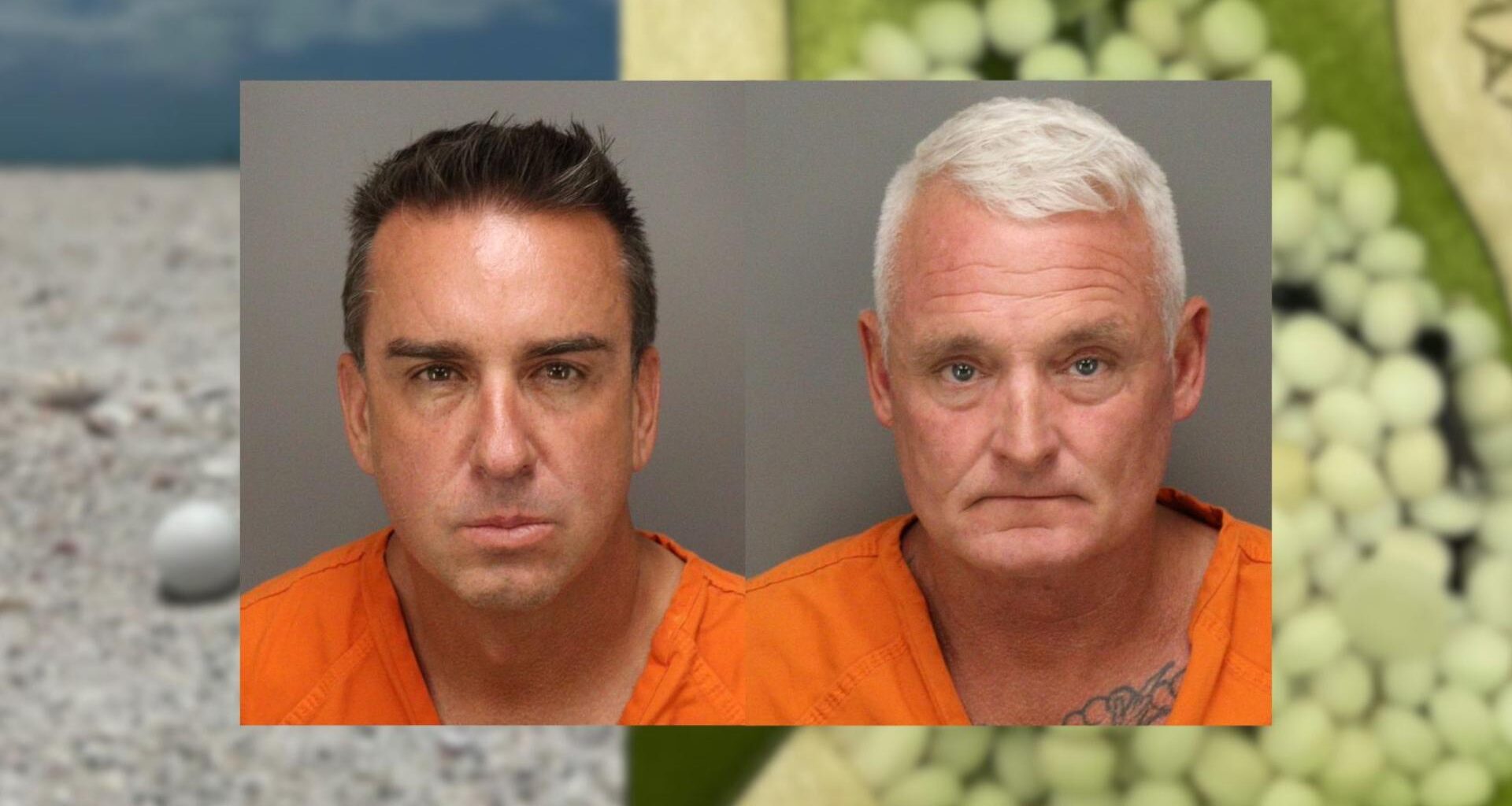
Investigators say Robert Czyszczon, the owner of Plaza Beach Hotel, and Christopher Monroe, owner of Chris’ Beachside Bar, are facing charges.
ST. PETE BEACH, Fla. — Two business owners have been arrested after investigators say they placed several mothballs on St. Pete Beach to scare off nesting birds.
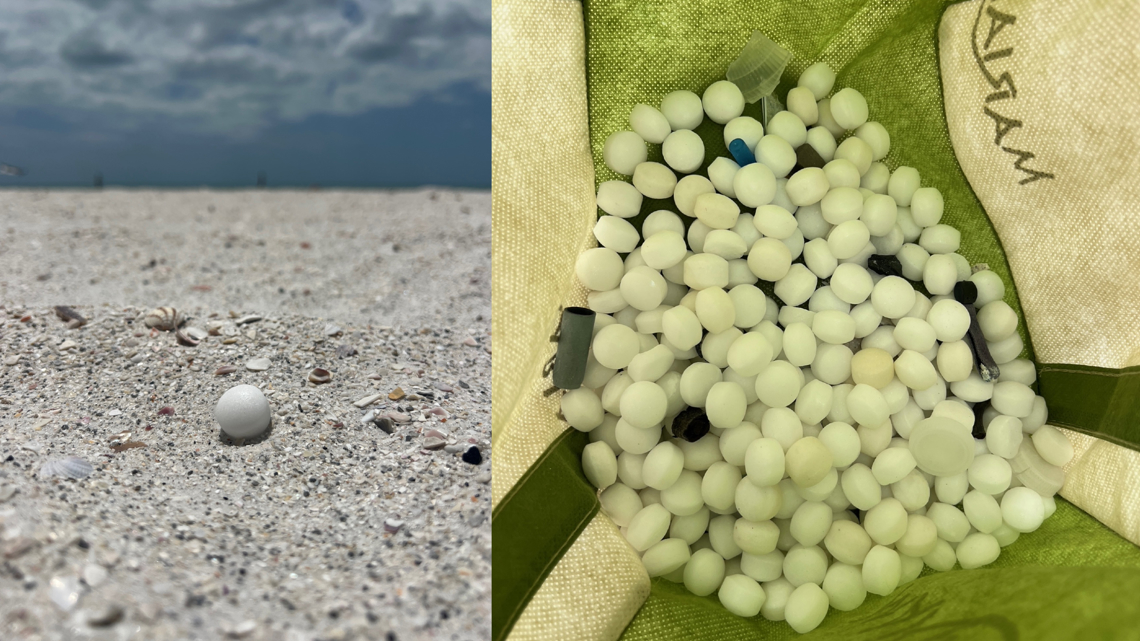
The investigation began on April 20, when the Florida Fish and Wildlife Conservation Commission (FWC) received a call about almost 1,000 mothballs scattered behind the Plaza Beach Hotel.

This story continues below.
Volunteers and FWC officers responded and removed the mothballs, but the next day, about 500 more were reportedly found in the same location on the beach in an area where black skimmer shorebirds were trying to establish a nesting colony.
The FWC determined that the mothballs were an attempt to deter the skimmers from nesting behind the hotel. Investigators say videotaped surveillance and receipt records at a local Walmart revealed that Robert Czyszczon, 47, the owner of the Plaza Beach Hotel, purchased a large quantity of mothballs that same day before they were placed on the beach.
Warrants were obtained for cell phone information, which showed Czyszczon was on the beach both nights the mothballs appeared. “Incriminating” text messages also reportedly showed that a second suspect, Christopher Monroe, 52, the owner of Chris’ Beachside Bar, was involved in the scheme.
Investigators say cell phone tower data placed Monroe at the same location as Czyszczon on both nights prior to the mothballs appearing on the beach.
“The commercial economic gain was obvious from us on the investigative piece of it, and one of the text messages specifically, I’ll read it verbatim, said, ‘Why didn’t you tell me we’d lose $25-50,000?'” Captain Matthew Delarosa with the FWC said.
Due to the FWC and volunteers’ quick response, the birds were not harmed.
Czyszczon and Monroe are now facing felony littering for commercial purposes and misdemeanor attempt to take threatened shorebird species, officials say.
RELATED: FWC investigating after hundreds of mothballs illegally placed on St. Pete Beach
What are mothballs? Are they toxic to wildlife?
Mothballs are intended for indoor use only and contain chemicals that can be toxic to humans, birds and other wildlife. When placed on beaches, officials say they can also be blown into the water, creating additional hazards for marine life and waste into marine environments.
Black skimmers are a state-listed imperiled species in Florida. Because there are low population numbers, wildlife officials say it’s important to their overall population health that they have a successful nesting season.
Florida’s beaches provide critical habitat for the birds, as they face increased challenges during nesting season, and any activity that contaminates or disturbs nesting and foraging habitat can have serious consequences for their survival and recovery.
“Our officers remained committed to uncovering the facts and ensuring those responsible were held accountable,” said Major Evan Laskowski, FWC Southwest Regional Commander. “The illegal use of chemicals that can harm wildlife has no place on Florida’s beaches, especially in areas where threatened and endangered shorebirds depend on safe nesting habitat. This case demonstrates our commitment to protecting Florida’s natural resources through thorough investigations and strong partnerships.”