
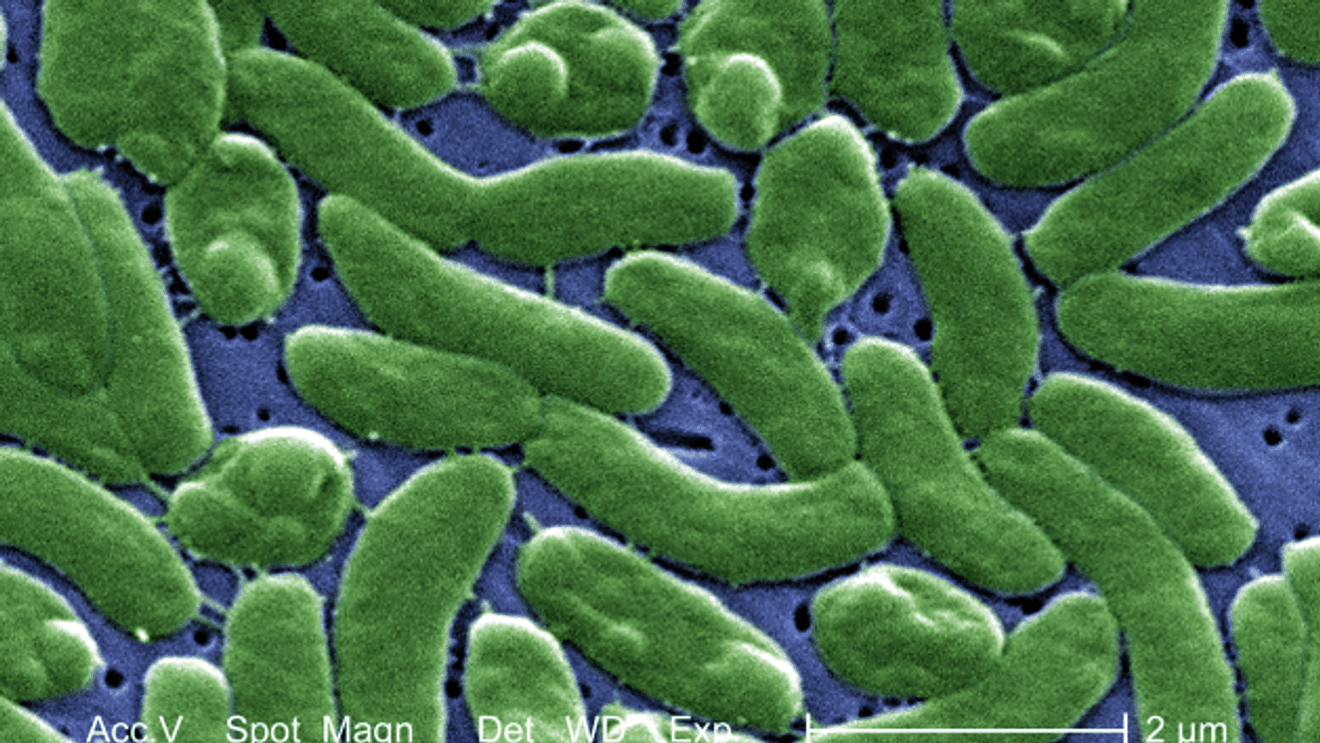
PALM BEACH COUNTY, Fla. (CBS12) — A person in Palm Beach County has died after contracting a potentially deadly bacterium found in warm coastal waters and raw shellfish, according to newly updated state health data.
The death is Florida’s first linked to Vibrio vulnificus in 2026.
The Florida Department of Health reported 11 confirmed infections statewide as of July 23, including two cases and one death in Palm Beach County. State officials have not publicly identified the person who died or disclosed how or where the infection was contracted.
Palm Beach County is the only county in Florida with a reported Vibrio vulnificus death so far this year.
The state’s 2026 cases were reported in eight counties:
Hillsborough County: one caseLee County: two casesMarion County: one caseMiami-Dade County: two casesOkaloosa County: one casePalm Beach County: two cases and one deathPolk County: one caseSt. Johns County: one case
The statewide numbers have more than doubled since early June, when CBS Miami reported five infections and no deaths. At that time, cases had been reported in Lee, Hillsborough, Miami-Dade, Palm Beach and St. Johns counties.
Vibrio vulnificus occurs naturally in warm saltwater and brackish water, where fresh water and seawater mix. People can become infected by eating raw or undercooked shellfish, particularly oysters, or when an open cut or wound comes into contact with contaminated coastal water.
The bacterium is sometimes called “flesh-eating” because a wound infection can develop into necrotizing fasciitis, a condition in which tissue surrounding the wound dies.
Healthy people may experience relatively mild illness, but infections can become severe for people with weakened immune systems or chronic liver disease, according to the Department of Health. Severe infections can cause bloodstream infections, blistering skin lesions, dangerously low blood pressure, tissue damage and death.
Health officials recommend:
Avoiding raw or undercooked oysters and other shellfishKeeping open wounds out of saltwater and brackish waterCovering wounds with waterproof bandages if contact with coastal water is possibleWearing gloves while handling raw seafoodPreventing raw seafood from contaminating cooked foodSeeking immediate medical care if a wound becomes red, swollen, painful or discolored after exposure to coastal water
Florida reported 33 Vibrio vulnificus cases and five deaths in 2025. The state recorded 82 cases and 19 deaths in 2024, when health officials reported an unusual increase in several Gulf Coast counties following Hurricane Helene.
See also: 3 West Palm Beach police captains fired after ‘double-dipping’ investigation
Symptoms and complications
Symptoms can vary depending on whether the bacteria cause an intestinal, bloodstream or wound infection, according to the Centers for Disease Control and Prevention.
Common symptoms of a Vibrio infection include:
Watery diarrheaStomach crampsNauseaVomitingFeverChills
A bloodstream infection can cause fever, chills, dangerously low blood pressure and blistering skin lesions.
Signs of a wound infection can include redness, pain, swelling, warmth, skin discoloration and fluid leaking from the wound.
The CDC says some Vibrio vulnificus infections can become severe and life-threatening. The bacteria can cause necrotizing fasciitis, a serious infection in which tissue around an open wound dies.
Patients who become seriously ill may require intensive care, surgery to remove dead or infected tissue or the amputation of a limb. About one in five people with a Vibrio vulnificus infection dies, sometimes within one or two days of becoming sick, according to the CDC.
Anyone can contract a Vibrio infection, but the CDC says the risk of severe illness is higher for people with liver disease, cancer, diabetes, HIV or thalassemia. People receiving immune-suppressing treatments, taking medication that reduces stomach acid or recovering from recent stomach surgery may also face an increased risk.
The CDC advises people to seek immediate medical attention if they develop symptoms of a bloodstream or wound infection, particularly after eating raw or undercooked seafood or exposing an open wound to saltwater, brackish water, raw seafood or seafood drippings.
Mild infections may not require antibiotics, but severe or prolonged infections can be treated with antibiotics. Wound infections may also require surgery to remove infected tissue.