
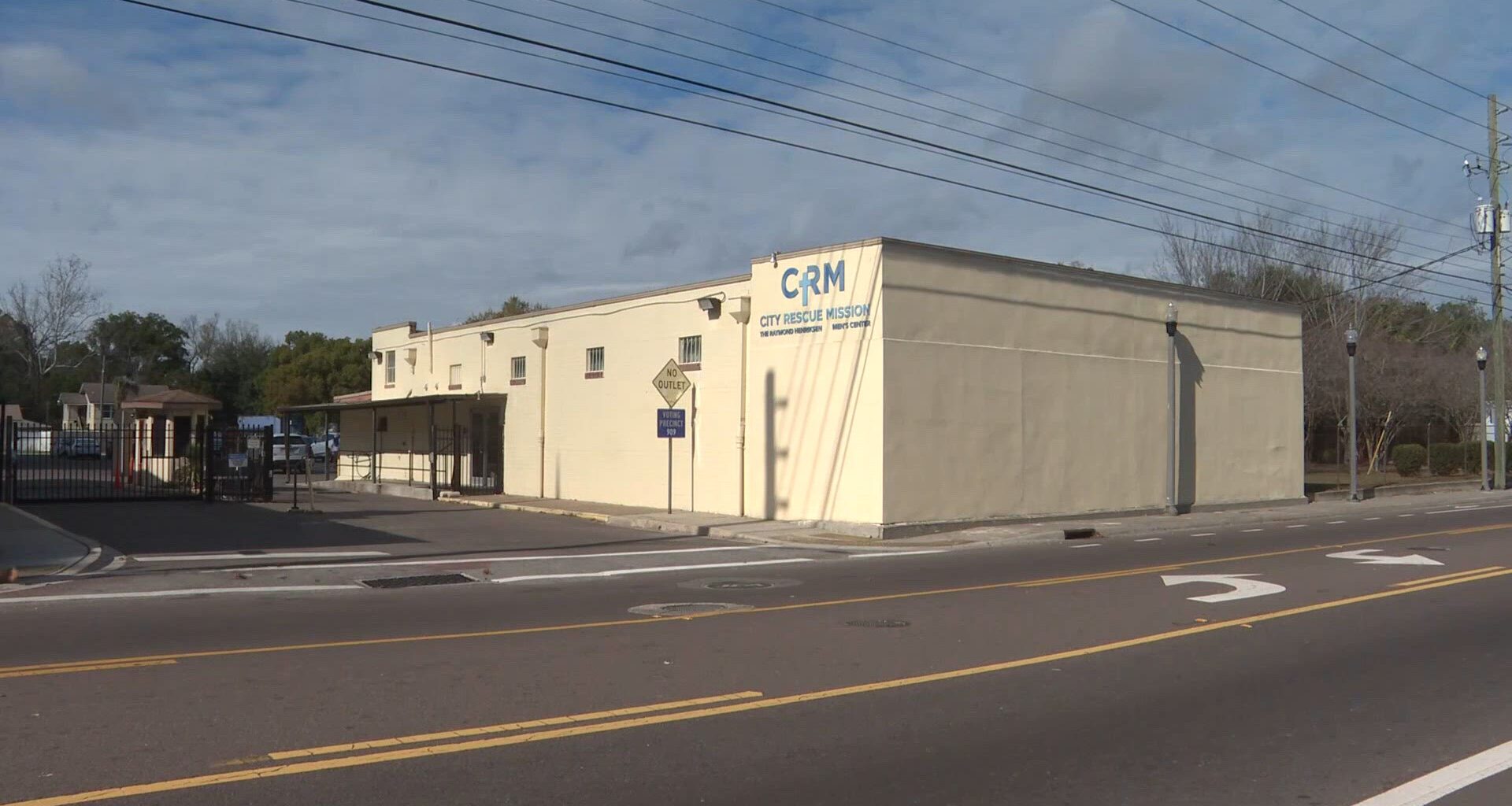
Jacksonville City Council’s unanimous rezoning approval allows City Rescue Mission to expand its McDuff Avenue campus, enhancing services for homelessness.
JACKSONVILLE, Fla. — The Jacksonville City Council unanimously approved a rezoning request Tuesday, paving the way for City Rescue Mission to begin a long-term expansion of its McDuff Avenue campus that leaders say will allow the nonprofit to serve more people experiencing homelessness and addiction.
The council voted 17-0 to approve the rezoning, which consolidates the organization’s 6.5-acre property into a single Planned Unit Development. City Rescue Mission officials said the change will make it easier to expand services over the coming years, including transitional housing, workforce development programs and emergency shelter.

This story continues below.
“This vote doesn’t change who we are,” Executive Director Paul Stasi said after the meeting. “What we want to do is just more of what we’ve been doing, offering shelter for anyone experiencing homelessness and recovery for people dealing with addiction.”
The McDuff campus, located at 426 McDuff Ave. S., operates 24 hours a day and provides emergency shelter, addiction recovery services, meals, clothing and other support for people experiencing homelessness and those living in poverty.
Supporters filled City Hall Tuesday, urging council members to approve the request. Among them was a City Rescue Mission graduate who shared how the organization helped him overcome addiction and rebuild his life.
“City Rescue Mission is one of the best decisions I ever made,” he told council. “Here I found more than shelter. I found hope, guidance and found myself.”
Others who spoke in favor of the rezoning included volunteers, local pastors and City Rescue Mission employees, who described the organization as a vital resource for Jacksonville residents in need.
“We have been and continue to be a valuable community resource, providing hope, stability and support for those most in need,” one employee said during public comment.
Stasi said the rezoning is the first step in a much larger vision for the campus. Future plans include additional transitional housing, expanded workforce development opportunities and more space for recovery programs.
The project, however, will not happen overnight.
“There’s a lot to build,” Stasi said. “This is the first hurdle to get over.”
He said construction will be completed in phases as funding becomes available.
“As we start one phase, then we can fundraise for another phase,” Stasi said.
City Rescue Mission estimates the full expansion could take 10 years or more to complete.
While Tuesday’s vote does not authorize immediate construction, it gives the nonprofit the zoning flexibility needed to begin planning and fundraising for future improvements.
Supporters said the expansion represents an investment in helping more people find stability, recovery and a path toward independence.