
TALLAHASSEE, Fla. — As Florida Attorney General James Uthmeier presses Catholic schools to recognize religious vaccine exemptions, the legal fight is raising a practical question for families in the Capital City: Could the schools they chose for faith-based education and specialized support eventually lose access to state scholarship programs?
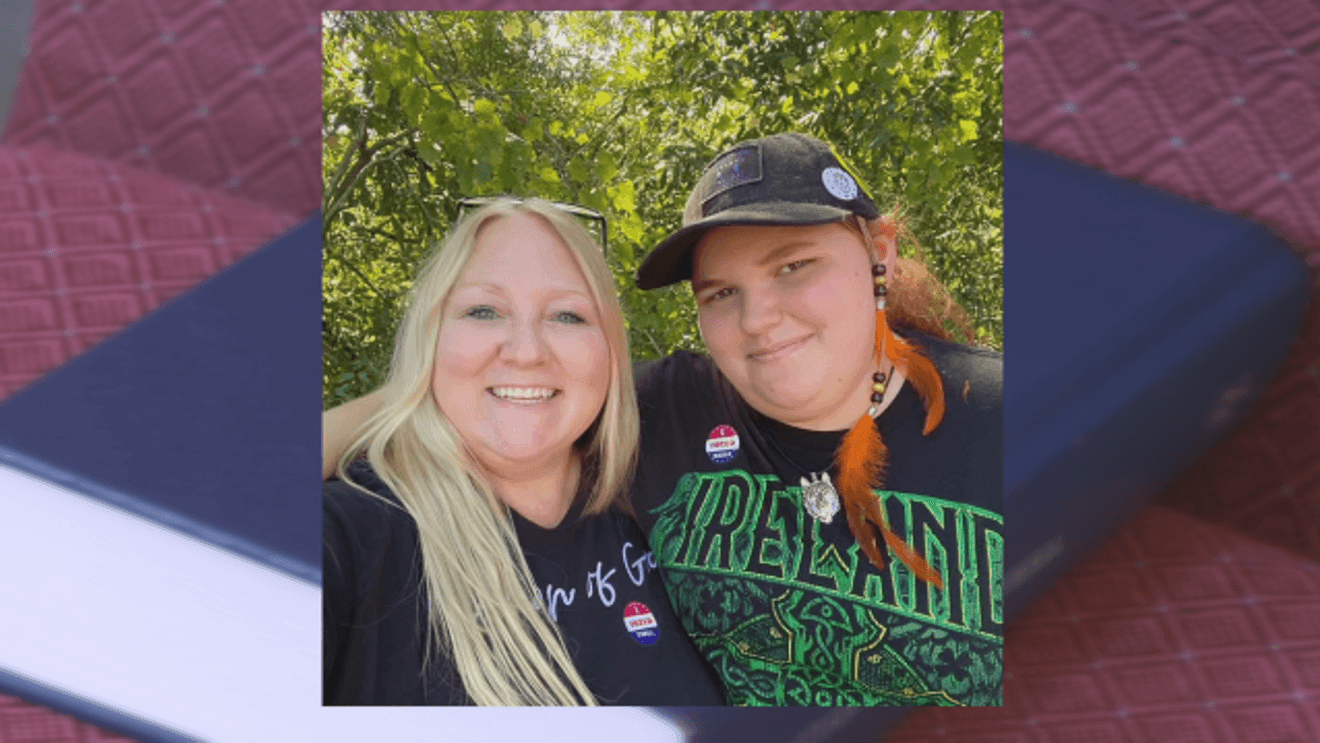
For Kimberly Ledford, the issue is deeply personal.
Ledford enrolled her daughter, who has autism, in Catholic schools in Tallahassee because she believed the smaller class sizes, individualized attention and religious education offered the best environment for her daughter to succeed. Her daughter graduated in 2021 after attending Trinity Catholic School and St. John Paul II Catholic High School, with tuition assistance through what is now the Family Empowerment Scholarship for Students with Unique Abilities.
“I knew that she was getting what she needed as well as getting a great education and the Catholic teachings,” Ledford said.
Her daughter is no longer in school, but Ledford said she worries about families who still rely on those scholarships.
“I hope they can get some sort of resolution,” she said. “I think the children should be the primary goal, what’s best for them, and not just to banter back and forth over what has become such a big political debate.”
The dispute stems from a four-page letter Uthmeier sent to Florida’s Catholic bishops, arguing that Catholic schools participating in state scholarship programs must honor religious exemptions from Florida’s childhood immunization requirements. He warned that schools refusing those exemptions could jeopardize their eligibility to participate in programs such as the Florida Tax Credit Scholarship and the Family Empowerment Scholarship.
Florida law allows parents to seek a religious exemption from school immunization requirements for children attending both public and private schools.
At the same time, the Diocese of Pensacola-Tallahassee — which oversees Catholic schools serving the Tallahassee area — states in its enrollment policy that students must be up to date on required vaccinations and that religious exemptions are not accepted.
That policy is at the center of the dispute.
Howard Wasserman, a constitutional law professor at Florida International University College of Law, said the case ultimately is not just about vaccine policy. Instead, he said, it asks whether the state can require a religious institution to change how it interprets its own doctrine as a condition of participating in a government program.
“Even if you are a member of that religious faith, you as a government official cannot tell a religious institution what its religious doctrine is or means or ought to be,” Wasserman said.
Wasserman said the courts would likely have to reconcile two competing legal principles: Florida’s statutory framework governing immunization exemptions and longstanding constitutional protections for religious liberty.
“The question that has to be resolved here is what happens when that runs up against constitutional and statutory protections for religious liberty,” he said.
The legal question could have statewide implications.
The Florida Catholic Conference says nearly 95,000 students attend Catholic schools across Florida, many with the help of state scholarship programs.
Despite Uthmeier’s warning, no Catholic school has lost eligibility to participate in those programs.
FOX49 asked the Attorney General’s Office what legal authority it believes allows the state to require Catholic schools participating in scholarship programs to honor religious vaccine exemptions, whether it has asked the Florida Department of Education, Step Up For Students or any other agency to take action against Catholic schools, and whether parents should expect any policy changes before the school year begins or a longer legal process.
The Attorney General’s Office did not respond.
The Diocese of Pensacola-Tallahassee also declined an interview.
In a written statement, the Diocese said, “We are not able to participate in an interview at this time. We are reviewing the letter and will respond to the Attorney General by his requested date of August 7.”
That response mirrors the broader position of the Florida Catholic Conference, which has said Catholic schools are operating in accordance with both the law and Church teaching while preparing a formal response to the attorney general.
For now, families are left waiting.
No state agency has announced enforcement action against Catholic schools, and there has been no indication that scholarship funding will change before students return to classrooms. If the state attempts to enforce the attorney general’s interpretation and Catholic schools challenge it, the dispute could move from the public debate into the courts.
Until then, the legal questions remain unresolved, but for parents like Ledford, the concern is much simpler.
The debate, she said, should not lose sight of the students whose education could ultimately be affected.