
Home » TOURISM NEWS » St. Pete Beach Proposes New Tolls to Fund Infrastructure Repairs, But Local Businesses and Tourism Stakeholders Voice Concerns Over Tourism Revenue Impact
Published on
November 6, 2025

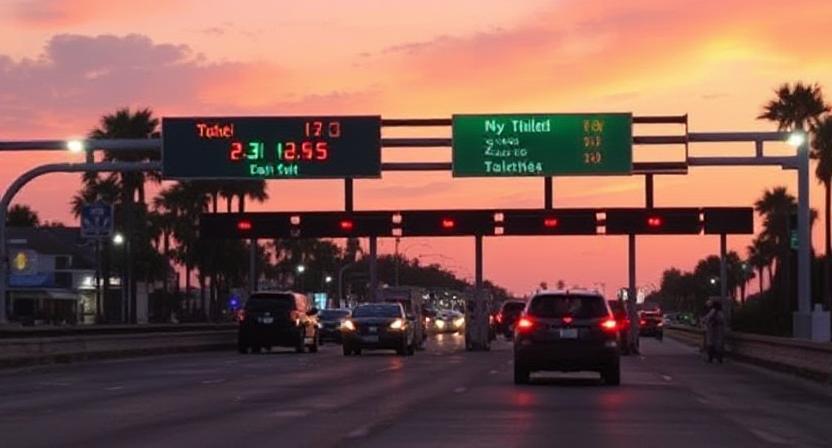
St. Pete Beach is thinking about making its north, central, and southern access points to the barrier island subject to tolls, according to a plan announced by Mayor Adrian Petrila. He proposed the concept as a way to rebuild infrastructure in the aftermath of Hurricanes Milton and Helene. But it has raised concerns among local businesses and the tourism sector, particularly about its impact on visitor traffic and economic well-being within the city’s hospitality industry.
Tolls for Tourists, Exemptions for Locals
The toll proposal is structured to only affect tourists, with business owners, employees, and residents exempt from the charge. The mayor has estimated that a $1 toll on each vehicle entering the island could generate $11 million annually. The revenue would be directed toward repairing critical infrastructure such as seawalls, stormwater systems, and sewer pipes, which were severely impacted by the recent hurricanes. According to the Florida Department of Transportation, the island sees an estimated 60,000 daily trips, with a significant portion of those coming from tourists.
While the plan is designed to fund necessary repairs, it has raised questions about how it will affect tourism and business operations on the island, particularly given St. Pete Beach’s reliance on tourism as a key driver of its local economy.
Impact on Tourism: Concerns from Local Business Owners
Tourism is at the heart of St. Pete Beach’s economy, and any proposal that could deter visitors is understandably met with resistance. Matt Vario, the owner of Toasted Monkey Bar and Restaurant, expressed concerns about the toll’s effect on local businesses, saying, “It’s just disheartening. It’s just another tax for a mismanaged city. It’s already a time when business is down from the hurricane, from people already struggling. It’s just one more burden on the common people that just want to enjoy the beach.”
Other business owners along the coastal portions of the beach fear that tourists, faced with the additional cost of the toll, may opt to visit other nearby areas like Treasure Island or Terra Verde. This shift in tourist behavior could lead to a reduction in revenue for restaurants, hotels, and other tourism-related businesses that are still recovering from the impact of the hurricanes.
A Strain on the Local Tourism Industry?
The concern about the toll’s potential impact on tourism is shared by several others, including Scott Tate, a challenger to Mayor Petrila in the upcoming March election. Tate believes that the toll could hurt local businesses, stating, “Something like this toll is really going to put a strain on these businesses. All those tourists and all the visitors that visit these restaurants and small businesses are simply going to go up the beach to Treasure Island. They’re going to go down to Terra Verde, and they’ll take their business elsewhere. I think this proposal is very shortsighted. It’s going to hurt our city.”
Balancing Infrastructure Needs and Tourism Growth
The proposal raises the question of how St. Pete Beach can balance necessary infrastructure investment with the need to maintain a thriving tourism economy. The mayor has emphasized that the $200 million needed for infrastructure repair is critical to ensuring the island’s long-term viability. However, tourism stakeholders argue that additional costs for tourists could undermine the very economic recovery the tolls aim to support.
The debate brings to light a larger issue: how can tourism-heavy cities like St. Pete Beach address infrastructure needs while minimizing the negative impact on the visitor experience? For tourism-dependent destinations, any proposal that could discourage travelers or reduce tourism traffic is a significant concern.
Feasibility Study to Address Concerns
Despite the concerns voiced by business owners and local residents, the city commission has agreed to conduct a feasibility study to evaluate the economic impact of the toll proposal. Commissioners expressed interest in exploring the project further, but many acknowledged the need to assess how the toll could affect not just tourism revenue but also local infrastructure and the broader economy.
The study will provide critical data to determine whether the tolls can raise the necessary revenue for repairs without severely impacting the island’s tourism sector. It will also assess the best way to balance tourism growth and infrastructure investment while supporting local businesses and communities.
Tourism’s Role in the Local Economy
The proposed tolls raise an important question: How can St. Pete Beach support the local economy and tourism growth in a way that benefits both residents and business owners? Tourism in St. Pete Beach generates significant revenue for the local economy, providing jobs in hospitality, restaurants, and retail. With the toll proposal still under review, the question remains whether the additional cost will harm the very industry that sustains the region.
The toll would help fund critical repairs, such as fixing stormwater systems, which would prevent future flooding and improve the quality of life for residents and visitors alike. However, tourism-driven areas like St. Pete Beach must carefully navigate how these charges are implemented to ensure that they do not put an undue burden on tourists—the lifeblood of the island’s economy.
Exploring Alternative Solutions for Sustainable Development
As the debate over tolls continues, alternative solutions should also be explored to generate revenue for infrastructure repairs without deterring tourists. For example, the city could consider public-private partnerships, special tourism taxes, or fundraising initiatives that focus on supporting sustainable development without creating barriers to tourism.
A combination of innovative funding sources and careful management of tourism resources can help St. Pete Beach balance the demands of tourism growth with environmental sustainability and community well-being.
A Delicate Balance for St. Pete Beach’s Future
The need for St. Pete Beach, especially in its post-hurricane recovery stage, requires the presence of tolls to address the infrastructure needs of the city. At the same time, not harming the industry of tourism-a source of cash inflow for the region-requires careful handling so as to avoid driving away tourists and disrupting the operations of businesses within the locality. It would be highly important to conduct a feasibility study that can provide the right avenue for St. Pete Beach to embark on rebuilding its infrastructure without compromising its status as one of the best tourist destinations.
