
FORT PIERCE – Plans for a massive, new mixed-used development on South Hutchinson Island meet all existing state law requirements, Fort Pierce city planners have concluded, leaving local government no apparent leverage over the 43-acre project.
Now it appears a grassroots challenge focused on state lawmakers could be the only remaining roadblock to a five-building, high-rise project designed to include housing, a hotel, commercial space and a marina.
Kev Freeman, city planning director, told the Fort Pierce City Commission Monday that provisions of a state law known as Live Local allow the developer to sidestep some traditional density, height, zoning and land use standards because it promises to maintain at least 40 percent of the residential units as “affordable housing” for the next 30 days.
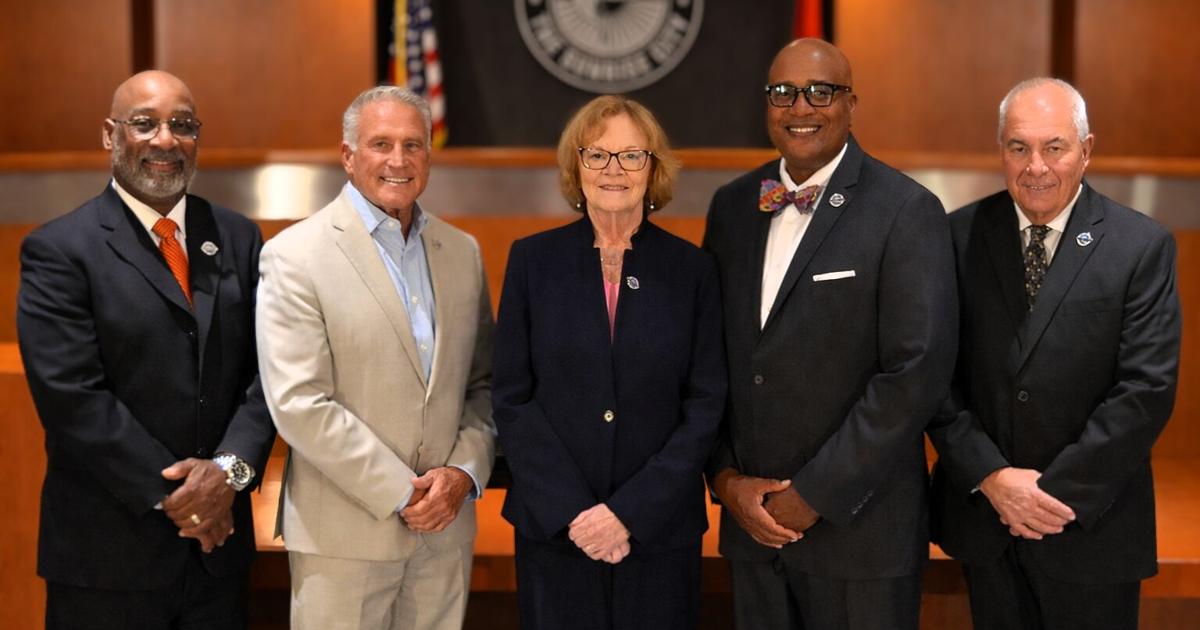
While commissioners have expressed unanimous opposition to the plan for Causeway Cove, they suggested Monday that they have no options, save a questionable legal battle that could cost local taxpayers millions with no guarantee of a favorable outcome.
Commissioner Michael Broderick, who along with Mayor Linda Hudson lives on South Hutchinson Island, observed that G. FLASH General Partners Inc., West Palm Beach, headed by Ashton DePeyster, a Palm Beach philanthropist and real estate developer, had done “an excellent job” of designing the plan to meet all the nuances of the state law designed to promote affordable housing.
“I’m not going to listen to this being the salvation of the city (tax base),” Broderick said. “This is an improper development at an improper location. This is one of the worst written laws of this state. It’s going to be a nightmare out there (South Hutchinson Island) and this city has no control.”
Freeman said the city already has consulted with regional and state transportation officials with concerns about the ability of Seaway Drive to accommodate the traffic counts and emergency evacuation plans the development will impact. He said the state has set requirements for driveways, turn lanes, a water taxi connection between Causeway Cove and downtown Fort Pierce, installation of a new public transit stop and providing shuttle service to the beaches. Those are not expected to present roadblocks to development.
Live Local provisions require approval of Causeway Cove building heights that meet the highest levels found in commercial/residential buildings located within a mile radius of the proposed location. Freeman said that means state law allows the proposed structures to rise 200 feet.
According to Freeman, the city has no choice but to “administratively approve” the plan–without public hearings–because it meets the state’s criteria.
Commissioner Chris Dzadovsky said he does not believe “the city can’t do anything,” arguing Fort Pierce should challenge the state’s “interpretations” of the Live Local Act.
Commissioner Arnold Gaines, himself an attorney, said state law is preeminent over contradictory local statutes and he warned other members to “be careful about throwing out hope.”
Commissioner Curtis Johnson Jr. attached blame to state lawmakers, saying, “We need to help our citizens understand this was done by people they put in (state) office” and he lauded city planners for “doing their job and doing it correctly.”
Hudson said she agrees with community sentiment opposed to the plan.
“Do I want a dense development like this? I do not,” she said. “The property should be developed but not this way. If you’re looking for your local government to stand up for you and stop this plan, you’re looking in the wrong place.”
Broderick suggested local citizens may take up the flag of opposition.
“They haven’t taken into account the will of the people,” he said. “Citizens are going to rally together and take action on their own. The will of the people has not been felt yet. The citizens of Fort Pierce are pissed off.”
Broderick did not elaborate on what specific citizen actions could be contemplated.