
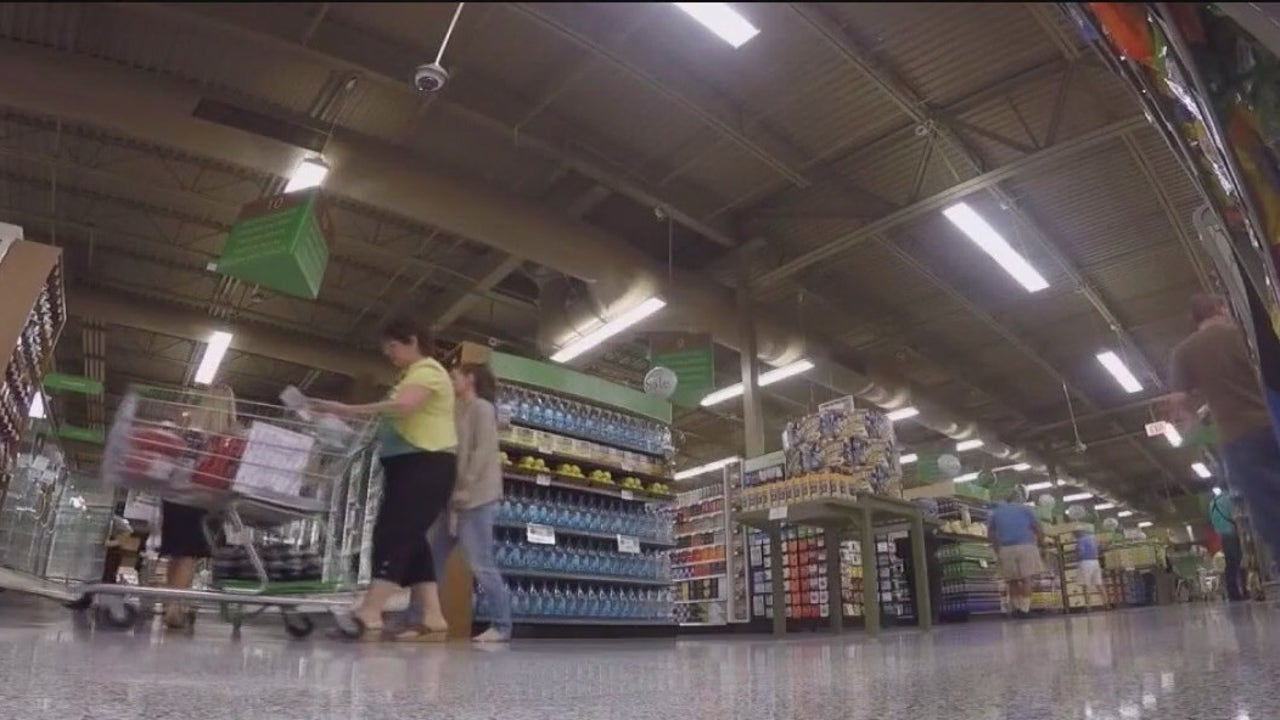
HILLSBOROUGH COUNTY, Fla. – Large parts of the Tampa Bay region, including both urban and rural areas, meet the USDA’s definition of food deserts. These are low-income areas where residents live far from grocery stores or markets selling fresh food.
What we know:
For many families, that means relying on convenience stores for most of their groceries, making it harder to maintain healthy diets. While the need for nutritious food is clear, for-profit grocers often avoid opening in poorer neighborhoods due to low profit margins and higher operating costs.
MORE COVERAGE: SNAP benefits: Here’s how much payments will be in November
The Proposal:
State Rep. Michele Rayner has introduced House Bill 337, which would allow local governments to streamline zoning rules and expedite approvals for small-footprint grocery stores offering nutrient-dense foods in food-insecure areas.
What they’re saying:
Rayner says current zoning timelines often make it too difficult for cities and counties to attract or approve new stores in these communities.
“As individuals and families across our state continue to face rising costs and fewer resources to help them in times of need, we need to work together to ensure everyone has easy access to affordable, healthy food,” Rayner said. “This legislation provides local leaders with the tools they need to bring healthy food options directly into communities that have been historically underserved. Access to healthy, fresh food is a right, not a luxury, and we should all want everyone in our state to be fed.”
By the numbers:
According to the USDA, a food desert is a low-income census tract where residents live far from a supermarket or large grocery store. Among the roughly three million Floridians who use SNAP benefits, about 70% are children, senior citizens or people with disabilities.
Local perspective:
Rayner’s district includes parts of eastern Hillsborough County and South St. Petersburg, both highlighted on the USDA’s “food access map” for having high poverty rates and limited proximity to supermarkets. In some neighborhoods in her district, more than one in four residents do not have access to a car, further complicating access to groceries.
Big picture view:
Rayner believes her bill could do more than improve public health. By empowering local governments to approve land use for smaller grocery stores, she says the legislation could also stimulate local economies and create new job opportunities.
This marks Rayner’s second attempt to pass the measure after a similar bipartisan version failed in committee earlier this year.
The Source: Information for this story comes from an interview with State Rep. Michele Rayner, USDA food access data, and the text of House Bill 337 filed in the Florida Legislature.