
Billionaires are leaving California and other West Coast states for Florida. That is not new.
But a new Fortune magazine analysis published Sunday raises a more interesting question for Miami: How much of the billions being moved by these new residents is benefiting South Florida?
Fortune estimates that the migration from California of some of America’s richest people could cost that state $29 billion that could have been collected from billionaires under California’s proposed 5% tax on billionaire wealth.
But $29 billion isn’t flowing into Florida.
So what does Miami get?
Florida clearly benefits when wealthy residents buy property, spend money and establish businesses. But there’s no simple “billionaire windfall” figure, Forbes reported.
When a billionaire buys a $100 million mansion, for example, the purchase price largely goes to the South Florida seller. Florida doesn’t collect an individual state income tax from the buyer. And investment income that might have generated substantial tax revenue elsewhere is not subject to a Florida individual income tax.
What Florida and local governments do collect includes property taxes, sales taxes and other taxes generated by spending and economic activity, the report said.
Miami-Dade residents can also benefit from the jobs, businesses, construction and professional services that accompany wealthy residents and corporate relocations.
So, the question for Miami is not simply how many billionaires are arriving or how much their houses are worth — it’s rather how much economic activity and tax revenue their actually creates.
Fortune concludes that the important question is how much economic activity and tax revenue their arrival actually creates in South Florida.
Citadel founder and Miami resident Ken Griffin is the best example of how billionaire migration can extend beyond residential real estate. Griffin moved Citadel to Miami in 2022 and has since invested heavily in Florida real estate.
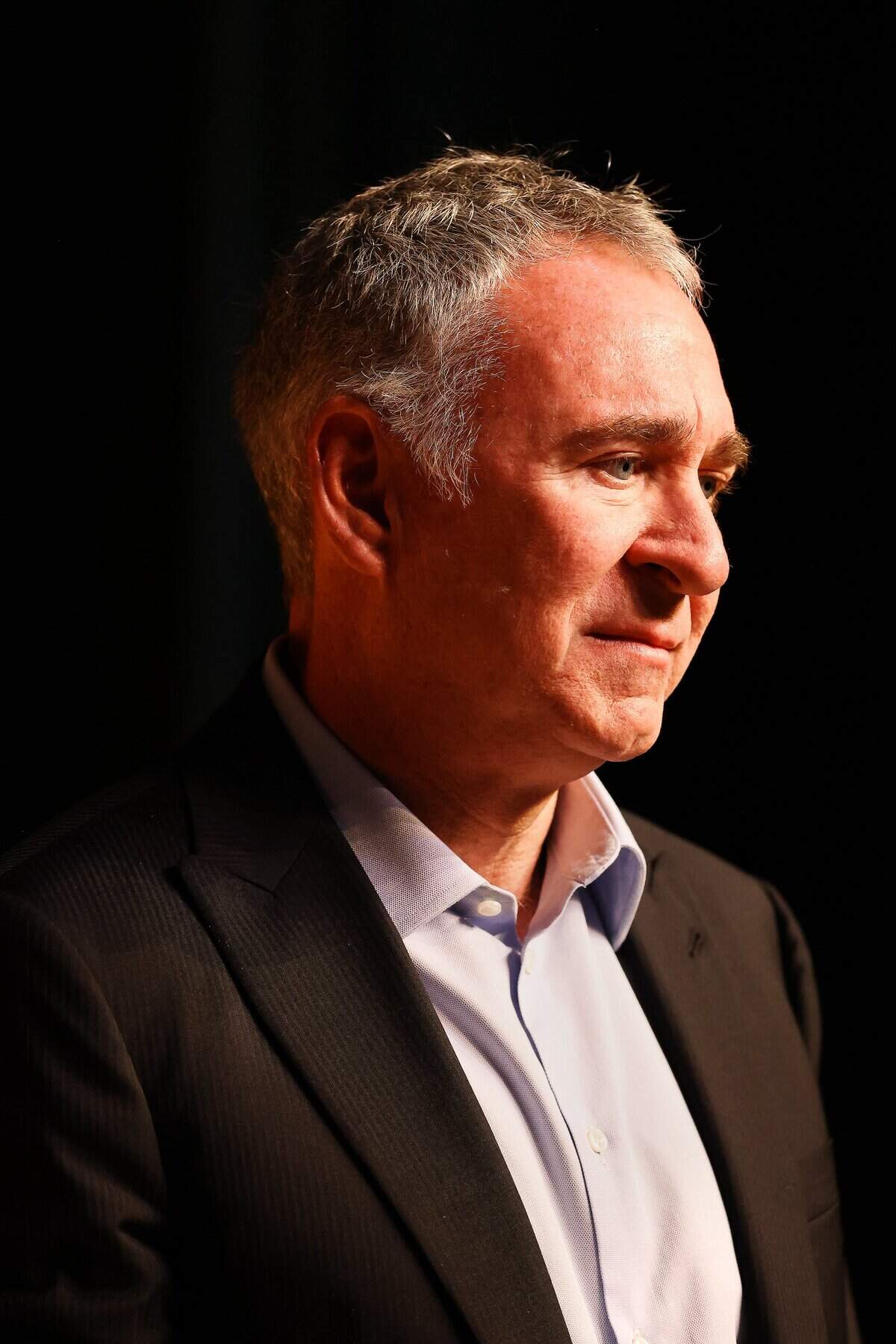 Citader founder billionaire Ken Griffin stands on stage after speaking to students during an assembly at Booker T. Washington Senior High School in February. Carl Juste cjuste@miamiherald.com
That’s where Miami’s billionaire migration becomes an economic development story rather than simply a luxury-real estate story. The important question isn’t simply how much billionaires spent on a house.
Fortune has reported that Griffin spent about $450 million on a 50,000-square-foot waterfront compound in Palm Beach County and paid $106.9 million for a Coconut Grove compound in 2022.
But the biggest potential economic impact is Citadel itself. The company is planning a 54-story Miami headquarters estimated to cost $2.5 billion. That’s much different than buying a mansion.
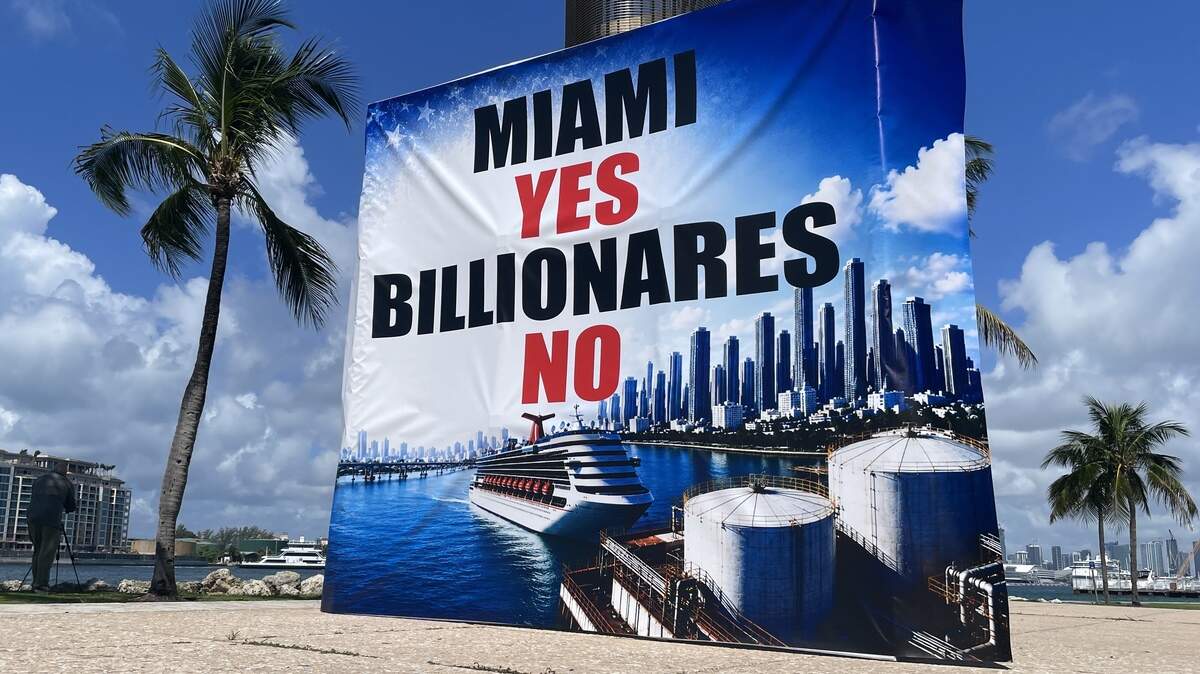
res No.jpeg "Miami Yes Billiona(i)res No") Billionaires are not always welcome. Back in May, a sign reads “Miami Yes, Billionares No” in support of returning Fisher Island’s fuel facility for PortMiami into the county’s hands Alexandra Phelps Miami Herald File
Billionaires are not always welcome. Back in May, a sign reads “Miami Yes, Billionares No” in support of returning Fisher Island’s fuel facility for PortMiami into the county’s hands Alexandra Phelps Miami Herald File
A corporate relocation can mean jobs, office construction, professional services, restaurants, housing demand and other economic activity.
The question is whether Miami is simply becoming a place where billionaires park their wealth, Fortune said, or whether their wealth is producing a measurable economic windfall for South Florida.

Luisa Yanez covers real estate and the impact of wealth migration in South Florida for the Miami Herald. In her work, she will be using both traditional reporting and AI tools.