


STOCK PHOTO
There’s a saying in the business world: “Half of entrepreneurship is investing in the person, not the idea.”
At 16 years old, Anik Sahai is committed to being a person worth investing in.
Along with being a full-time high school student taking college-level classes, he’s founded multiple companies, including an education nonprofit, created an award-winning app, and is developing software for the medical field to fix a long-standing problem for doctors and patients.

Anik Sahai is a 16-year-old entrepreneur attending Florida Atlantic University High School. -COURTESY PHOTO
And in his spare time, he designs robots and is building a self-driving golf cart.
Sahai, 16, is a student at Florida Atlantic University High School, a laboratory school offering dual-enrollment courses on the FAU campus in Boca Raton.
He started building with artificial intelligence in sixth grade, and coming from a family with 13 surgeons, including both parents, he naturally gravitated toward medicine. In seventh grade, his tinkering led to a skin-cancer detection app called SunGuard.
“My whole goal is to make an impact,” he said, “and so I looked at things that I could reasonably do that would still combine my interests of AI and biomed.”
Sahai is not your typical high school student, but he is typical of many young entrepreneurs in South Florida who, instead of aiming to conquer the world as the next Jeff Bezos or Elon Musk, set their sights on identifying problems and finding profitable ways to fix them.
In Sahai’s case, his latest venture emerged from watching his father’s frustrations with obtaining prior authorizations for medical procedures. He became the founder and CEO of AuthAI, developing AI software to accelerate the process.
“Prior authorization takes up a lot of doctors’ time, creates a lot of economic waste — around $35 billion — and it also causes patients a lot of harm because it causes delays,” he said.
He’s currently testing the software with local doctors. The goal is to free them up to spend more time with patients.
“Right now, I’m raising some pre-seed money just to try and do it,” he said. “But it’s been hard to develop while also being a full-time student and a researcher here at FAU.”
He credits the university with helping to connect him with tools and resources to realize his entrepreneurial ambitions.
“Opportunities are endless” at FAU High School, he said. “It’s just a matter of how much you take advantage of them.”
Plus, the Palm Beach area has no shortage of wealthy residents looking to invest.
“It’s all about getting in the room with the right people, and that’s half of entrepreneurship,” he said, quoting another popular business catchphrase: “Your network is your net worth.”
From ideas to business
About 100 entrepreneurs are enrolled in the Florida Atlantic Entrepreneurship Institute (business.fau.edu), which, in the last year, consolidated the university’s business degree programs into a single hub.
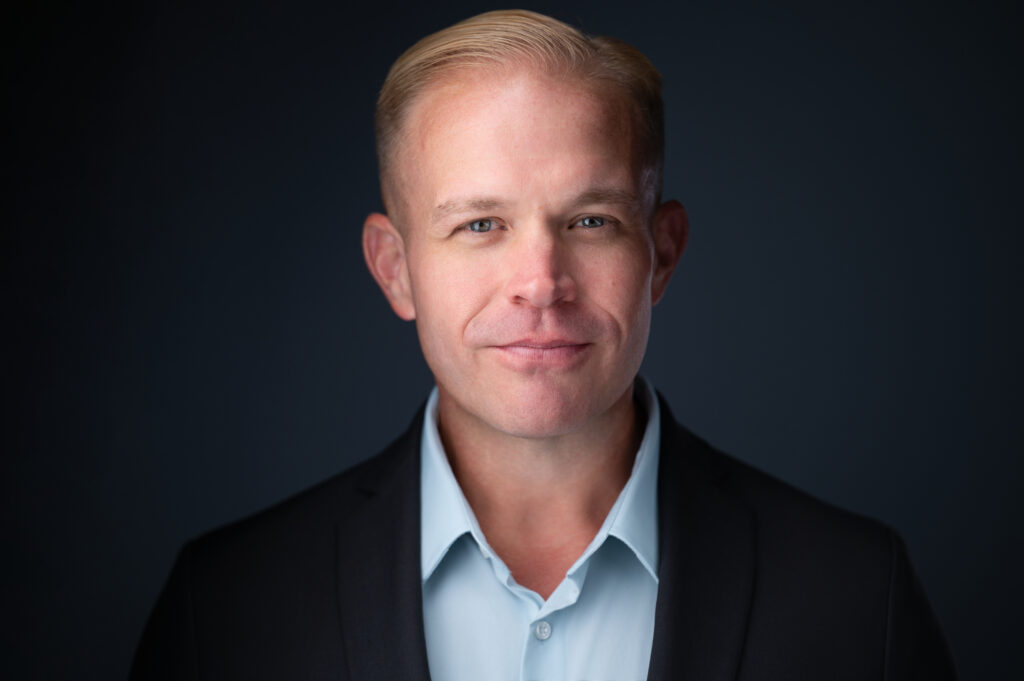
Kevin Cox is the director of the Florida Atlantic Entrepreneurship Institute. -COURTESY PHOTO
“We designed the program to support founders all along the way, be they students, faculty, veterans, or just people in the community,” said Kevin Cox, the institute’s director.
Forgoing traditional classroom cohorts, the institute allows entrepreneurs to learn at their own pace.
“Some of these founders move really fast,” Cox said. “Some of them, it takes quite a long time. Now we can accommodate both.”
Through dual-credit programs, FAU works with founders as young as 15. FAU High School allows students, if they choose, to graduate with both a diploma and a bachelor’s degree.
In 15 years of teaching entrepreneurship, Cox has seen a significant boost in the quality of student ventures, which he attributes to the competitive environment, along with the availability of AI and other online tools.
He said the biggest misconception young founders have is that investors are just looking for someone with a good idea.
“Institutional, professional, early-stage investors invest in startup companies that have products, prototypes, revenues,” Cox said. “Not just ideas.”
Mentors and connections
Daniel Guido, 24, graduated from FAU in May with a degree in mechanical engineering.
He is co-founder and CEO of FireCodes (firecodes.ai), an AI-powered research tool for fire-protection engineers.
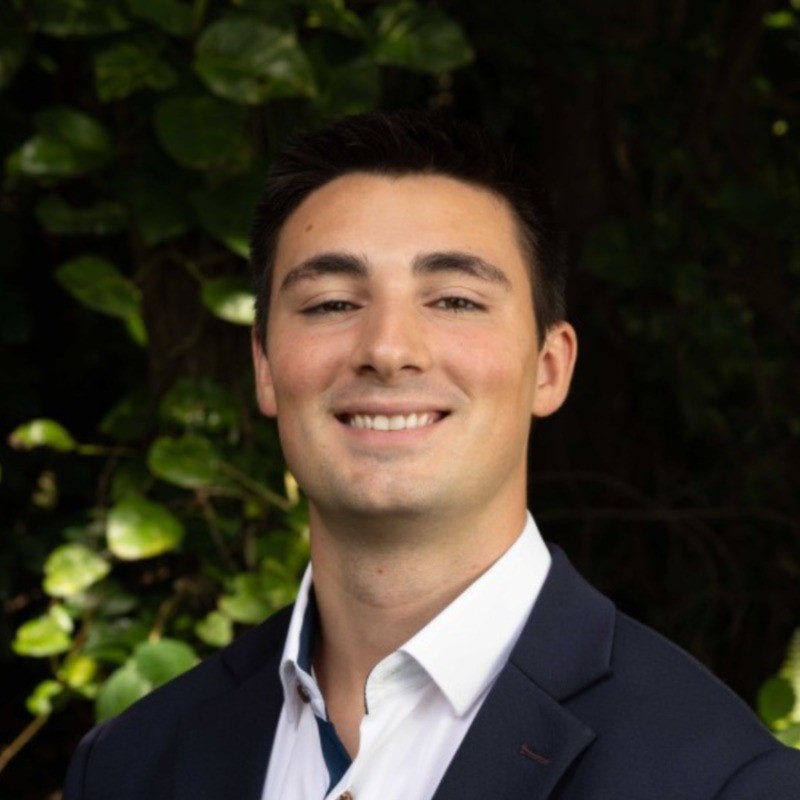
Daniel Guido is an FAU graduate and co-founder of FireCodes. -COURTESY PHOTO
Guido got the idea after working at a fire-protection firm in Boca Raton. He noticed engineers spending a lot of time researching codes.
“Our tool will summarize multiple jurisdictions, multiple different codebooks, and compile that information for you,” he said.
Given the wariness over AI-provided information, Guido designed the app to ensure it uses only appropriate codes.
“It’s built with a ton of guardrails to actually make it reliable for engineers and to actually never sacrifice safety and integrity,” he said.
One fire-sprinkler designer said the app cut his research time by as much as 40%.
Guido created the app while studying entrepreneurship at FAU. He said the university’s runway program provided him with mentors, resources and connections to a local network of investors and experts.
“You get lifetimes of information condensed into an hour talk,” he said. “I learned so much I would have learned the hard way.”
Those connections, along with funds won from “Shark Tank”-style pitch competitions, helped him obtain $20,000 in seed money.
His advice for other young entrepreneurs is to commit to their idea and not just chase trends.
“You can’t ever actually build something successful if you don’t spend years doing that one thing.”
Poised for takeoff
At Florida Gulf Coast University, students can pursue undergraduate and graduate degrees in entrepreneurship, and the university offers dual-enrollment opportunities for high school students in Collier and, starting this year, Lee and Charlotte counties.
About 700 FGCU students currently major in entrepreneurship, and 130 minor in it.
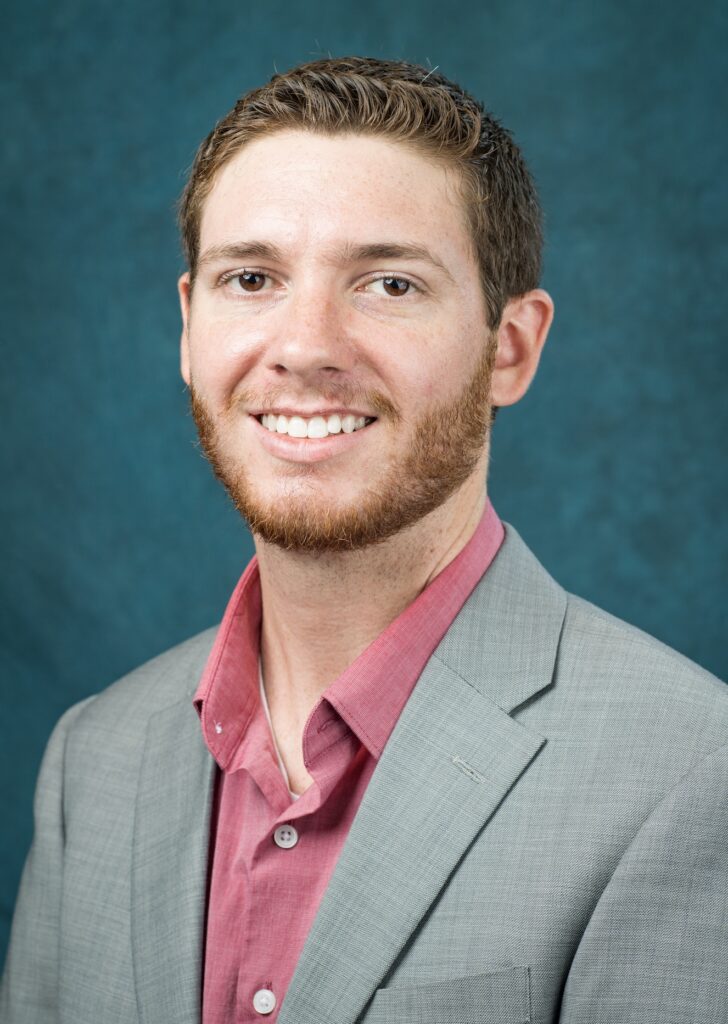
Scott Kelly is director of the Rist Institute in the Department of Daveler & Kauanui School of Entrepreneurship at Florida Gulf Coast University. -COURTESY PHOTO
FGCU’s entrepreneur program is split into an academic side with coursework and a “co-curricular” side with a runway program to turn ideas into businesses. The latter program is run by Scott Kelly, director of the Rist Institute in the Department of Daveler & Kauanui School of Entrepreneurship (fgcu.edu/school-of-entrepreneurship). FGCU has one of only four independent schools of entrepreneurship in the country.
During a semester of the runway program, students bring a “testable idea” to develop.
“By the end of the launch phase, they’ve got a business set up,” Kelly said. “Then, going into our growth part of the program, they’re generating revenue. So by the time they’re even pitching for equity-free funding at the end of our runway program, they’re making money.”
Each year, between 60 and 80 students start a business.
Program graduates have launched ventures ranging from cat cafés and barbecue food trucks to rocket manufacturing and recycled pickleball products.
The university’s goal isn’t just to train the next generation of business owners, but to spread those skills to students across other disciplines.
“It really does answer that call of needing those soft skills that employers are really asking for,” Kelly said, referring to qualities like empathy, problem-solving and analysis. They also learn how to accept rejection and push through obstacles.
“It gives them a practical approach to working in any kind of new venture,” Kelly said. “They understand how to bootstrap and they understand how to understand people.”
Learning to pivot
Avery Armand, 22, a senior entrepreneurship major at FGCU, has two businesses: Crust and Co., a custom sourdough baking business she started two years ago, and DialiSense, an app for dialysis patients and caregivers.
Armand runs Crust and Co. from home, handling nearly every part of the business herself. Customers can use her website (crustnco.online) to customize loaves and place orders.
DialiSense (dialisense.com) grew from a personal experience. Her boyfriend dealt with kidney disease and underwent a transplant two years ago.
“Prior to that, we struggled with finding information about different types of treatments, different resources he could use,” she said.
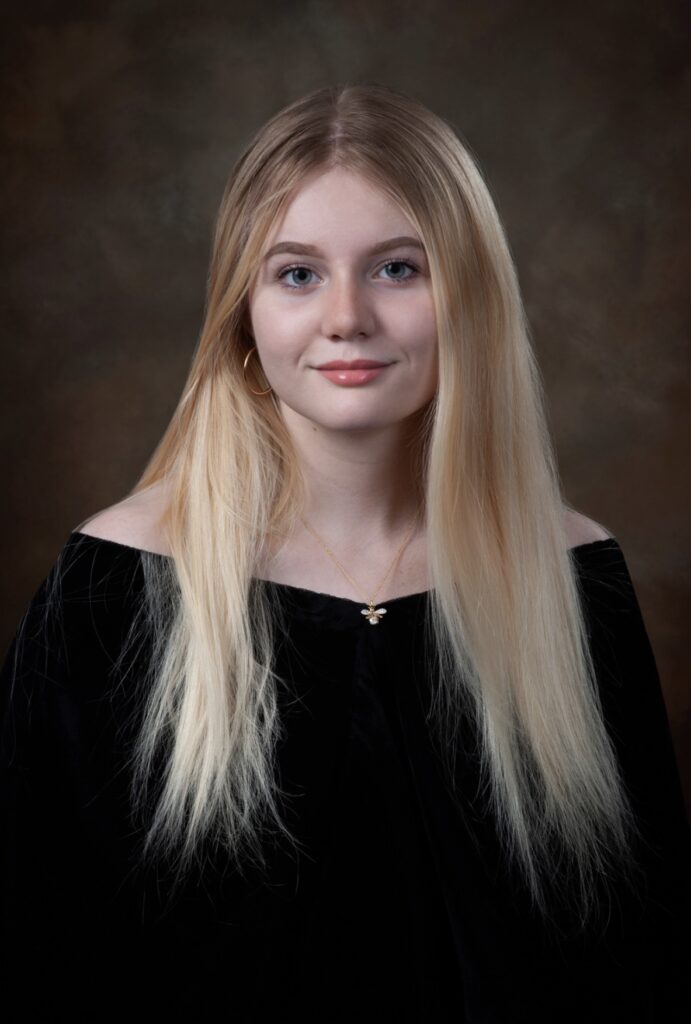
Avery Armand, a senior at Florida Gulf Coast University, has created two businesses. -COURTESY PHOTO
The app allows patients to track symptoms, identify patterns and find resources. Armand is also working on an AI chatbot to answer questions that might otherwise burden staff at transplant centers. Her goal is eventually to partner with transplant centers across the country.
Armand said she has always been entrepreneurial. Because her parents were diplomats, she moved frequently while growing up and found “side hustles” to make money, selling candy or toys wherever she lived.
“I pivoted just based off of life experience and learning what people wanted based off of struggles that I was personally facing in my life.”
That ability to pivot has become one of her biggest lessons at FGCU, where she is president of the university’s Collegiate Entrepreneurs’ Organization club. She credits the entrepreneurship program with teaching her how to build a website, acquire customers and, most importantly, figure out what people actually want.
“You have to be able to pivot early on,” she said.
Her original DialiSense idea focused on treating fistulas, a common condition among dialysis patients. But early feedback showed that wasn’t what patients wanted. FGCU’s emphasis on testing concepts helped her change direction.
“Being pushed to get that early feedback to pivot early was really helpful for me.”
Armand said FGCU’s entrepreneurship community is supportive, though competition intensifies when students pitch for funding.
She recently attended the Florida Venture Forum in Miami Beach to network and pursue funding opportunities.
Her advice to other young entrepreneurs: “Stay motivated. As hard as it may be, stay on that track, keep doing what you’re doing, and put that work in.”
After college
Eric Perez, 30, co-owns Coastal Energy (coastalenergy.io) in Fort Myers and Naples with his wife, Crystal, a disabled Army veteran. He installed his first solar panel in 2019 and ramped up the business in January 2024 after previously running a digital services company.
The company installs Tesla solar roofs, Powerwall batteries and electric vehicle chargers from Key West to Jacksonville. It has since become Florida’s largest Tesla Powerwall installer and handles Tesla warranty repairs statewide.
Perez’s Fort Myers office is across the street from FGCU’s Emergent Technologies Institute, where he studied entrepreneurship and graduated in 2018.
Perez said mentorship was his biggest takeaway from FGCU.
“Being around people that were a lot smarter than us, that had no expectations” was invaluable, he said. “They weren’t being paid to be there, they had no reason other than just to give back.”
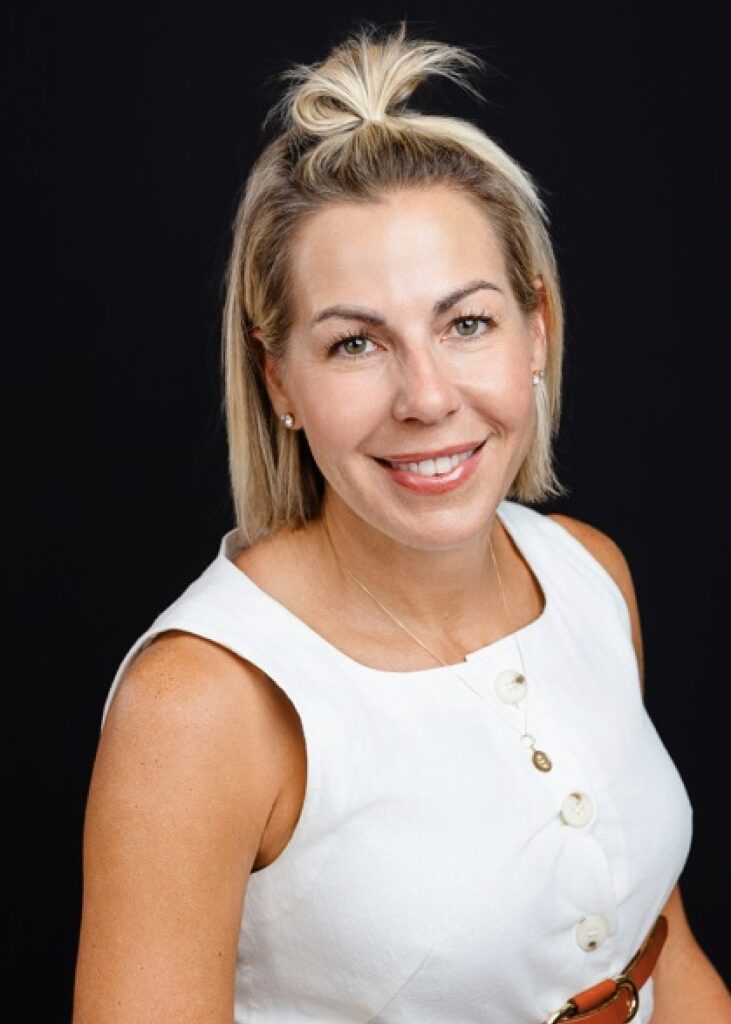
Casey Kennedy is the founder and CEO of Bloom Academy preschool, which is soon to have seven locations in Southwest Florida. -COURTESY PHOTO
Perez said entrepreneurs should focus less on whether an idea seems good and more on whether customers actually want it. He also advises young entrepreneurs to keep their long-term goals in sight.
“When you put money first, that doesn’t always translate to success,” he said. “Money is a byproduct of success. I didn’t go into business to think about the money. I was thinking about the impact.”
For Perez, that impact centered on a simple question: “Why don’t all homes have solar panels?”
Coastal Energy now has 20 employees, and Perez says the company is “one of the top installers in the country” of Tesla solar roofs, Powerwalls and electric vehicle chargers.
A new generation
At both FAU and FGCU, entrepreneurs are adapting to the speed of technology.
Cox said the emergence of AI has allowed students to move faster with their ideas, to pivot and make changes based on feedback, and to test products faster.
But with AI creating an uncertain job market, more students are seeing entrepreneurship as a “resilient option for long-term education” and gaining employable skills, rather than a fast way to make money, according to Kelly.
“Because of the critical-thinking skills they develop by trying to start their own business, they become very valuable to local companies, especially in the startup world,” he said.
Kelly is noticing another trend.
“I see our entrepreneurs getting younger and younger,” he said.
FGCU teams with the Immokalee Foundation each year for an entrepreneurial summer camp for rising ninth- and 10th-graders. At the beginning of each monthlong session, Kelly gives each student a $5 bill and challenges them to make money with it. By the end, some of them walk away with as much as $600.
“It’s really cool to see their expressions when they start to understand they can make money for themselves,” he said. “I’m more and more excited to see the kinds of things that they’re coming up with because they are the future and they’re taking it seriously.”
Still getting started
What does the future hold for Anik Sahai?
He sees himself building more companies. And he’d like to continue working with humanoid robotics.
“In the future, I see myself making some sort of transformative technology that genuinely helps people,” he said.
To that end, he’s already created with a friend a nonprofit called Ethics Lab (ethicslab.ai) to teach children about AI and its responsible use.
Given the rapid pace of technology, young entrepreneurs often are under pressure to produce results while they’re barely old enough to vote.
“A lot of people have this notion that you’re behind if you’re not doing it when you’re 12, and you’re past your prime if you’re 18,” Sahai said. “We have our whole lives ahead of us, and that doesn’t mean that we should immediately found.”
His ambitions leave him little time for a social life, however.
“Every moment that I’m not doing research or being a full-time student, I’m doing my business,” he said. “It is a give and take.”