
TAMPA, Fla. — With home prices and borrowing costs keeping homeownership out of reach for some Tampa Bay residents, an old path to buying a home is getting another look: rent-to-own.
Rent-to-own arrangements typically allow someone to rent a property for a set period while retaining an option — or, depending on the agreement, an obligation — to purchase the home later.
The arrangements can offer prospective buyers more time to prepare financially for homeownership. But housing professionals say the details matter, including how the future purchase price is determined, whether part of the rent is credited toward the purchase and what happens to upfront fees if the renter ultimately cannot buy the home.
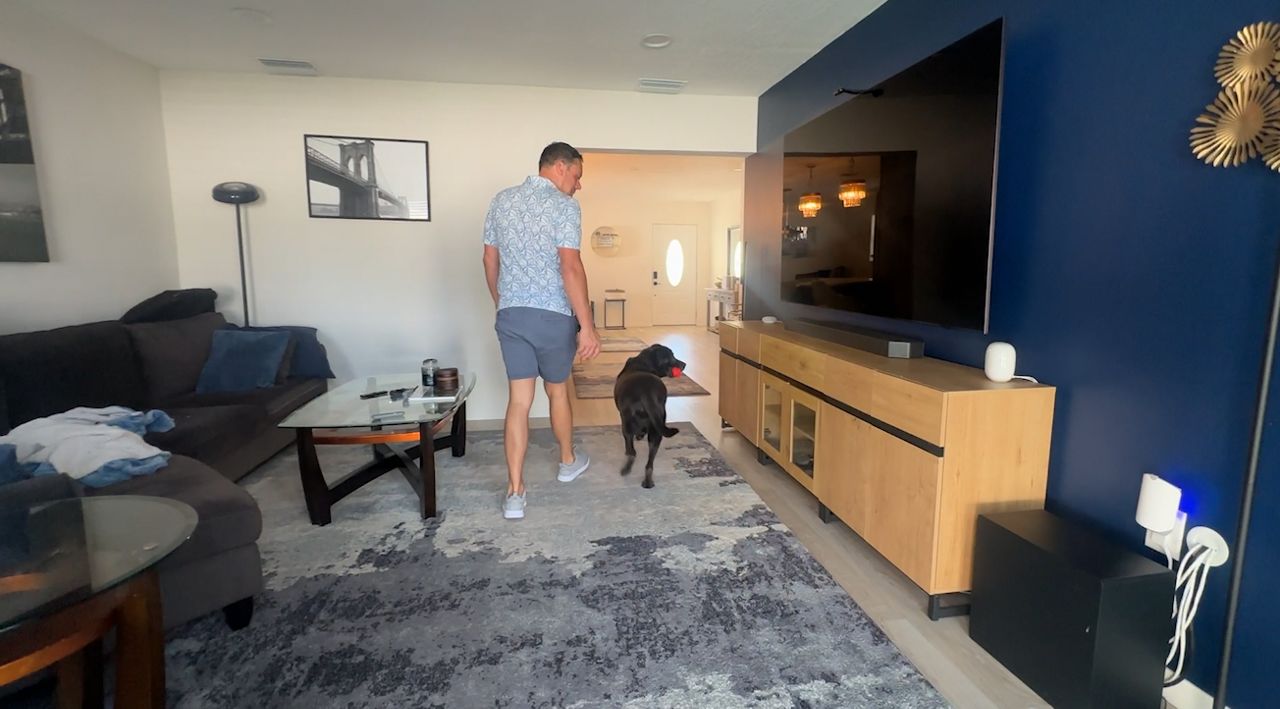
For Shore Acres renter Brian Welch, flexibility is one of the biggest benefits of renting.
“In my particular situation, I travel for work a lot,” Welch said. “And so, you know, could be asked to move, could continue to travel for a while. And so again, just having that flexibility.”
Tampa Bay’s rent vs. buy gap
New 2026 data shows why some Tampa Bay residents may be hesitant to make the jump from renting to traditional homeownership.
According to Realtor.com’s July 2026 rental report, the median asking rent for a starter home in the Tampa-St. Petersburg-Clearwater metro was $1,635 a month.
The estimated monthly cost of buying was $1,994 — a difference of $359.
While renting remained cheaper on a monthly basis, the gap between renting and buying in Tampa Bay has been narrowing. Realtor.com identified Tampa Bay as one of seven major metropolitan areas where market conditions were shifting more favorably toward buyers.
Those conditions can create opportunities for arrangements that fall somewhere between a traditional rental and an immediate home purchase.
Potential benefits for renters and investors
Realtor and investor Andy Mejia said rent-to-own options can give tenants additional time before purchasing while offering investors a longer-term strategy for selling a property.
“And then for an investor, this could be what is seen as a slow flip, right?” Mejia said. “We know that if you sell a home, you buy and you sell the same year, you get full capital gains attached to that sale. If you wait for more than a year now, you’ve got long-term capital gains, which is less money calculated against the investor from a tax perspective.”
The specific tax treatment of a real estate transaction depends on the circumstances of the sale and the taxpayer.
Rent-to-own agreements can carry risks
The concept may sound straightforward: Rent the home today with the goal of owning it tomorrow.
But the path between the two can be complicated.
Rent-to-own is an umbrella term that can encompass different types of agreements. A lease-option agreement generally gives a tenant the right to purchase the property, while a lease-purchase agreement can obligate the tenant to complete the purchase.
Prospective buyers need to understand how the purchase price will be calculated, what fees they are paying, whether any portion of their monthly rent will count toward the eventual purchase and what happens if they cannot secure a mortgage when the purchase comes due.
Mejia said renters also need to understand how the home’s future price is determined.
“Here’s a potential con of rent-to-own: Sometimes landlords could take advantage of people who don’t know the market and will say they’ll increase the value of the home by like 5%,” Mejia said.
If the agreed-upon purchase price rises faster than the home’s actual market value, Mejia said, the buyer could ultimately need to bring more financing to the table.
Filling a gap in the housing market
Florida Housing Coalition CEO Ashon Nesbitt said economic conditions are helping renew interest in the concept.
“I think it’s definitely resurging because of the economy we’re in,” Nesbitt said. “I think, you know, from a rent-to-own perspective it is, you know, a commitment on both sides.”
For Mejia, that relationship can go beyond the financial transaction when the arrangement is structured responsibly.
“I feel like as a landlord, a responsible landlord, when you really care about family, community and seeing people advance, wanting to see people advance, I think there’s something about helping your tenant realize their dreams,” Mejia said.
For renters like Welch, however, the immediate priority can simply be maintaining flexibility over where and how they live.
For those who view rent-to-own as a bridge to homeownership, housing professionals recommend carefully reviewing the agreement before signing it and considering having a real estate attorney examine the contract.
The key is determining whether the numbers — and the fine print — provide a realistic path from renter to homeowner.