
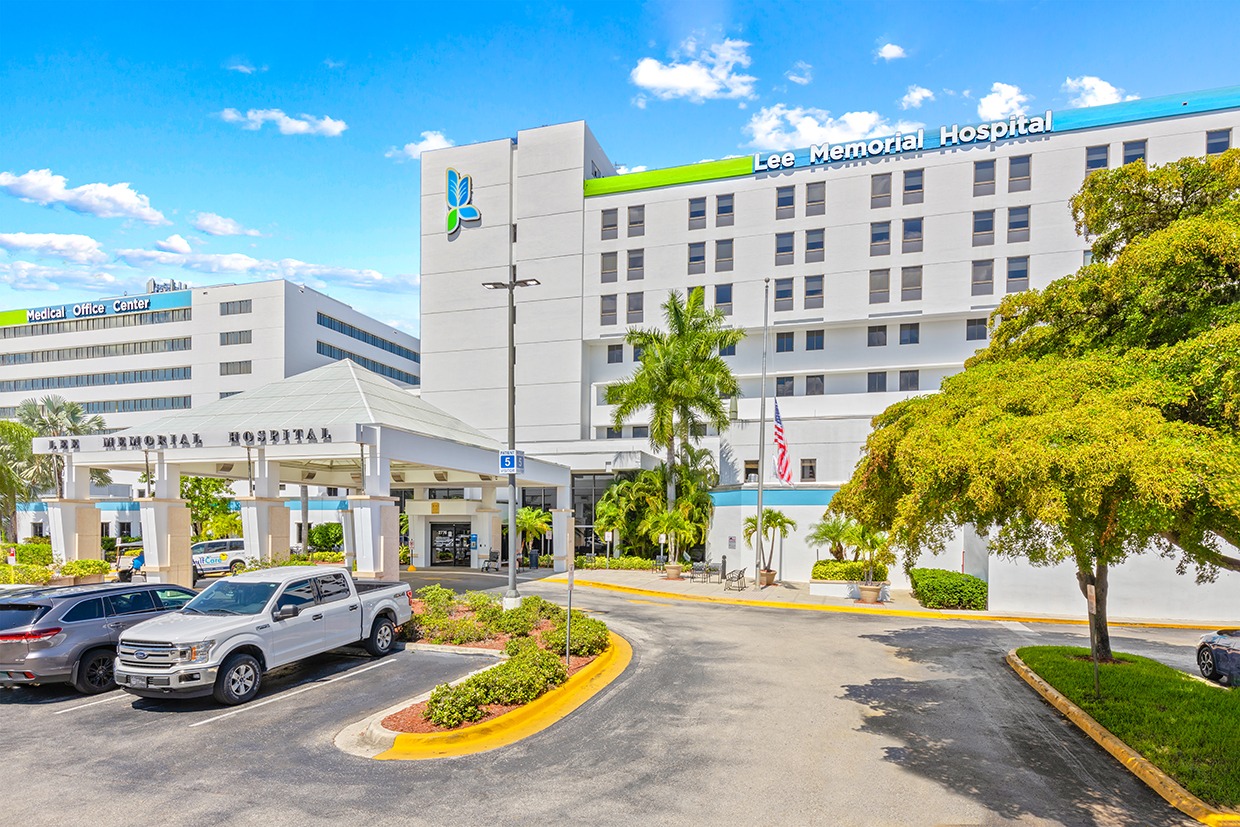
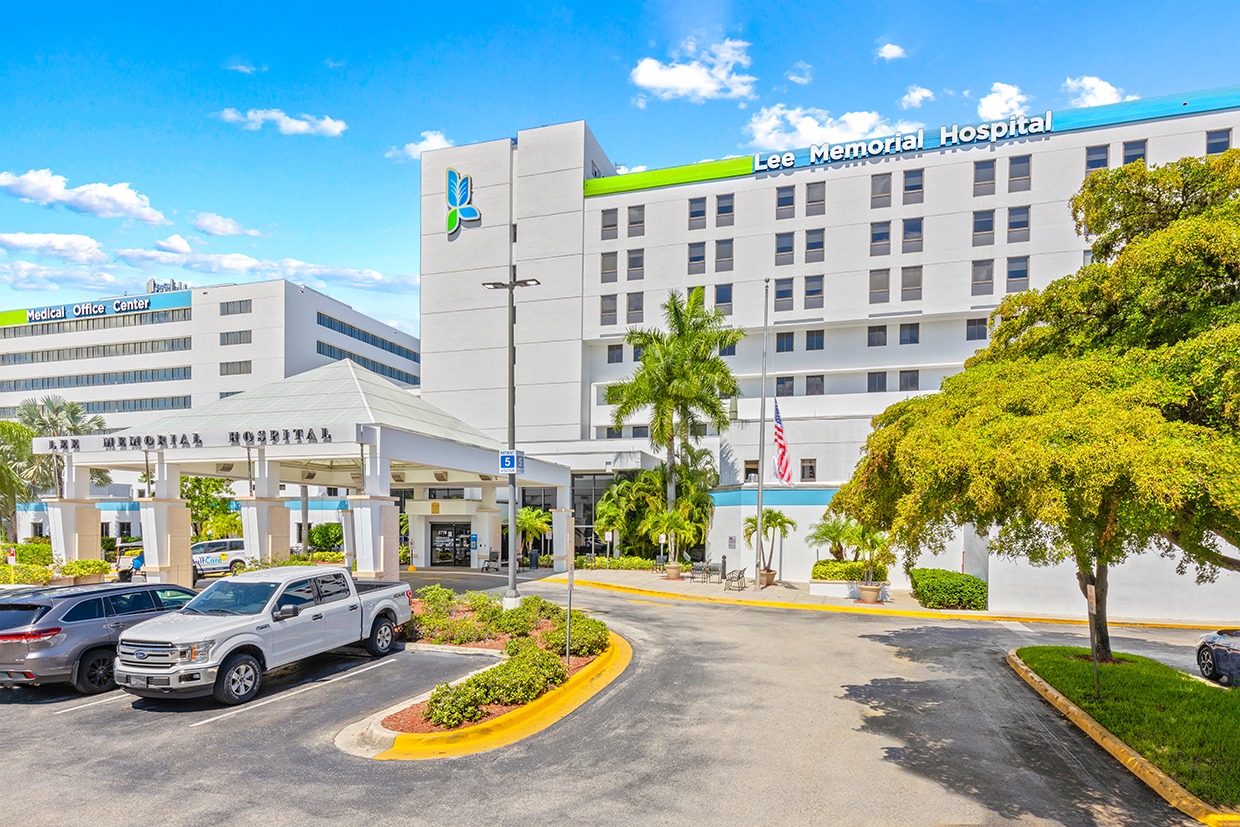
Lee Health-Lee Memorial Hospital. -FLORIDA WEEKLY / FILE PHOTO
At Lee Health, we are committed to improving the health of our patients and community. We do this not only by providing exceptional care when people need it, but also by raising awareness of serious health conditions and sharing information that can help people protect themselves and their loved ones.
During Sepsis Awareness Month, I want to highlight this serious condition because early recognition and urgent treatment can save lives.
Sepsis is the body’s extreme, life-threatening response to infection. It is a leading cause of death in U.S. hospitals and is also among the most expensive conditions to treat, costing an estimated $62 billion annually, according to the Sepsis Alliance. Early identification and treatment are critical, as the risk of death rises 4% to 9% for every hour treatment is delayed.
Leveraging expertise and technology
At Lee Health, we have strengthened our approach to sepsis care through collaboration among our Quality and Safety team, Information Systems and Medical Informatics teams, and the physicians, nurses and clinicians who care for our patients every day and night.
Together, these teams have developed clinical decision-support tools, including care pathways and customized sepsis order sets, to help clinicians identify and treat sepsis quickly and consistently. Decision-support tools within Lee Health’s electronic health record help identify patients who may be at risk for sepsis and prompt timely clinical evaluation.
This combination of clinical expertise, evidence-based practices, and technology enables earlier intervention and supports faster, more informed treatment decisions.
Our sepsis program also focuses on ensuring that our processes and protocols reflect the latest evidence and best practices. Through ongoing education and communication, we help care teams stay informed about current guidelines, risk factors, signs and symptoms, and treatment approaches.
These efforts are making a difference.
“Through collaboration across our clinical, quality, safety and informatics teams, Lee Health has seen a meaningful reduction in sepsis mortality. Our internal data also show that the use of our standardized sepsis order sets is associated with shorter hospital stays,” said Scott Liebal, BSN, RN, CCRN, senior application analyst, Medical Informatics. “Behind every measure is a patient and a family. These results reflect the dedication of teams across Lee Health and reinforce the importance of recognizing sepsis early and providing timely, consistent care.”
Know the risks and recognize the signs
While the work happening inside our hospitals is important, awareness outside the hospital is equally critical.
An existing infection can trigger sepsis. Infections that begin in the lungs, gastrointestinal tract, urinary tract, or skin can lead to sepsis. Treating infections quickly and appropriately may help prevent them from progressing.
Anyone can develop sepsis, but some people are at greater risk, including:
Adults age 65 and older
People with weakened immune systems
People living with chronic conditions, such as lung disease, cancer, kidney disease, or diabetes
People who have recently been hospitalized or experienced a severe illness
People who have recently had surgery
People who are pregnant or postpartum
People who have previously had sepsis
Children younger than 1 year old
Signs and symptoms can include:
Fever
Shivering or feeling very cold
Clammy skin
Shortness of breath
High heart rate or weak pulse
Confusion or disorientation
Extreme pain or discomfort
If you or a loved one has an infection that is worsening and experiences one or more of these signs or symptoms, seek medical attention immediately. Don’t hesitate to ask the healthcare team: “Could it be sepsis?”
At Lee Health, we are committed to continuing to advance sepsis care through innovation, collaboration, and a relentless focus on improving outcomes. But awareness is one of the most important tools we all have.
Know the risks. Recognize the signs and symptoms. If you suspect sepsis, act fast and seek medical care immediately.