
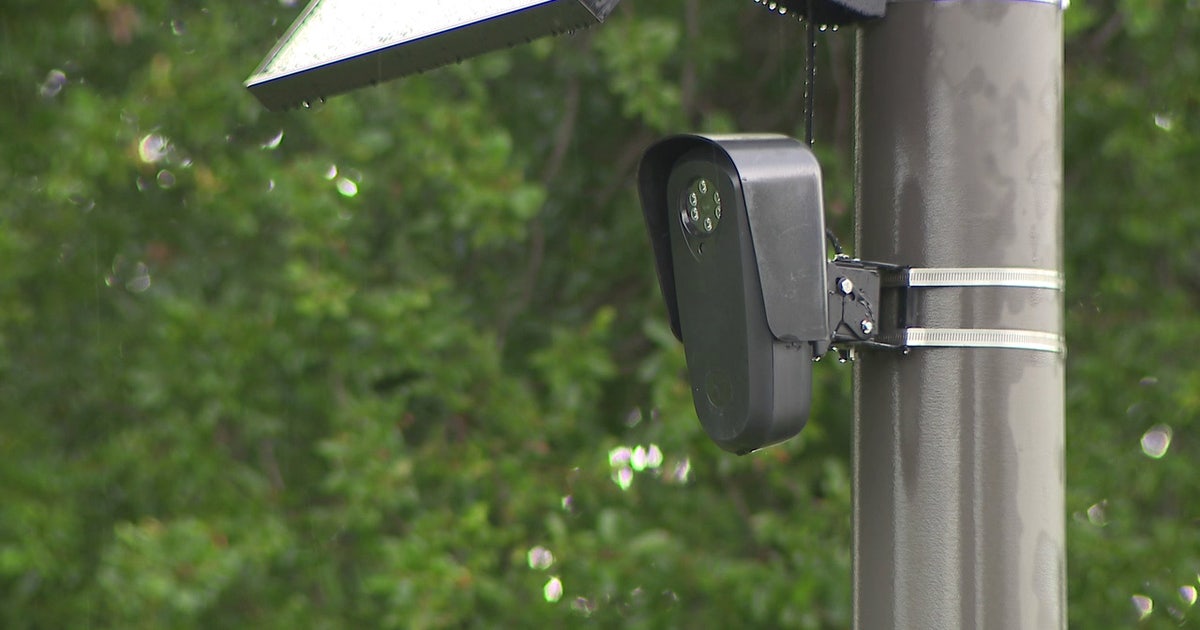
 Pinellas County sheriff defends Flock cameras
Local law enforcement agencies are defending automated license plate readers. Earlier this week, FDOT ordered the cameras on all state highway rights of way to be taken down within 30 days. FOX 13’s Kylie Jones reports.
LARGO, Fla. – Some law enforcement leaders across Tampa Bay are defending automated license plate readers after state officials ordered them to be removed from all state highway rights of way.
The order from the Florida Department of Transportation came down earlier this week, requiring all automated license plater readers, or ALPRs, on state roads to be taken down within 30 days.
Agencies respond to FDOT order
What we know:
Pinellas County Sheriff Gualtieri said ALPRs, like Flock cameras and other similar cameras, have played a major role in finding missing children and human trafficking victims, identifying vehicles tied to violent crimes like armed robberies and locating stolen vehicles.
He says the technology has heavily contributed to reducing crime in Pinellas County by more than 64% over the last 10 years.
The Sheriff acknowledged privacy concerns, but disputed recent claims about what these cameras can and cannot do.
 Pinellas Sheriff Bob Gualtieri on agency’s use of APLR’s
Pinellas County Sheriff Bob Gualtieri detailed his agency’s use of automated license plate readers, including Flock cameras. He also said that the department would comply with FDOT’s order to remove the APLR’s from state roads and highways.
“ALPR is motion activated, and there is no continuous photographing or recording,” Gualtieri said. “Again, it’s not video. ALPR cameras are asleep, unless a car passes by and it’s motion activated. There’s no continuous photographing, not continuous recording, no continuous surveillance.”
Gualtieri says ALPRs take a picture of the back of a car and its license plate, and note the location and time the car passes by.
He says he supports audits and close monitoring of these systems to ensure they are being used properly. Gualtieri said he didn’t recall an issue of misuse of the database within his office.
What they’re saying:
Gualtieri gave an example of how these cameras helped solve a murder in June.
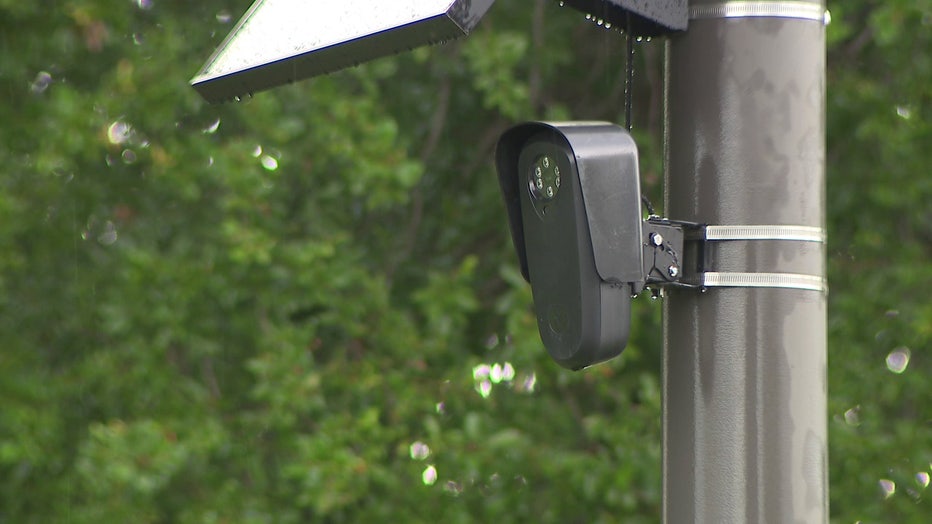
“We didn’t have any suspects,” he said. “We had information that the killer left the scene on a motorcycle. By checking the ALPR system in the area around the time of the murder, we were able to identify a tag on a possible suspect motorcycle. By running the tag in the State Department of Highway and Safety Motor Vehicle system, in that database, we determined the registered owner of the tag captured on the ALPR was an associate of the murder victim, and through subsequent investigation, established probable cause to arrest the suspect for first degree murder.”
Other agencies have also defended the use of these cameras in recent cases, including the St. Pete Police Department, which used flock cameras to help find a missing 99-year-old man this week.
Debate grows over privacy
The other side:
Following the state’s mandate, Pinellas County Commissioner Vince Nowicki proposed a resolution, requesting that the county end agreements with the companies of these ALPRs and remove cameras from county rights of way.
“Public safety and personal liberty aren’t mutually exclusive,” Nowicki said in a statement on social media.
Gualtieri addressed these comments on Wednesday, saying that he spoke with Nowicki and intends to address the county commission during an upcoming public work session.
Departments split on camera usage
What’s next:
A number of other local law enforcement agencies have issued statements on the use of these cameras.
On Tuesday, the Tampa Police Department announced it will remove 17 cameras located on state highways, while maintaining its license plate readers on city streets and monitoring their use.
On Wednesday, the St. Petersburg Police Department said it will remove six cameras that are on state roadways, but keep its 44 cameras on city streets.
Before the FDOT’s memo, the Pasco County Sheriff’s Office announced it’s ending its license plate reader contract due to rising public privacy concerns, but the Sheriff warned residents that it will make solving crimes harder.
Manatee County commissioners also banned the cameras from county parks and facilities.
The Source: The information in this story was gathered from a press conference with Pinellas County Sheriff Bob Gualtieri, an order from the FDOT and official statements made by local law enforcement agencies.