
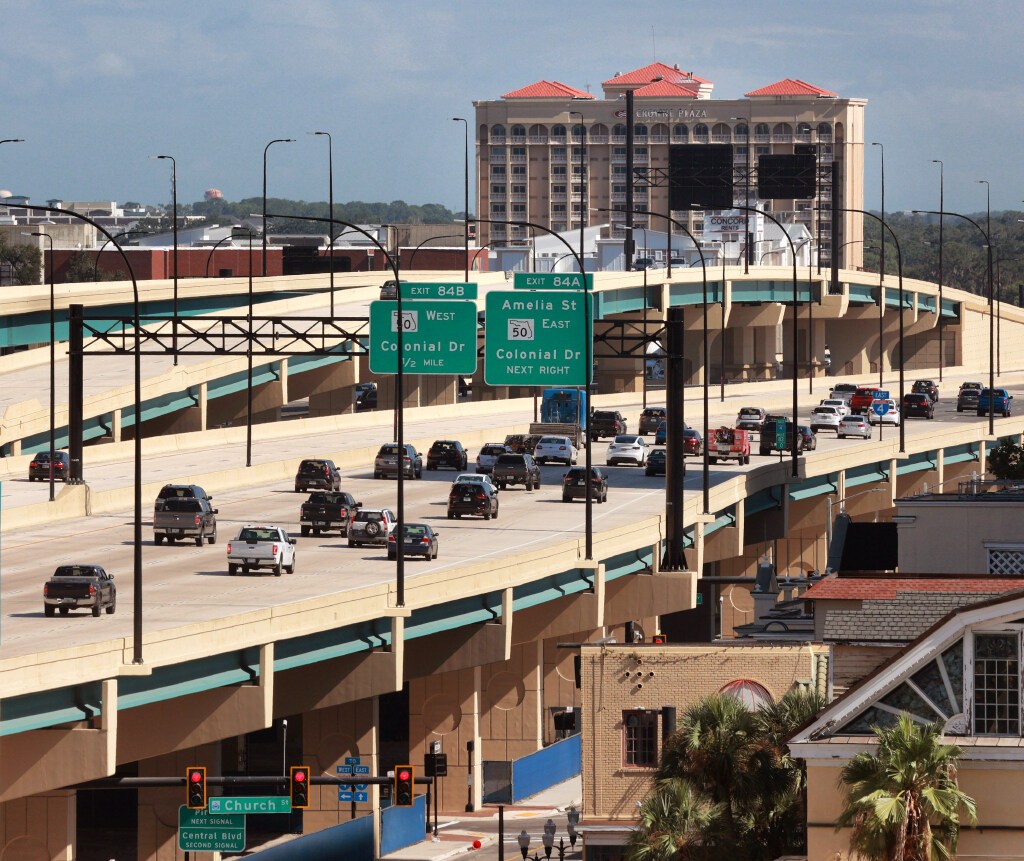
By any measure, Orlando is booming. More people are moving here, more businesses are investing here, and more families are trying to build their futures in Central Florida. But there is one problem we cannot pave our way out of: traffic.
Anyone who drives on I-4, Colonial Drive, Orange Blossom Trail or one of Orlando’s other major corridors knows the frustration. Hours are lost behind the wheel every week. Workers arrive home later. Families have less time together. Businesses struggle when employees cannot reliably get to work. Traffic here is the literal definition of pure hell on wheels.
We should stop treating this as inevitable.
The STAR Plan offers Orlando and Orange County a chance to make a serious commitment to modern, reliable public transportation. Its vision of frequent service along major corridors — using Bus Rapid Transit, light rail, and heavy rail — would give Central Floridians something our region desperately needs: options.
The cost of doing nothing is not just measured in minutes spent in traffic. It is measured in opportunities lost. When transportation is unreliable, people can be forced to turn down jobs, miss classes, spend more money on gas and car repairs, or limit where they can live and work. For families already struggling with the high cost of living, owning and maintaining a car is not a small expense. A reliable transit system can give people greater freedom to choose where they work, study and live without making car ownership a requirement for participating fully in our community.
And Orlando’s growth makes this decision more urgent, not less. The Central Florida of tomorrow will not be the Central Florida we know today, and our transportation infrastructure needs to reflect that reality. We cannot build our way out of congestion forever by adding more lanes while continuing to grow. The STAR Plan gives us an opportunity to think beyond the next traffic jam and invest in a region where buses and trains are frequent, reliable and connected. Building that system now means giving future generations something better than the traffic we have accepted for too long.
Supporting the STAR Plan does not mean declaring war on the automobile. Cars will remain essential for millions of Floridians. But a growing metropolitan region should not force every person to drive everywhere. A successful transportation system gives residents choices.
 Imagine a student who can reach school without depending on a parent for a ride. Imagine a service worker who can get to a job on time without owning a car. Imagine a commuter who can choose a fast train or bus instead of sitting in traffic. Those are not abstract benefits. They are real improvements in people’s daily lives.
Better transit can also strengthen our economy. Reliable transportation connects workers to employers, makes commercial districts more accessible, and can encourage responsible development around transit corridors. It can help Orlando compete with other major American cities that have recognized a simple truth: economic growth requires transportation infrastructure capable of supporting it.
The STAR Plan is not a promise that everything will change overnight. It is a commitment to build toward something better.
Orlando has a choice. We can continue widening roads and watching congestion return, or we can invest in a transportation system designed for the region we are becoming.
The traffic will not solve itself.
It is time to stop planning for yesterday and start building for tomorrow.
Orlando has a unique opportunity to fix traffic; therefore, the Orange County Commission should vote “yes” on the STAR Plan on Sept. 29.
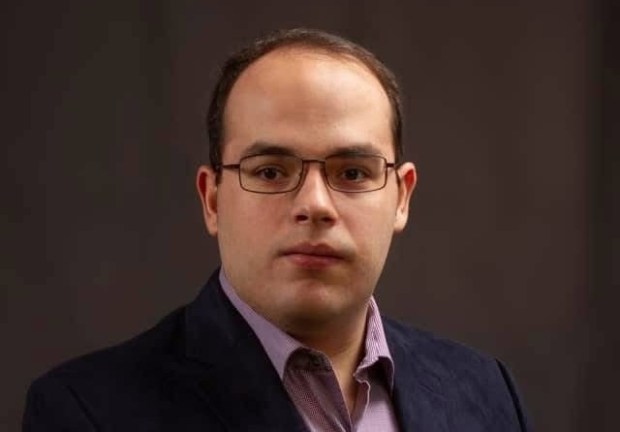
Santiago Benavides-Molina of Orange County is a volunteer for the Sunrise Movement Orlando, a youth-led organization fighting to deliver the STAR Plan for fast, affordable, and safe transportation for all.